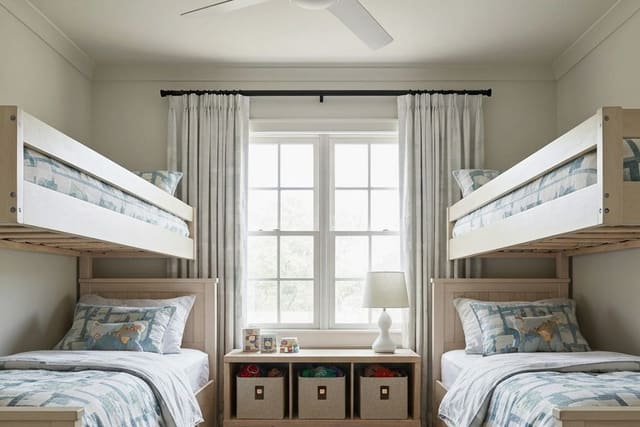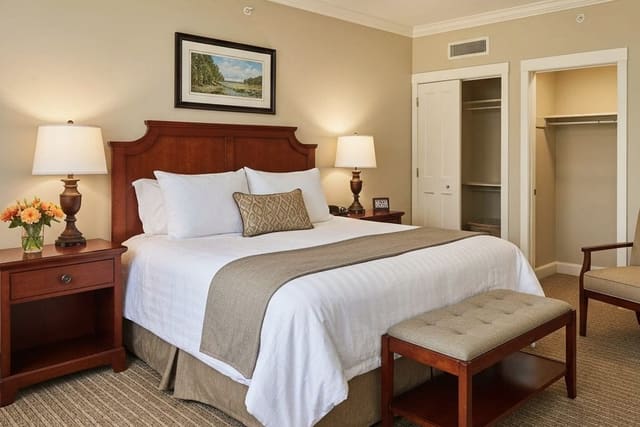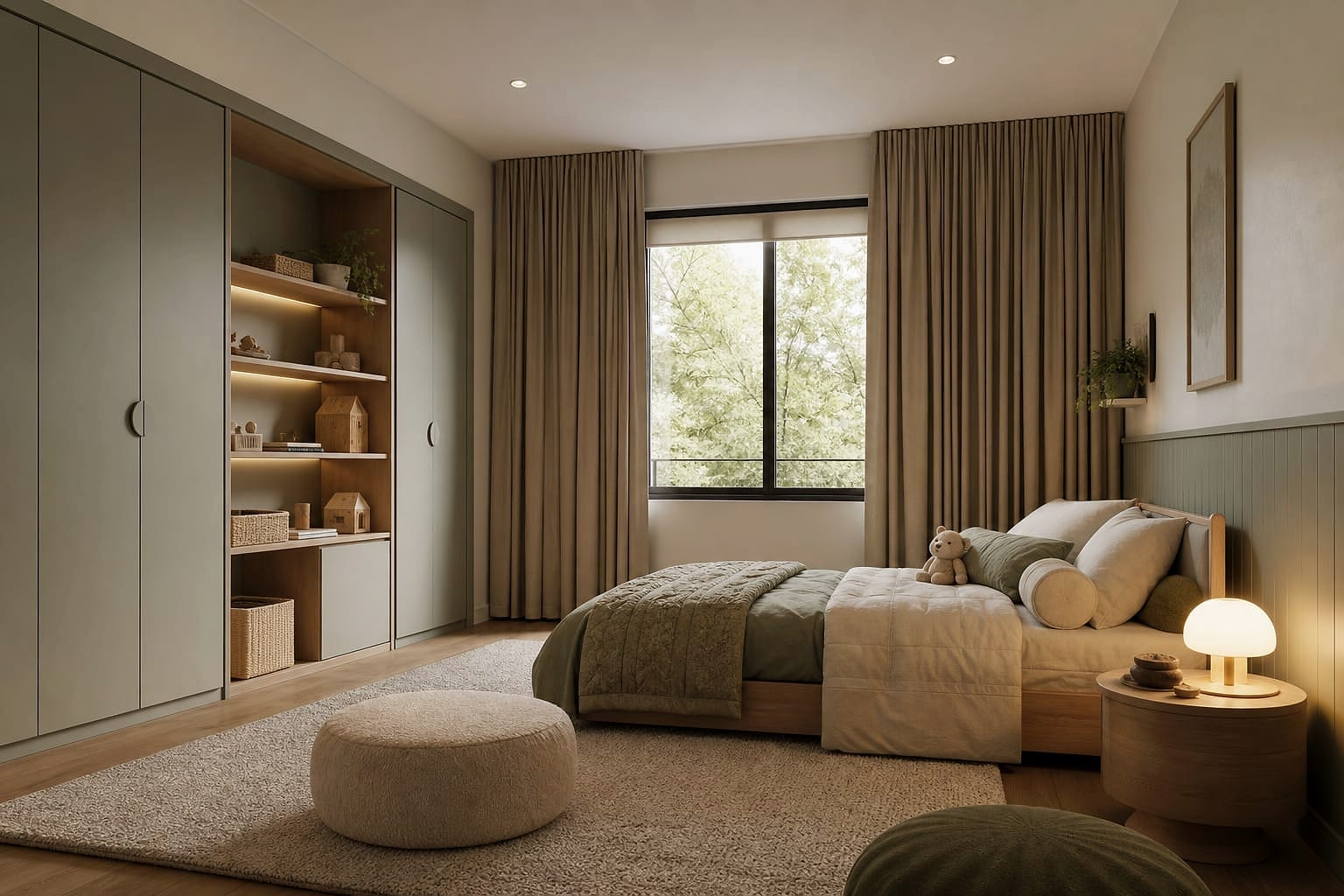
AI teen bedroom design turns one uploaded photo into previews of desk-versus-vanity placement, bed scale, closet upgrades, and wall color, so you can judge a layout before buying furniture. Don't start with a bedding set — the bed, desk, lighting, and storage have to work first, or the room will feel expensive and still cramped.
What does AI produce for teen bedroom design ideas?
AI turns a room photo into concepts for bed placement, color, lighting, storage, study space, and style. A good preview shows whether the room needs a calmer palette, a bigger desk, a lower bed, closed storage, or a stronger reading corner before anyone argues in a furniture aisle.
The strongest results keep real constraints visible: closet doors, window height, radiator, sloped ceiling, outlets, and door swing. If the image erases the closet or turns a 9x10 room into a lounge, keep the mood and reject the layout.
Shoot one photo from the doorway and one from the deepest corner, showing the floor, ceiling line, bed wall, window, closet, and desk. A specific prompt works best: keep the oak floor, white trim, closet door, window, and twin bed; redesign for a 15-year-old with a study desk, closed clothing storage, warm lighting, a calmer wall color, and space for friends to sit. If the furniture is still kid-scaled, compare results against AI kids bedroom design ideas for growing rooms.
The decision that turns a kid room into a teen room
The bed wall usually decides whether a room reads younger or older. A twin mattress is about 38x75 inches, a full about 54x75 inches — that 16-inch jump can make the room feel grown or steal the floor. Keep at least 24 inches of walking space on the main side of the bed, closer to 30 if the teen needs to reach a nightstand in the dark.
A full bed isn't automatically the mature choice. In a small room, a twin with a better headboard, layered bedding, and stronger lighting can look more considered than a full bed jammed against the wall. AI is useful here because it reveals whether extra mattress width adds comfort or just deletes the hangout zone.
The desk deserves the same scrutiny. A laptop-only student can manage 40-42 inches, but a monitor, textbooks, or a keyboard usually needs 48-60 inches. Standard desk height runs 28-30 inches; if chair arms can't tuck under, the room will always feel jammed. Place the desk where glare is manageable, not just under the prettiest window.
Lighting is where teen rooms still feel childish. One ceiling fixture and novelty string lights can't support homework, reading, and winding down. Use warm bulbs (2700K-3000K) for general light, then add task light at the desk and a shaded bedside lamp so the bed feels like a rest zone instead of pillows under overhead glare.
Test this on your own room photo with Re-Design before choosing a final layout — keep the room structure, daylight, and main path visible.
What changes in a believable teen bedroom before and after?
A believable before-and-after fixes hierarchy first. The before often has the bed, dresser, desk, hamper, and hobby gear all shouting equally; the after gives the room one anchor wall, one work zone, one storage strategy, and open floor space.
Color should make belongings look intentional, not louder. Muted blue, mushroom, olive, clay, warm white, deep green, dusty rose, or oatmeal all work depending on floor and furniture — calmer walls if bedding is patterned, simpler rug and curtains if walls carry the personality.
Storage has to match what the teen owns. Open shelves suit books, plants, and trophies; clothes, cables, and skincare need drawers or bins. A 30-36 inch dresser can work in a compact room only if drawers clear the bed frame; shelves 10-12 inches deep hold books without protruding like kitchen cabinets.
Seating only helps if it doesn't block circulation. A 24-inch pouf or storage ottoman gives friends somewhere to land; a lounge chair blocking the closet becomes a clothing pile within a week. For rooms that occasionally host guests, borrow the practical lens from AI guest room design for spare bedrooms: a reachable light and a clear path matter more than décor.
Common teen bedroom AI mistakes
- Aging the room up too far. A hotel-style bedroom with glass lamps and delicate tables looks polished but won't survive backpacks, snacks, and friends — keep one durable surface and one closed storage zone.
- Choosing a bigger bed without checking the drawers. A full or queen can look impressive on screen, but a dresser that opens only 6 inches isn't a functional trade. Measure the bed frame, dresser pullout, and closet swing first.
- Asking for a style label instead of a life brief. "Modern teen room" is generic. "Teen bedroom for studying, guitar practice, skincare storage, two friends on the floor, warm lighting, green palette" gives the tool a room to solve.
- Ignoring the transition from childhood furniture. Low cubbies and pastel bins can keep a room visually young. Use AI nursery design planning in reverse: keep what still works, replace babyish scale with adult-height storage.
- Trusting AI shelves over the bed. Generated rooms love picture ledges above pillows because they photograph well, but heavier storage belongs on another wall, especially with a pet or device charging near the headboard.
Use AI to preview the teen room before anyone commits
Use AI as a family decision tool, not the final authority. Start with one honest photo and several distinct directions — calm academic, music-focused, sporty, vintage, soft minimal, gaming-friendly, colorful creative — and let the teen react to the whole room, not just wall color.
In round two, keep the layout that works and vary purchases: twin versus full bed, 42-inch versus 60-inch desk, wall shelves versus closed cabinet, one large rug versus a smaller bedside rug. If every full-bed version feels cramped, the room is telling you maturity needs to come from styling, not mattress size.
Renters should favor removable moves: plug-in sconces, washable rugs, freestanding dressers, tension shades, and removable wallpaper. Owners can test built-in desks, closet conversions, or hardwired sconces, but let the AI image lead to real measurements before permanent work starts.
The winning concept isn't the coolest screenshot — it's the version where the teen can sleep, study, dress, charge devices, store the mess, invite a friend in, and still feel ownership of the room. For the broader upload workflow, use the AI design complete guide as the parent checklist, then return here for room-specific scale and lighting choices.
Frequently Asked Questions
Can AI design a teen bedroom from one photo?
Yes. Upload a doorway photo showing the bed wall, window, and closet, and AI can preview desk placement, headboard styles, wall color, and storage while preserving the window and closet doors. Treat it as a scale and circulation test, not a shopping command — keep ceiling line, daylight, and fixed storage visible in the photo.
Should a teen bedroom have a desk?
Yes, if homework happens in the room. A 36-48 inch desk with a good chair and task lamp beats a folding table or a desk facing an awkward wall. Skip it only if a household work zone already exists elsewhere; check door swing, chair pullout, and walkway width before committing.
Full or queen bed in a teen bedroom?
Use a full bed under roughly 120 square feet or when the desk needs a wall; consider queen only at 130+ square feet for a taller teen, since queen beds eat floor space fast. Run a conservative and a bolder version, then pick whichever still works with existing windows, trim, and furniture you plan to keep.
How do I let a teen express identity without permanent changes?
Removable peel-and-stick wallpaper on one accent wall, a pinboard for posters, swappable bedding, and one expressive light fixture cover personality without committing to anything that ages out in 18 months. Use the AI image to narrow measurements and priorities before ordering anything custom.
What lighting works best in a teen bedroom?
Use three layers: warm 2700K ambient light for sleep, a 4000K task lamp at the desk, and a dimmable bedside reading light. LED strips behind the headboard or under the desk are one trend most teens get right, adding usable light without another overhead fixture.
Ready to see this on your own room? Open Re-Design and run the preview before you buy, paint, drill, or move furniture.