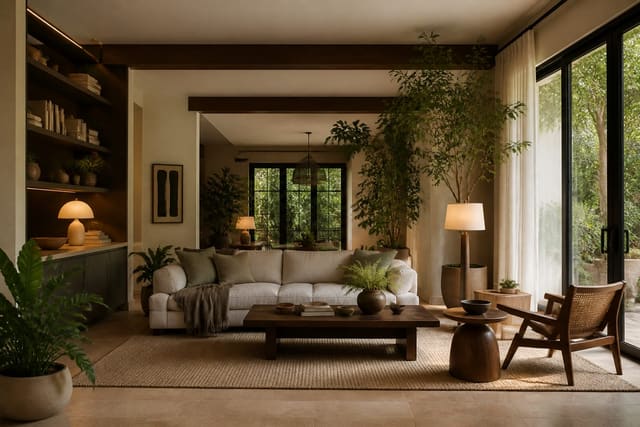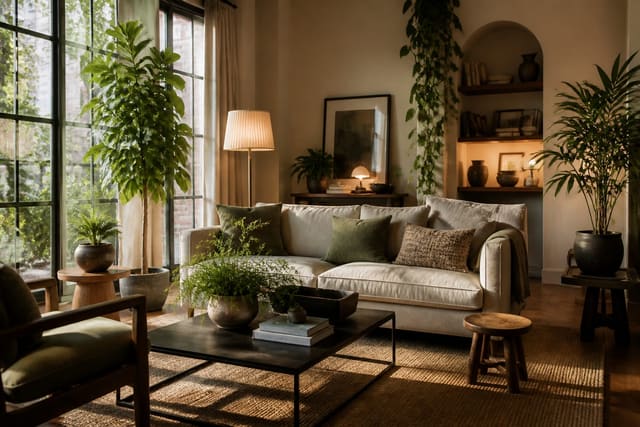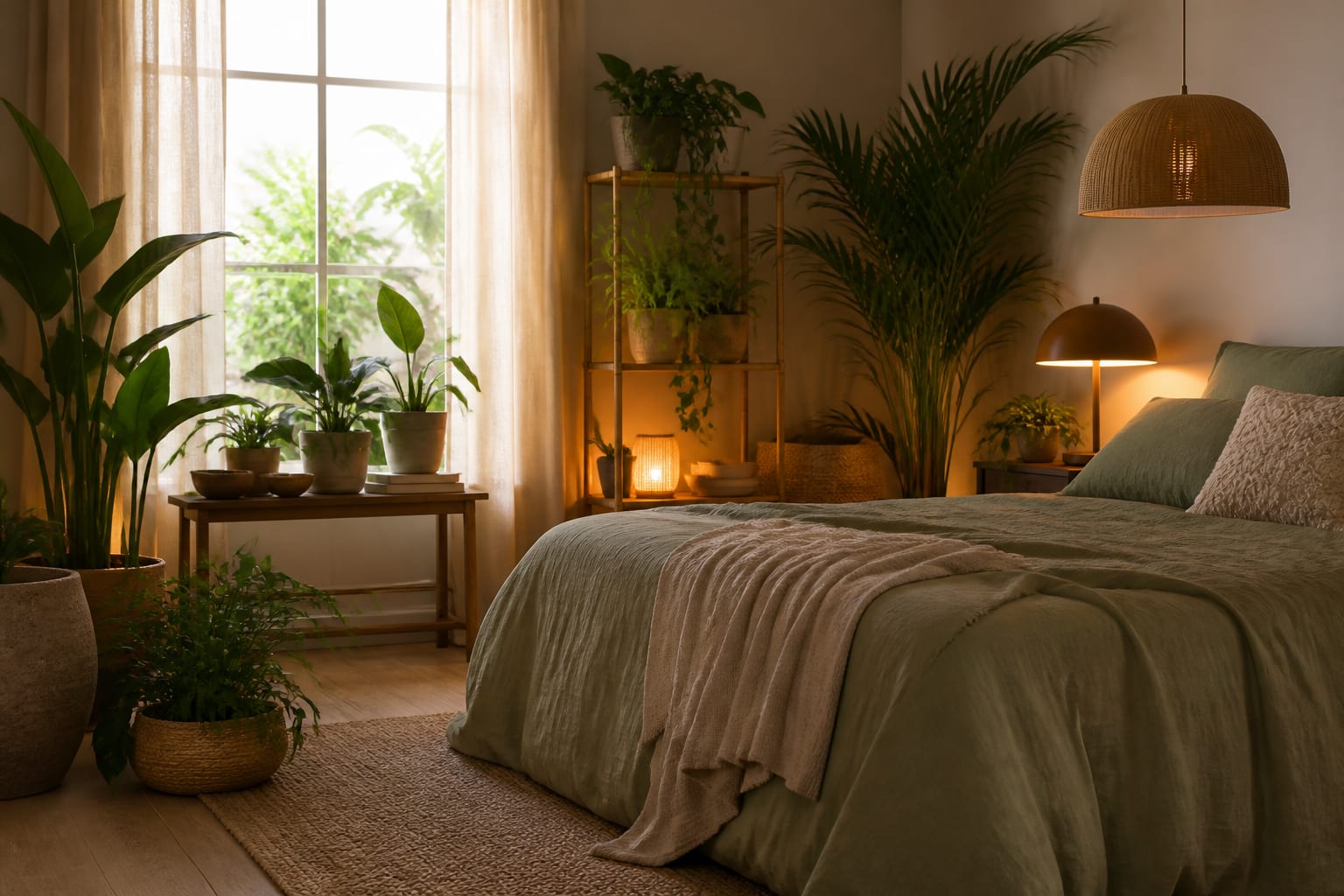
The best plants for bedroom spaces are forgiving, low-light species like snake plant, pothos, and ZZ plant, which tolerate the dim, north- or east-facing conditions most bedrooms get. They won't purify your air meaningfully, but they add calm, texture, and a sense of life to the room. Match the plant to your actual light instead of buying whatever photographs well.
Which plants actually thrive in a bedroom
Most bedrooms get modest light from a single window, so pick plants that tolerate low to medium light and irregular watering. Snake plant is the standout: it survives weeks of neglect and its upright leaves add vertical structure. Pothos trails from a shelf or dresser and tolerates almost any light level. ZZ plant needs watering as little as once every two to three weeks and shrugs off dim corners.
For more presence, cast-iron plant survives conditions that kill most houseplants, and heartleaf philodendron trails like pothos with softer leaves. In a brighter, south- or west-facing room, add a rubber plant or parlor palm for height. Match the plant to your light rather than buying a fiddle-leaf fig for looks and watching it decline. Our biophilic bedroom ideas guide layers plants with natural materials and light for a fuller approach.
What plants really do for sleep and air
Be clear-eyed about the benefits. The famous study on houseplants cleaning air was run in a sealed lab chamber; translating it to a real bedroom would take roughly 10 to 100 plants to make a measurable dent. Plants are not an air-purification system. What they reliably do is psychological: biophilic design research links greenery to lower stress and greater calm, which is exactly what a bedroom should support.
Some CAM plants, like snake plants, take in carbon dioxide at night rather than during the day, a minor but real bonus often overstated online. The bigger value is texture: trailing leaves soften a bare wall, and greenery makes a room feel tended and alive. Treat plants as a design and wellbeing element, not a medical device.
How to place and care for bedroom plants
Placement determines success more than species choice. Keep low-light plants 3 to 6 feet from a window for bright indirect light without midday scorching. Rotate each pot a quarter turn every week or two for even growth. Group plants using these moves:
- Set a tall floor plant like snake plant or parlor palm in a corner to fill a gap.
- Place a medium plant on a dresser at 32 to 40 inches so it sits in your eyeline.
- Hang a trailing pothos or philodendron up high to cascade down a bare wall.
- Cluster three pots of varied heights instead of scattering single plants.
- Keep one small plant on the nightstand as a detail you see each morning.
Watering kills more houseplants than neglect. Most low-light bedroom plants want the top 1 to 2 inches of soil to dry fully before rewatering, often every 10 to 14 days, less in winter. Use pots with drainage holes, since standing water rots roots fast. A moisture meter or finger test prevents overwatering.
Common mistakes to avoid with bedroom plants
A handful of repeated errors cause most dead bedroom plants:
- Buying a high-light plant like fiddle-leaf fig or succulent for a dim, north-facing room.
- Watering on a fixed schedule instead of checking that soil has actually dried out.
- Using pots with no drainage hole, letting water pool and rot roots.
- Placing shade-tolerant plants like pothos in harsh direct midday sun that scorches leaves.
- Keeping toxic plants such as pothos, philodendron, or peace lily within reach of pets or children.
- Overcrowding a small room with a dozen plants until it feels cluttered rather than calm.
Toxicity deserves real attention in a child's or pet's room. Choose pet-safe options like parlor palm, spider plant, or calathea, or place trailing plants high out of reach. The same care-for-the-occupant thinking that guides sensory-friendly children's bedrooms applies to plant choices around little ones.
See it first in Re-Design
Picturing how much green a room can carry before it tips into clutter is hard to judge from an empty corner. Upload a photo of your bedroom to Re-Design and test a tall snake plant in the corner, a trailing pothos on a high shelf, and a small nightstand pot against your actual furniture and light. See whether one statement plant or a cluster of three suits the space before you buy a single pot.
Frequently Asked Questions
What are the best low-maintenance bedroom plants?
Snake plant, pothos, and ZZ plant are the most forgiving choices. All three tolerate low light and irregular watering, often going 10 to 14 days between waterings. Cast-iron plant and heartleaf philodendron are close runners-up, thriving in the modest light most bedrooms get.
Do bedroom plants really improve air quality?
Not meaningfully on their own. The lab studies behind that claim would require roughly 10 to 100 plants per room to shift real air quality. What plants reliably do is lower stress and add calm through greenery and texture, a genuine wellbeing benefit even without measurable air purification.
Where should I place plants in a bedroom?
Keep most low-light plants 3 to 6 feet from a window for bright indirect light, away from harsh midday sun. Vary heights: a tall floor plant in a corner, a medium plant on a dresser around 32 to 40 inches, and a trailing plant up high. Rotate pots a quarter turn every week or two.
Are bedroom plants safe around pets and children?
Many popular ones are not. Pothos, philodendron, and peace lily are mildly toxic if chewed, so keep them out of reach or skip them in a child's or pet's room. Safer options include parlor palm, spider plant, and calathea, which thrive in low to medium light.