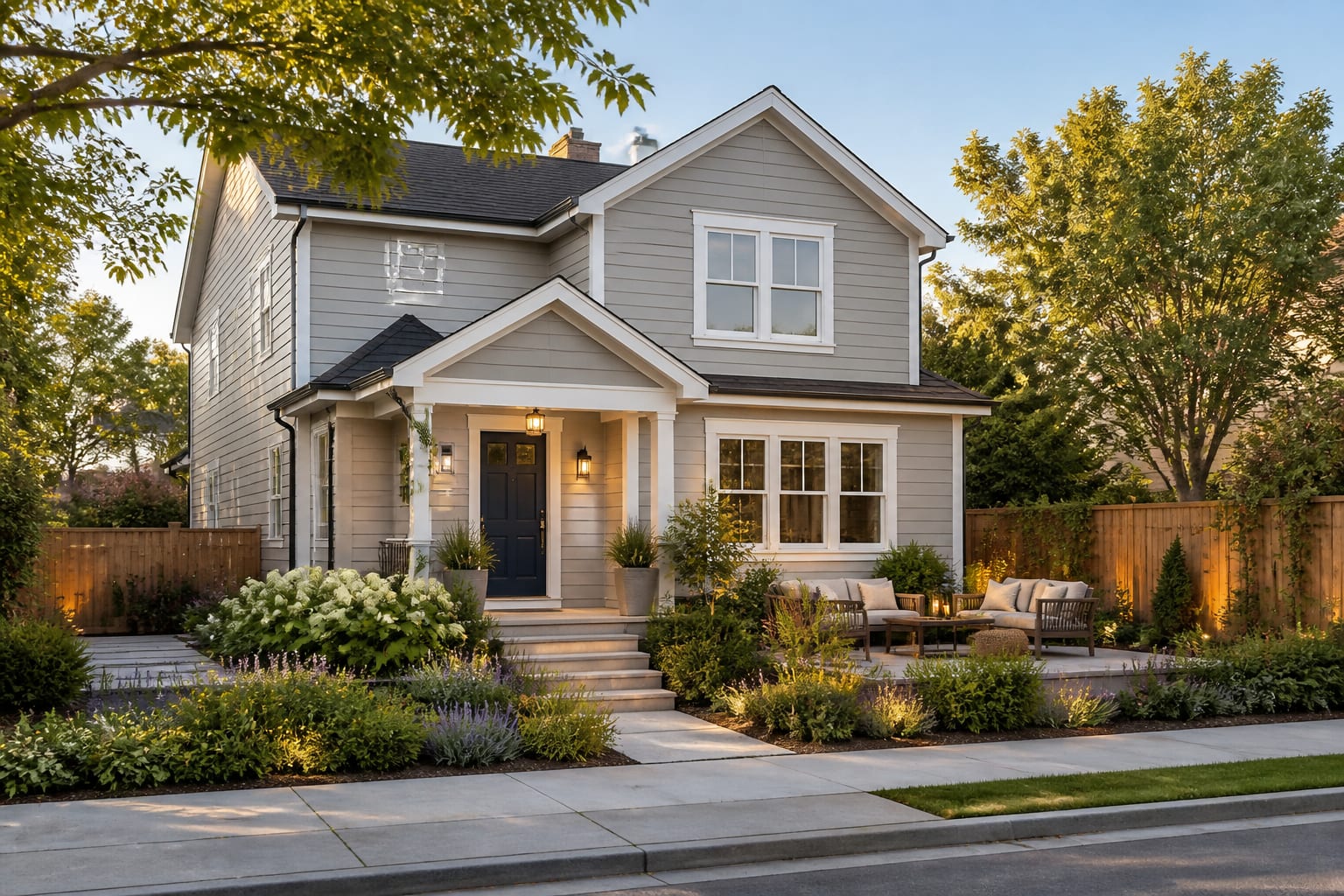
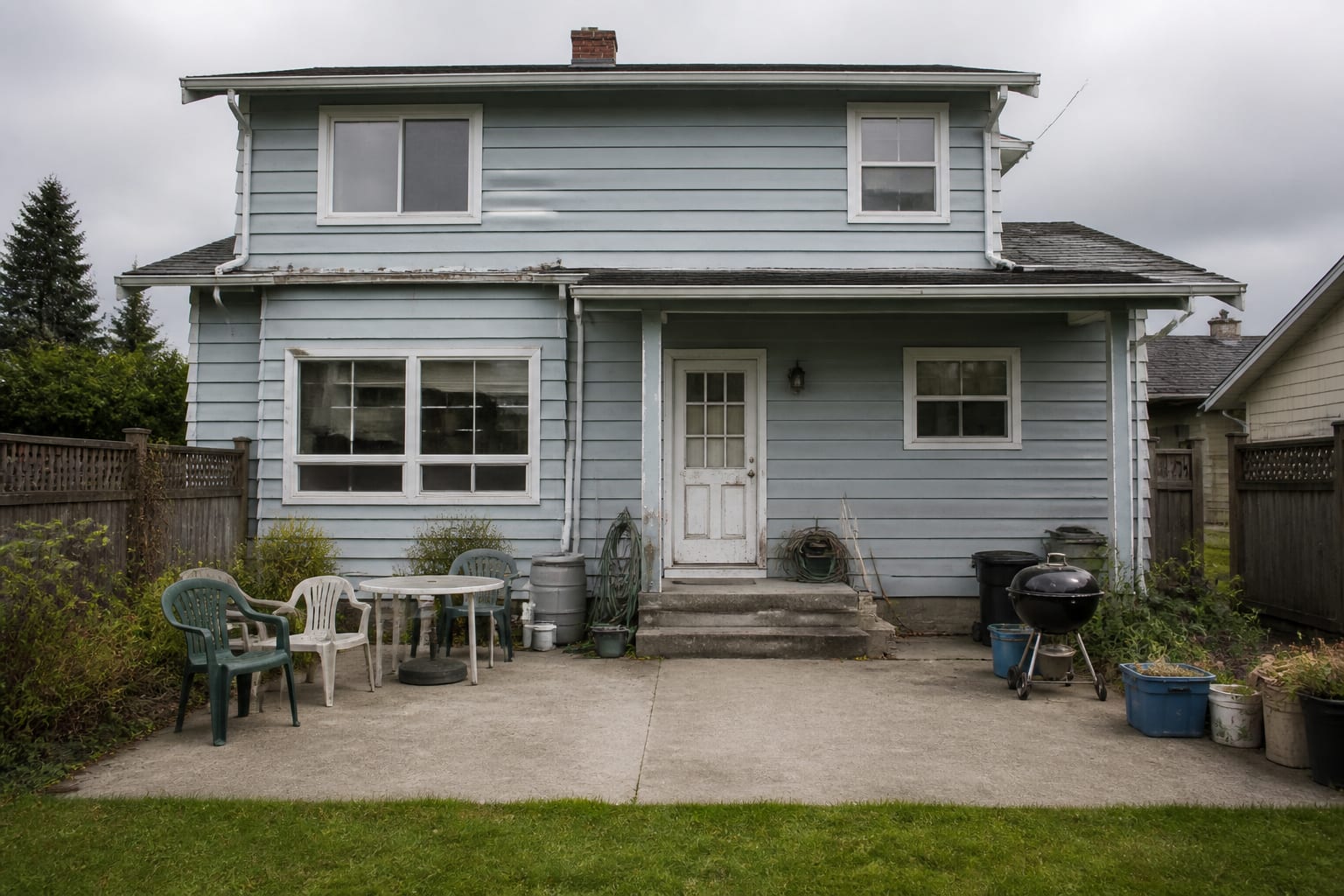
Exterior painting is the highest-return curb appeal project there is, but the quotes vary so wildly that most homeowners assume someone is overcharging. The truth is that prep, siding type, and the number of stories drive the price far more than the paint itself. I tell people to budget $2 to $6 per square foot of wall area and treat anything below that as a red flag. A correctly prepped repaint lasts 8 to 12 years, so paying for the prep is the cheapest decision you will make.
What actually drives the price
Labor is 70% to 85% of an exterior paint job, which is why two quotes on the same house can differ by thousands. A painter who plans to pressure wash, scrape, sand, prime bare spots, and caulk every seam will charge more than one who plans to spray over the dirt, and only one of those jobs lasts a decade. For a 2,000 sq ft two-story home with about 1,800 square feet of paintable wall, expect $4,500 to $9,000 with proper prep. Single-story ranches sit at the low end because there is no scaffolding or ladder time.
Height is the quiet multiplier. A second or third story means staging, ladders, and slower, more careful work, and crews price that risk in. The same square footage spread across one accessible story can cost 20% to 30% less than the same area wrapped around a tall, steep-roofed colonial. Trees, fences, and tight lot lines that block ladder placement push the number up further, because the crew loses time maneuvering around them.
The condition of the existing paint is the other line nobody quotes accurately until they see it up close. A house with sound, lightly chalked paint just needs a wash and two coats, while a house with widespread peeling and alligatoring needs hours of scraping and spot-priming that can add $1,500 to the bill on its own. If your siding is shedding paint in sheets, expect the prep line to dominate the quote, and treat any bid that ignores it as a fantasy. The paint cannot bond to a surface that is already letting go.
Geography matters more than most homeowners expect. Labor rates in a major metro can run double those in a rural county, so the same 1,800-square-foot job that costs $5,000 in one market lands at $9,000 in another. Season plays in too: most crews book solid from late spring through early fall, and quotes soften in the shoulder months when the calendar is open. If your project can wait for early spring or late fall and your climate cooperates, you can often shave 10% to 15% simply by booking when the crew is hungry for work rather than turning it away.
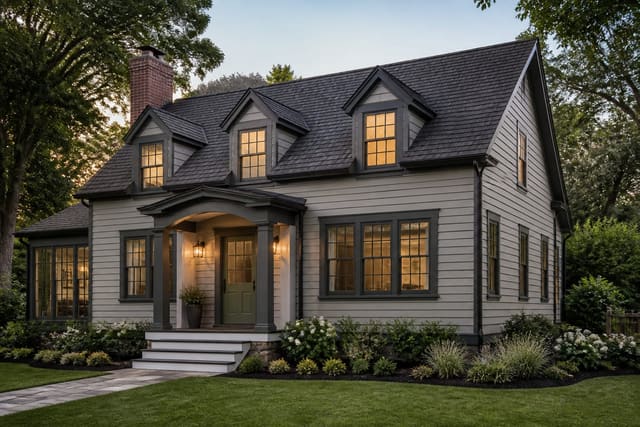
Siding material swings the number hard. Smooth fiber-cement and lap siding take paint fast, while stucco, brick, and rough cedar drink it and need more coats. If you are still choosing a color before you commit, our house exterior color ideas help you pick a scheme that hides minor flaws and fits the neighborhood, which protects resale value as much as the paint job itself. A dark color on a sun-baked southern wall also fades faster, so climate and orientation belong in the decision, not just the swatch.
A realistic line-item breakdown
Here is where the money goes on a typical $6,500 repaint of a two-story home so you can sanity-check any quote:
- Pressure washing and surface cleaning: $250 to $500.
- Scraping, sanding, and priming bare or peeling areas: $600 to $1,500 depending on condition.
- Caulking gaps and seams: $200 to $400 in labor and materials.
- Paint and primer: $400 to $900 for 12 to 18 gallons of quality acrylic.
- Labor for two coats on body, trim, and doors: $3,000 to $5,500.
Trim and accents are billed separately because they are slow, detailed work, often adding 20% to 30% to the body price. Cutting a straight line where trim meets siding, brushing around 20 windows, and getting soffits and fascia clean takes a fraction of the square footage but a large share of the hours. That is why a quote that lumps trim into the body price without mentioning it is a quote you should question.
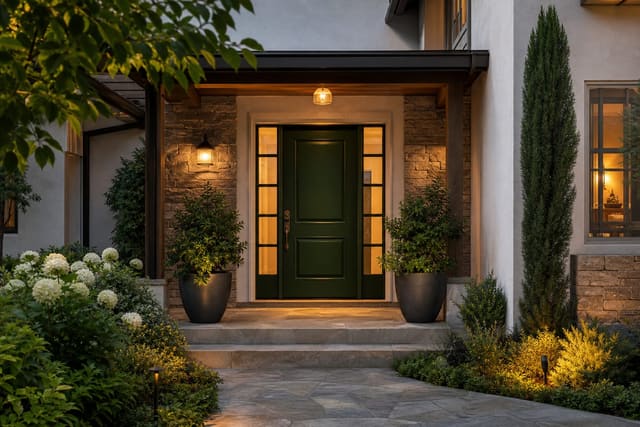
The front door is the cheapest high-impact piece of the whole job, and pairing the right door color with the body is worth getting right; our front door color ideas cover combinations that read intentional from the curb. For under $60 in paint and an afternoon, a saturated door color does more for curb appeal per dollar than almost anything else on the list.
Common mistakes to avoid
The most expensive mistake is accepting the lowest bid without reading the prep scope. A $3,200 quote that skips washing and priming will peel within three years, and you will pay the full price again, which makes it the costliest option, not the cheapest. Always make every bidder write out the prep steps in line items so you are comparing the same work, not just the same address.
The second mistake is painting over a moisture or rot problem. Fresh paint seals damp wood and accelerates the decay underneath, so any soft trim or bubbling needs repair first. Probe suspect spots with a screwdriver before the crew arrives; finding rot mid-project means a change order and a delay you did not budget for.
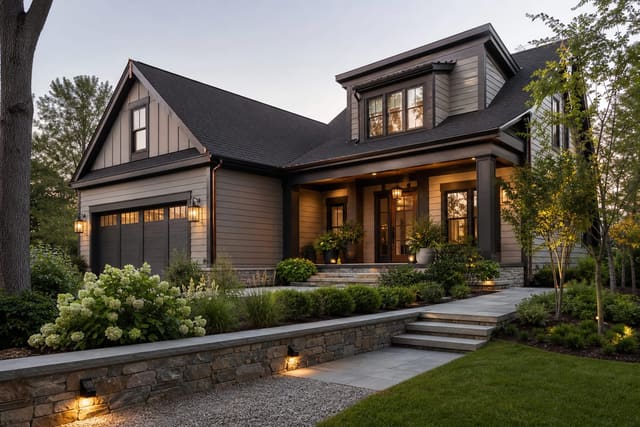
Finally, do not paint in the wrong conditions; most acrylics need surface temperatures between 50 and 85 degrees and a dry forecast for 24 hours, and a crew rushing a job before rain is gambling with your money. Paint that gets rained on before it cures can streak, blister, or wash off entirely. Choosing the color is the fun part, but the whole-facade redesign approach reminds you to plan body, trim, and door as one palette rather than three separate decisions, so the finished house reads as one design instead of three.
Preview your exterior color in Re-Design
Frequently Asked Questions
How much does it cost to paint a house exterior? Most homeowners pay $2 to $6 per square foot of wall area, which works out to roughly $3,500 to $12,000 for an average two-story home. The wide range comes from siding type, story count, and how much prep the surfaces need. A single-story home in good shape lands near the bottom.
How long does an exterior paint job last? A properly prepped job with quality 100% acrylic paint lasts 8 to 12 years on most siding. Stucco and brick can hold paint even longer, while sun-blasted south walls fade first. Skipping prep cuts that lifespan to as little as 3 years.
Is it cheaper to spray or brush exterior paint? Spraying is faster and cheaper on labor, but back-brushing the sprayed coat is what works paint into the surface for durability. The best crews spray and back-brush, which costs a little more but doubles adhesion. A spray-only job that skips that step often fails early.