Landscaping budgets blow up because owners treat the install as the whole cost, when the real number is the install plus a decade of upkeep behind it. A lush design that needs $250 a month to maintain is a far bigger commitment than its one-time price tag suggests. Design for the maintenance you will actually do, and your yard stays beautiful instead of slowly becoming a chore you resent every Saturday.
Front yard versus back yard pricing
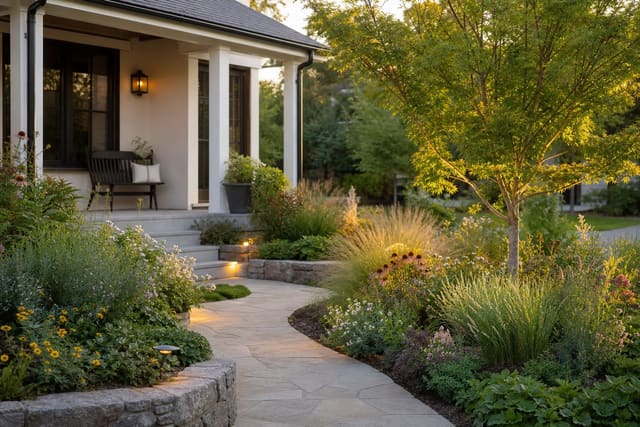
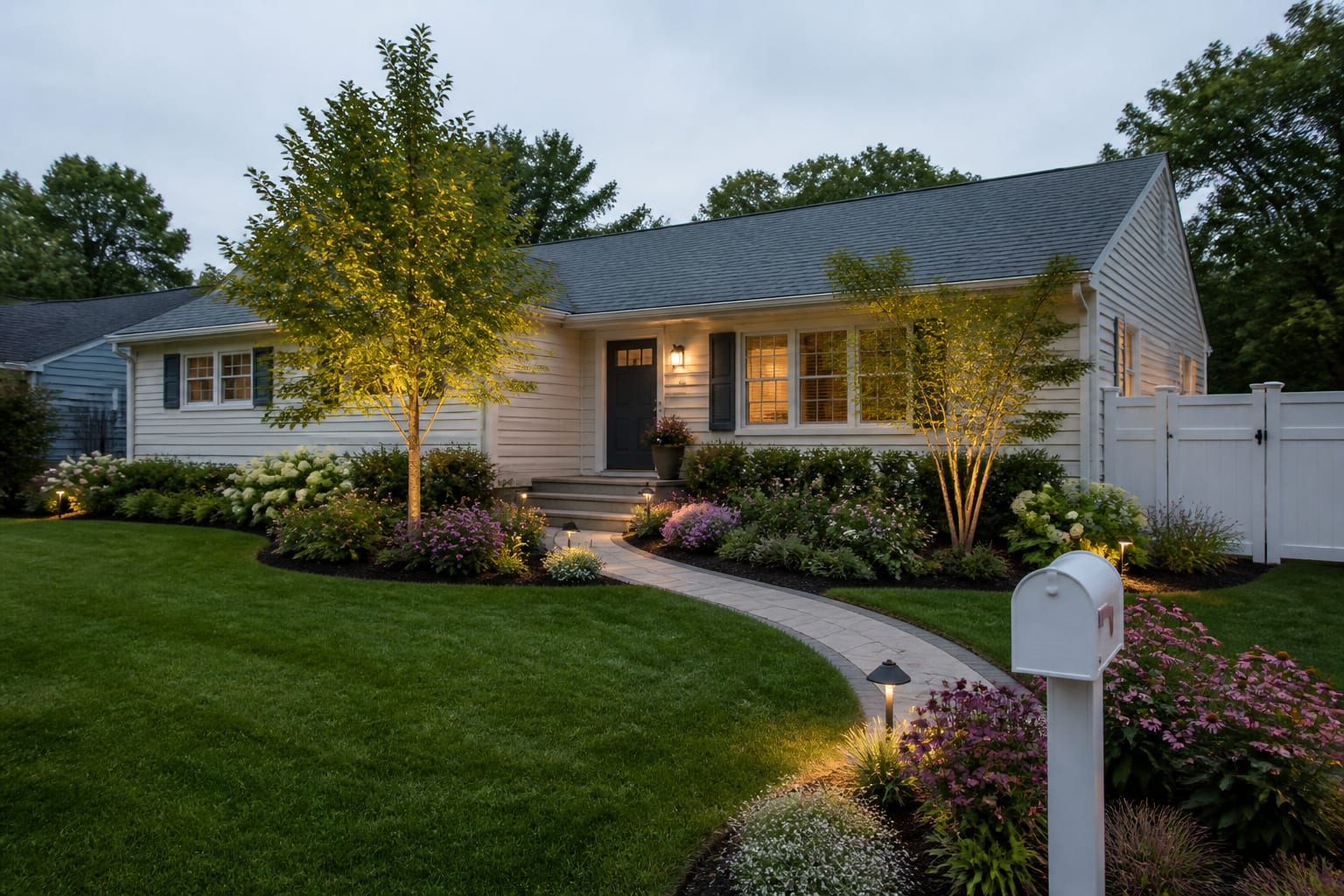
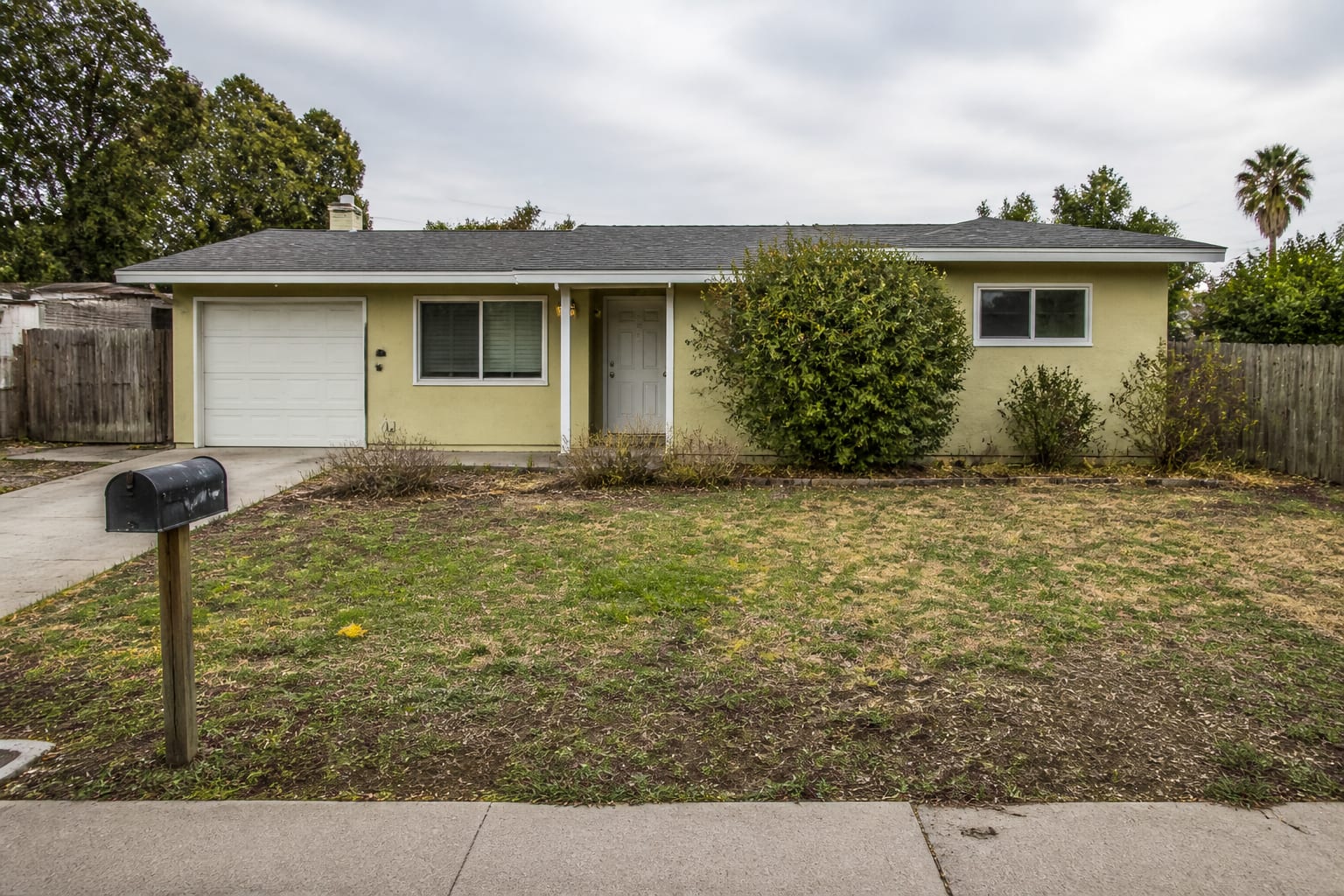
The two halves of your property follow completely different cost logic, and confusing them is how budgets drift. Front yards are about curb appeal and tend to be smaller, so a refresh of beds, sod, a walkway, and a few trees usually lands at $3,000 to $12,000. The work is highly visible and often code-sensitive, but the square footage stays modest, which keeps the total contained. Most front yard money goes into the first impression a visitor forms in ten seconds: clean lines, healthy turf, and structured plantings that frame the entry. A fresh front yard also pays back at resale better than almost any interior project, since curb appeal shapes a buyer's expectation before they walk through the door. That return is part of why a modest front budget often punches above its weight.
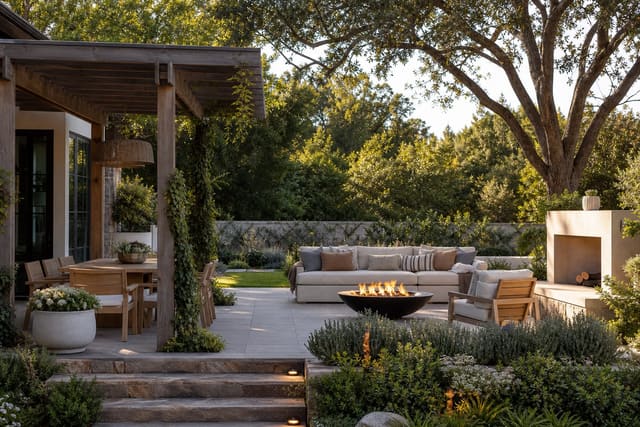
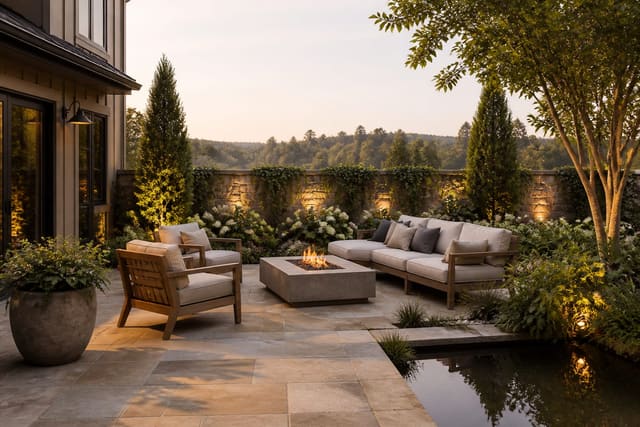
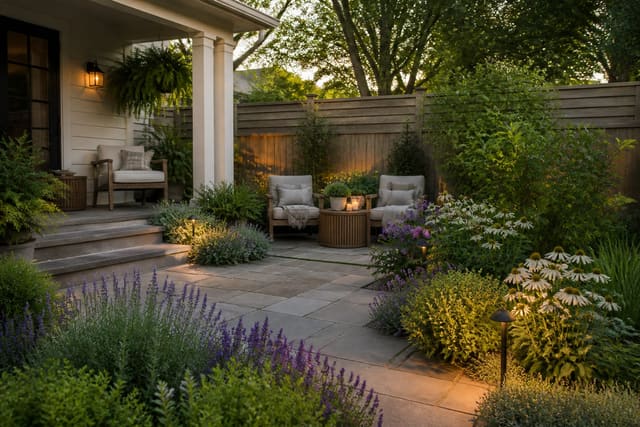
Back yards carry the bigger budgets because they quietly become outdoor living rooms. A full back yard build with patios, seating, lighting, and planting commonly runs $5,000 to $40,000, and elaborate projects with pools or kitchens go well beyond that ceiling. The driver is hardscape: every patio, retaining wall, and walkway costs far more per square foot than a planting bed full of perennials. Softscape, by contrast, is where you can stretch a budget, since sod and young shrubs fill space cheaply and grow into the design. Before you commit to a layout, visualize how the finished yard reads from your back door, since a plan that looks generous on paper can feel cramped once you see it in real proportions.
Climate quietly sets your budget floor. A yard in a dry region leans on drought-tolerant plants and drip irrigation, while a wet, shady lot needs drainage solutions and species that tolerate damp roots. Slope is the other hidden multiplier, since a sharply graded lot may demand terracing or retaining walls that double the hardscape line before a single plant goes in. Soil quality matters just as much, because poor or compacted dirt often needs amending at $2 to $5 per square foot to give new plantings a fighting chance.
A landscaping budget by project type
Rather than one intimidating lump sum, think in discrete projects you can sequence over a couple of seasons. Here are common back yard line items at realistic 2026 pricing:
- Sod installation: $1.50 to $4 per square foot for a quick, established-looking lawn.
- Planting beds with shrubs and perennials: $10 to $25 per square foot installed.
- Paver or stone patio: $15 to $35 per square foot depending on the material.
- Retaining wall: $25 to $60 per square foot of wall face, more with engineering.
- Low-voltage lighting: $150 to $400 per fixture installed with a transformer.
Design fees sit on top of all of that, generally $500 to $5,000 for a plan, or 10 to 20 percent of the construction budget for full-service firms. Skipping design on a large project is usually false economy, since a good plan prevents the expensive rework that comes from grading errors and crowded beds. Phasing also lets you spread payments and learn how you actually use the space before committing to the priciest features.
Irrigation is the line most homeowners forget until the first dry spell. A basic in-ground sprinkler system runs $2,500 to $5,000 for an average lot, while a targeted drip setup for beds costs far less and wastes almost no water. Mulch is another recurring cost worth budgeting, since beds need a refresh of two to three inches roughly every other year at $40 to $60 per cubic yard. Trees are the one place to spend patiently, because a $200 sapling and an $800 specimen of the same species usually look identical within four or five growing seasons.
Common mistakes to avoid
The costliest mistake is planting before you solve grading and drainage. Water that pools or runs the wrong way will rot roots and undermine hardscape, and fixing it after planting means tearing out finished beds you just paid for. Settle the grade first, even though it is the least glamorous line on the entire invoice. A French drain or a regraded swale costs far less than excavating a finished bed and starting over.
Owners also choose plants by looks alone and ignore mature size, so a tidy bed becomes an overgrown jungle within three seasons. Read the tag, respect the spread, and lean toward native plants that thrive on local rainfall and slash your watering bill. Households with dogs and cats add a second filter, since several common ornamentals are toxic, and a pet-safe plant list is worth consulting before anything goes in the cart. Another frequent error is buying mature specimen trees when younger ones catch up within a few years at a fraction of the price. Homeowners also tend to over-lawn, pouring money into thirsty turf that demands constant mowing and water when a mixed bed of groundcover and shrubs would cost less to keep and look richer. A second common slip is forgetting about year-round interest, since a yard built only for summer color looks barren for the other nine months, so weave in evergreens, ornamental grasses, and a few plants that bloom in early spring or hold berries through winter. The final trap is ignoring proportion and flow; sound landscape design principles keep beds, paths, and focal points in scale so the yard feels intentional rather than assembled piece by piece over random weekends.
Preview your landscaping in Re-Design
Frequently Asked Questions
How much does it cost to landscape a typical yard? A complete landscaping project on an average suburban lot usually runs $8,000 to $30,000, combining front and back work. Smaller refreshes start around $3,000, while back yards with patios, walls, and lighting climb past $40,000. Your square footage and the ratio of hardscape to plants set the figure.
Should I pay for a landscape design? For anything beyond a simple plant swap, yes. A design fee of $500 to $5,000 or 10 to 20 percent of the build prevents costly mistakes in grading, layout, and plant choice. The plan also lets you phase the work and gather truly comparable bids.
What does landscaping maintenance cost per month? Routine upkeep runs $100 to $300 per month for a typical lot, covering mowing, trimming, weeding, and seasonal cleanups. Larger properties or high-detail gardens cost more, while low-water native designs cost noticeably less. Budget for it before you build, not after.