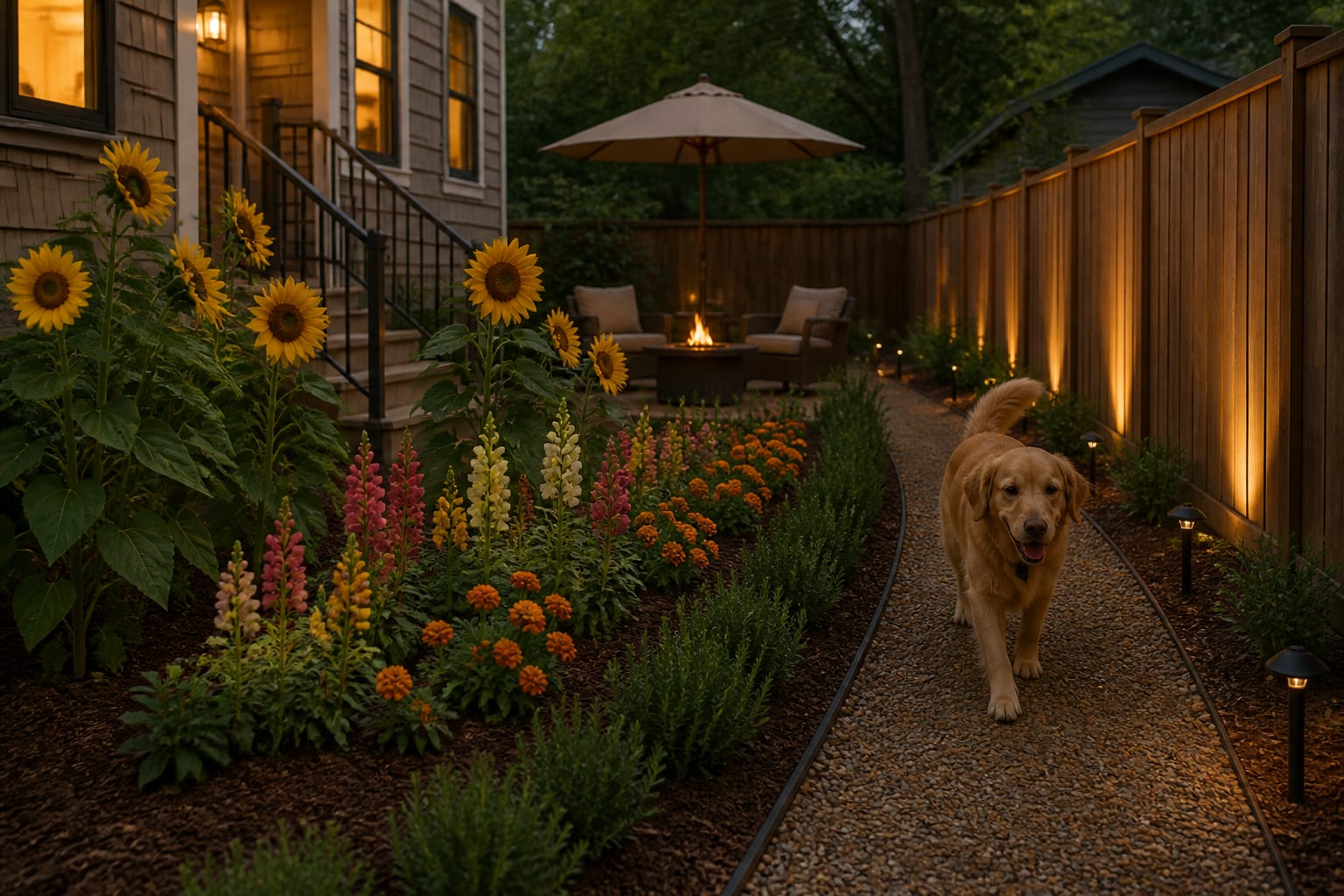
Pet safe garden plants for dogs and cats include sunflowers, snapdragons, marigolds, rosemary, thyme, and most ornamental grasses. The plants to remove are a short, well-known list: lilies, foxglove, sago palm, oleander, and azalea. Learn that list, pull those plants, and build the rest of the garden sturdy enough to survive a dog running through it.
Which plants are toxic and which are safe for pets?
The plants that send pets to the vet are a small, knowable group. Lilies are worst for cats; even pollen or vase water can cause kidney failure. Sago palm is brutal for dogs, where a single seed can be fatal. A second tier causes stomach upset rather than emergencies, and is worth siting out of reach but doesn't demand a teardown.
| Plant | Safety | Notes |
|---|---|---|
| Lilies | Toxic | Cats: kidney failure from pollen or water |
| Sago palm | Toxic | Dogs: one seed can be fatal |
| Oleander, foxglove, azalea, yew | Toxic | Serious toxicity if chewed |
| Tulip/daffodil bulbs, hydrangea, tomato leaves | Mildly toxic | Stomach upset, not an emergency |
| Sunflowers, zinnias, marigolds, snapdragons | Safe | Non-toxic, bloom all season |
| Rosemary, thyme, basil, sage | Safe | Fragrant, sturdy, safe herb edge |
| Ornamental grasses, ferns, clover | Safe | Tough groundcover, handles traffic |
When in doubt, check before you plant rather than after a scare. The [ASPCA maintains a searchable database](https://www.aspca.org/pet-care/animal-poison-control/toxic-and-non-toxic-plants) of toxic and non-toxic species for dogs, cats, and horses. A 30-second search beats an emergency vet visit that can run several hundred dollars. The same right-plant-right-place thinking in these native plant landscaping ideas applies here, since many regional natives are both pet-tolerant and tough.
What are the safest plants to grow around pets?
A pet-safe garden also has to survive the pet, so lean on plants that are both non-toxic and physically sturdy. Ornamental grasses bounce back from a body slam, and rosemary, thyme, and sage shrug off being brushed daily. Ground-level choices matter most since that's nose and paw height; clover fixes its own nitrogen and stays green where turf wears to dirt.
- Sunflowers and zinnias for tall, cheerful, non-toxic color.
- Snapdragons and marigolds for season-long blooms that take rough handling.
- Rosemary, thyme, basil, and sage for a safe, fragrant herb edge.
- Creeping thyme or clover as a walkable groundcover for dog zones.
- Ornamental grasses and Boston fern for texture that survives traffic.
For shade and screening, crepe myrtle, magnolia, and most fruit trees are fine, while yew and oleander are not. Cats climb and chew more selectively than dogs graze, so in a cat household watch anything in the lily family and any plant near a reachable windowsill. Match plant toughness to the animal: a 60-pound dog needs sturdier planting than a houseplant-nibbling cat.
How do you design a layout around how pets move?
Dogs patrol fence lines, so give them a deliberate path 36 to 48 inches wide of mulch or fine gravel instead of letting them carve one through your plants. Raised beds 18 to 24 inches tall keep fragile plants out of reach while a border as low as 12 inches is often enough to redirect a dog without walling off the garden. Balancing hard and soft elements, as covered in this hardscaping vs softscaping guide, is exactly what keeps a dog from wearing a muddy track through your best bed.
Mulch is a sneaky hazard. Cocoa mulch smells like chocolate and contains theobromine, so skip it and use plain shredded bark, cedar, or 3 inches of pine straw instead. Avoid sharp lava rock where paws run, and keep bone or blood meal fertilizer sealed away since the smell is irresistible and a gut full of it is a real emergency. If you treat the lawn, follow the label's 24 to 48 hour pet-off window before letting them back out.
What mistakes should you avoid?
- Buying on looks alone. Check the toxic-plant list before you plant, not after finding a sago palm in a yard where the dog roams.
- Using cocoa mulch. It's one of the few mulches genuinely dangerous to dogs, and people grab it for the color and smell.
- Fighting your pet's habits. Planting a delicate border exactly where the dog already runs just means it keeps dying; give the dog the path instead.
- Assuming herbs and vegetables are safe. Onions, garlic, and chives are toxic to dogs and cats, so site the edible garden out of grazing reach.
How can AI design help preview a pet-safe garden?
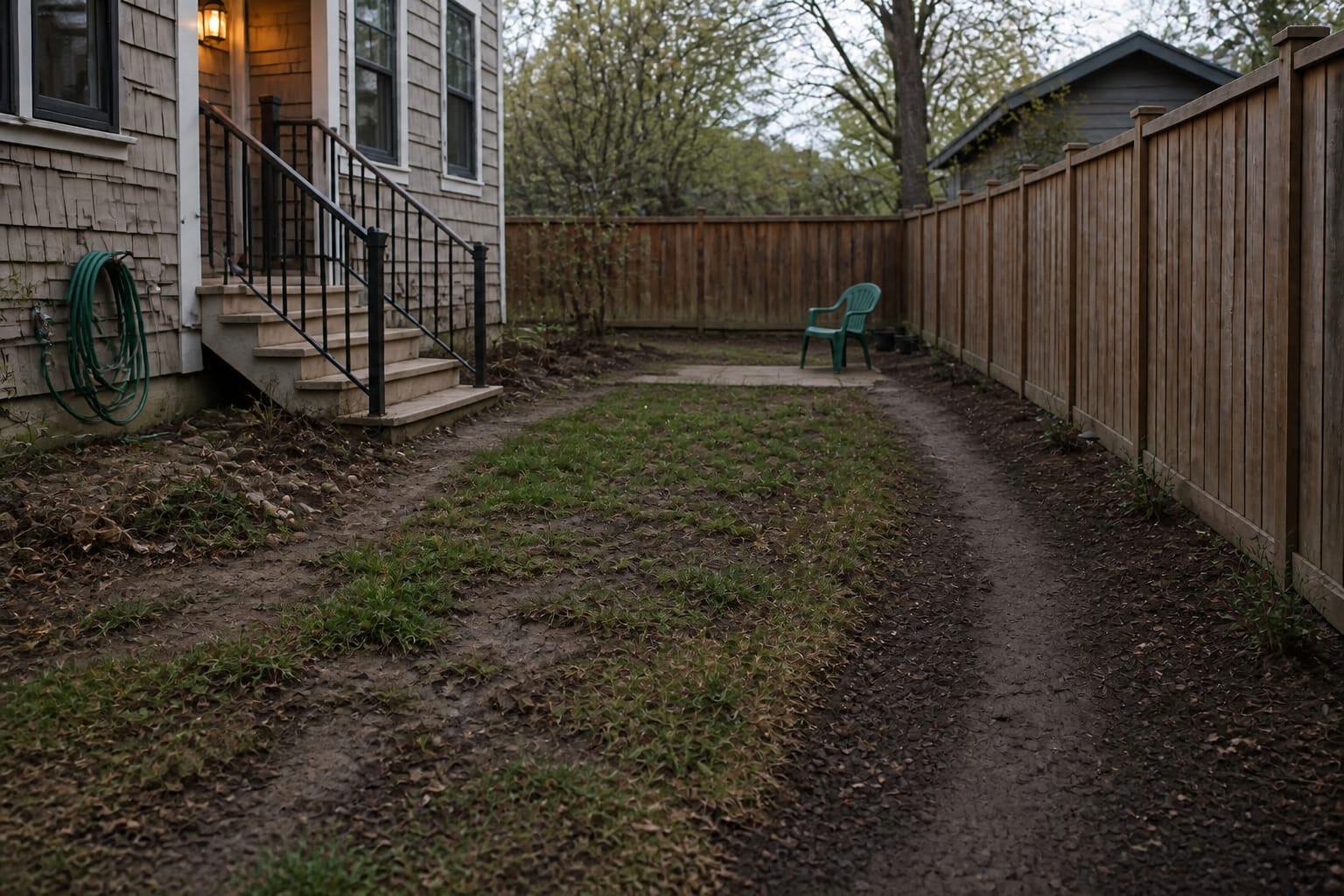
It's hard to picture a finished pet-friendly garden when you're looking at a torn-up lawn and a muddy dog track. Re-Design lets you upload a photo of your yard and see it re-rendered with safe planting beds, a clear gravel patrol path, and durable groundcover where the dog runs, before you spend a weekend planting.
Try a couple of versions: ask for raised herb beds with a mulched dog path along the fence, then a low-border cottage look with non-toxic blooms. Comparing them helps you land on a design that survives the pet and still looks like a garden.
Frequently Asked Questions
What are the most toxic plants for dogs and cats?
Lilies (especially for cats), sago palm, oleander, foxglove, azalea, and yew are the most dangerous. Lily exposure can cause kidney failure in cats even from pollen, and a single sago palm seed can be fatal to a dog. Remove these before planting anything else.
Is mulch safe for dogs?
Most mulch is fine, but cocoa mulch is not: it contains theobromine, the same toxin found in chocolate, and can poison dogs who eat it. Use plain shredded bark, cedar mulch, or pine straw instead, applied about 3 inches deep.
Are herbs like rosemary and thyme safe for pets?
Yes. Rosemary, thyme, basil, and sage are non-toxic to dogs and cats and hold up well to being brushed or stepped on. Onions, garlic, and chives are the exceptions in an herb or vegetable bed and should be planted out of reach.
How do I stop my dog from destroying garden beds?
Give the dog a dedicated 36 to 48-inch mulch or gravel path along the fence line instead of fighting the route it already patrols. Raised beds 18 to 24 inches tall or a 12-inch border also redirect traffic away from fragile plants.
Are tomato plants safe for dogs and cats?
Ripe tomato fruit is generally fine in small amounts, but the leaves and stems are mildly toxic and can cause stomach upset. Site tomato plants where pets can't graze the foliage directly.