Tie every lawn task to soil temperature and season, not to a date on the calendar, because grass responds to warmth and daylight rather than the first of the month. To maintain a lawn month by month, feed and seed when the grass is actively growing, aerate before peak growth, and raise the mower in summer heat. My read is that timing beats product every time; the right fertilizer applied at the wrong moment does less than a cheap one applied when the grass can use it.
I think most lawns are over-mowed and under-fed at exactly the wrong times. Get the rhythm right across the year and you spend less on bags and fixes than the neighbor chasing weeds all summer.
Spring: wake the lawn up without overdoing it
Spring is for cleanup and a gentle start, not a heavy feed. Once soil reaches about 55 degrees, rake out winter thatch and debris, then take the first mow at the top of your range, around 3 inches, to clear matted growth. A light nitrogen feed wakes cool-season grass, but a heavy spring dose pushes soft top growth that burns out in summer, so keep it modest.
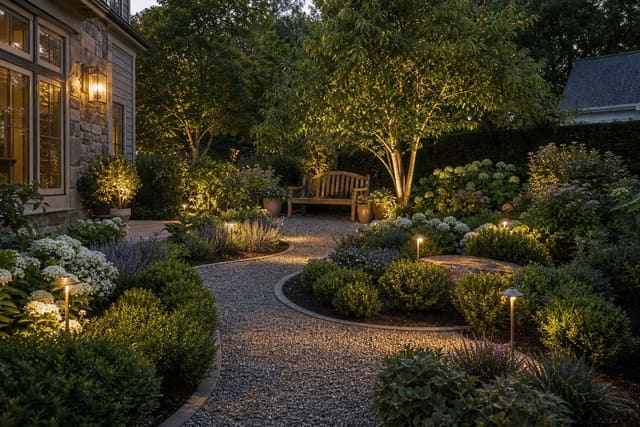
This is the window for pre-emergent weed control, timed to soil hitting roughly 55 degrees when crabgrass germinates. If you are reshaping beds at the lawn edge this season, the same soil-temperature logic that guides a garden design refresh tells you when to plant and when to hold. Edge the lawn cleanly now so mowing stays simple all summer, and check your irrigation for leaks before the dry months arrive.
Servicing the mower in spring saves grief later. Sharpen or replace the blade before the first cut, change the oil, and check the tire pressure so the deck rides level and cuts an even height. A spring soil test is worth the small cost, since it tells you whether the lawn actually needs lime or a particular nutrient instead of guessing from a bag label. If the test shows a pH below 6.0, an early-spring lime application has the whole season to work into the root zone before fall feeding asks the roots to take up nitrogen.
Summer: protect the lawn through heat and drought
Summer is survival mode, and the mower height is your main tool. Raise the deck to 3.5 to 4 inches so longer blades shade the soil, slow evaporation, and crowd out weeds. Mow in the evening when the grass is dry and never cut more than a third of the blade at once, which means mowing more often in flushes of growth and backing off in heat. Leave the clippings to return nitrogen unless they clump.
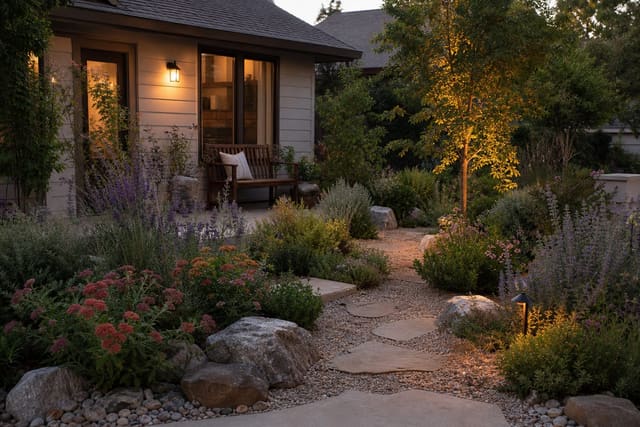
Watering is where people waste the most. Grass wants 1 inch per week delivered in one or two deep soaks early in the morning, which drives roots down rather than keeping them shallow and thirsty. Skip the daily light sprinkle. Hold off on fertilizer and heavy seeding now, since both stress a lawn fighting heat. In a genuine drought, a lawn can go dormant and brown without dying, much like the planted zones in a drought-tolerant landscaping scheme that rides out dry spells and greens up when rain returns.
To measure that inch, set a few shallow tuna cans around the lawn and run the sprinkler until they fill, then note the time so you can repeat it. Watch foot traffic in the heat too, since grass that does not spring back after you step on it is stressed and wants a break from mowing and play. Spot-treat broadleaf weeds by hand rather than blanket-spraying a baking lawn, because herbicide stresses grass that is already at its limit. If chinch bugs or grubs show up as spreading brown patches that lift like a loose carpet, deal with them now rather than blaming the heat, since a pest problem only widens through the hottest weeks.
Fall: the most important season for the lawn
Fall is when a cool-season lawn does its real work, so this is the time to invest effort. As soil cools to 55 to 65 degrees, core-aerate compacted areas, then overseed thin and bare patches; the seed germinates fast in warm soil and cool air with less weed competition than spring offers. Keep the new seed moist with light daily watering until it establishes, then taper back to deep soaks.
The fall feed matters more than any other. Run through the season in this order:
- Early fall: core-aerate, then overseed bare and thin spots while soil is still warm.
- Mid fall: apply the main nitrogen feed of the year to build roots and store energy.
- Late fall: take a final mow slightly lower, around 2.5 inches, and clear leaves so the lawn is not smothered over winter.
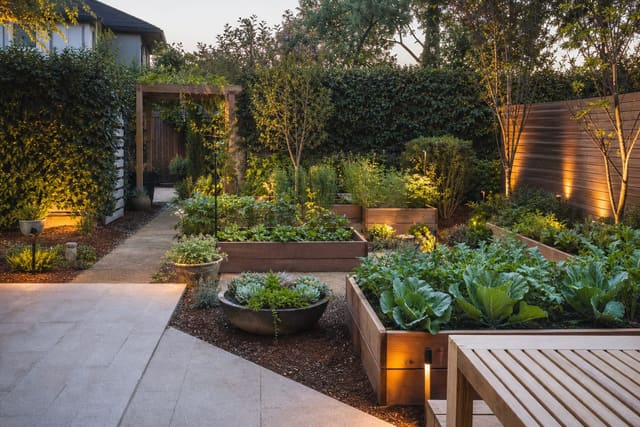
This is also the season to plan next year's edges and any new planting beds. If you are folding a kitchen plot into the yard, time the soil prep with the lawn work so a vegetable garden design and the turf around it both go into winter ready.
Common mistakes to avoid
The common mistakes to avoid almost all come from bad timing and an aggressive mower. Cutting too short, the classic error, scalps the crown and invites weeds; keep the cut at 3 to 4 inches and never take more than a third of the blade. Mowing with a dull blade is just as damaging, because it tears the grass and leaves frayed brown tips, so sharpen it every 20 to 25 hours of use.
The other big miss is feeding cool-season grass hard in spring instead of fall, which wastes the most important feeding window of the year. Daily shallow watering is the same kind of error, training roots to stay near the surface where they dry out fast; switch to deep weekly soaks. And skipping fall aeration and overseeding lets a lawn thin out year over year, so do not let the busy end of summer talk you out of the season that matters most.
Use AI design to preview a healthier lawn and yard
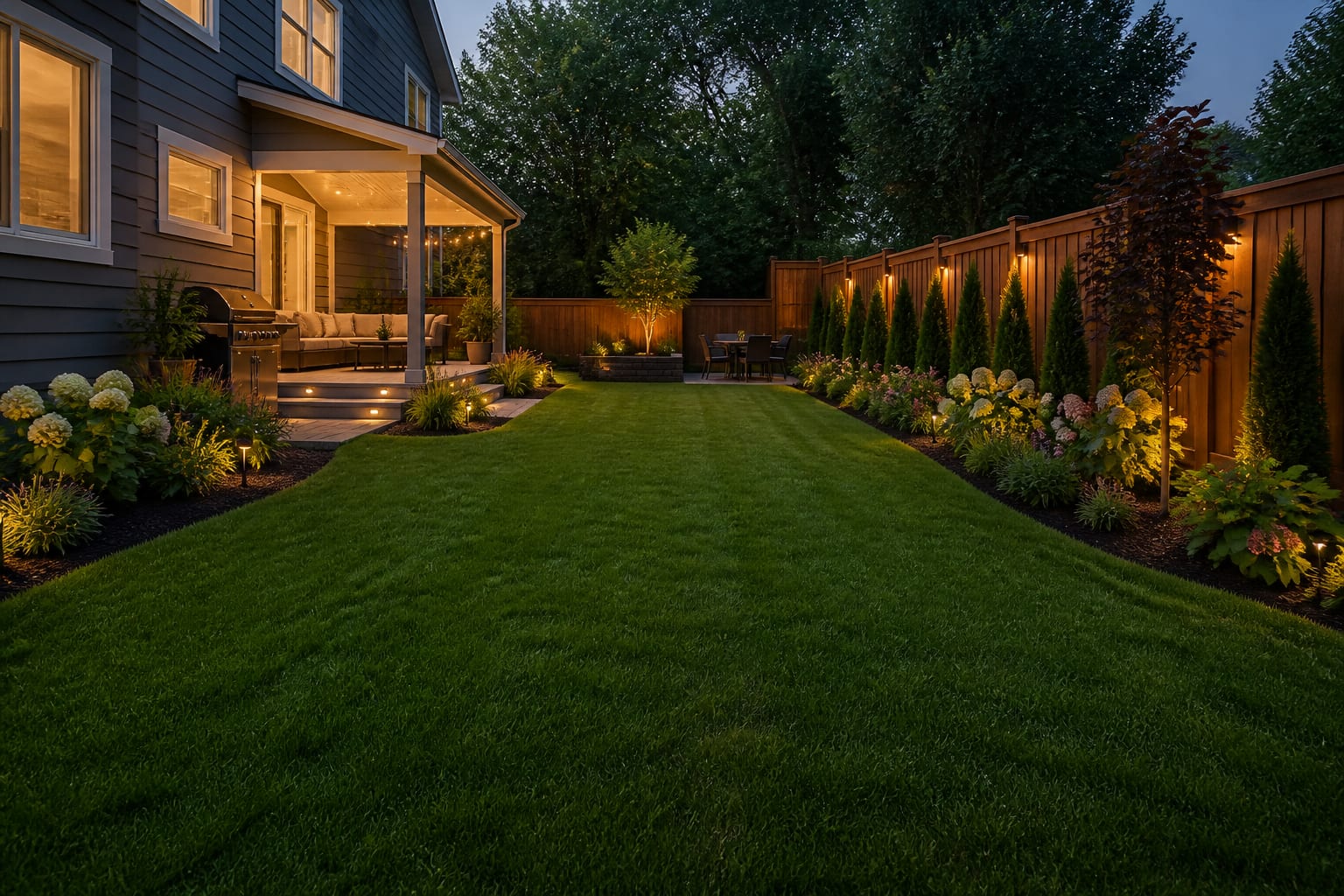
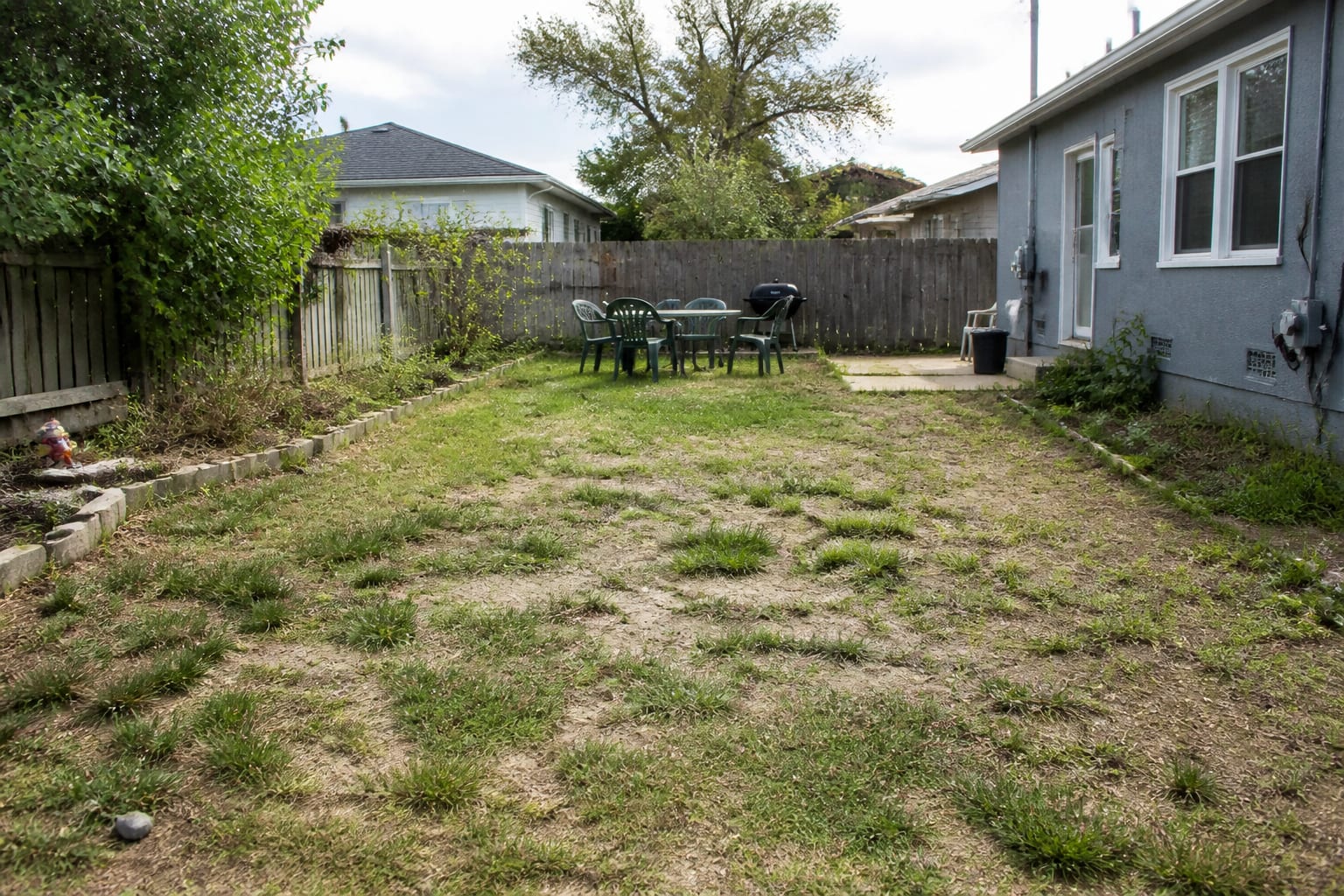
It is hard to commit to a year of lawn work when you cannot picture the payoff. Re-Design helps you see it: upload a photo of your patchy, worn yard and the AI design tool re-renders the same view with a thick, even lawn and clean bed edges, so the result of a full season's schedule is in front of you before you buy a single bag of seed.
Try a couple of directions on the one photo. Upload it, ask the AI to show a dense repaired lawn with crisp edged borders, then compare it against a version that converts the thirstiest corner to a low-water planted bed. Seeing both makes it clear which patches are worth overseeding and which are better off planted, which keeps your fall effort aimed where it pays back.