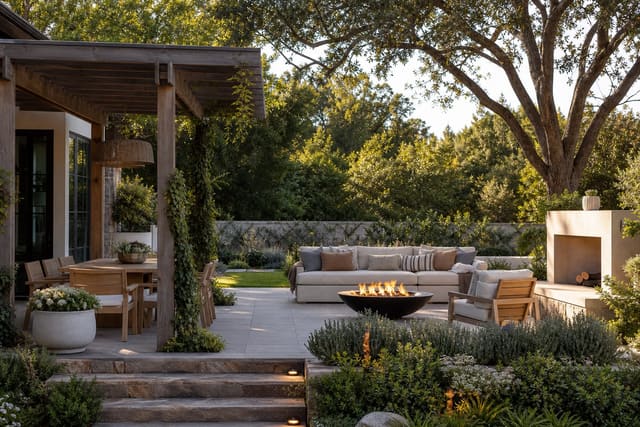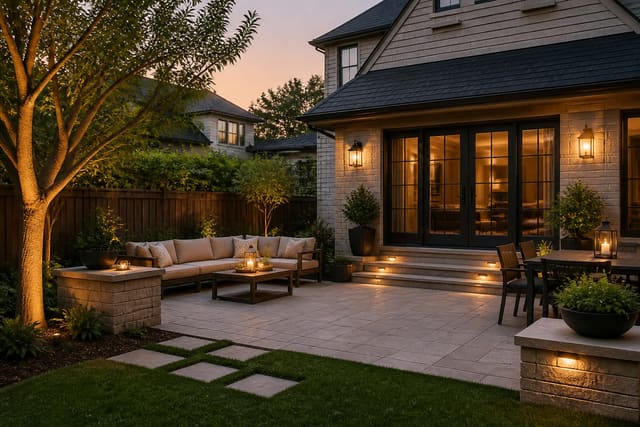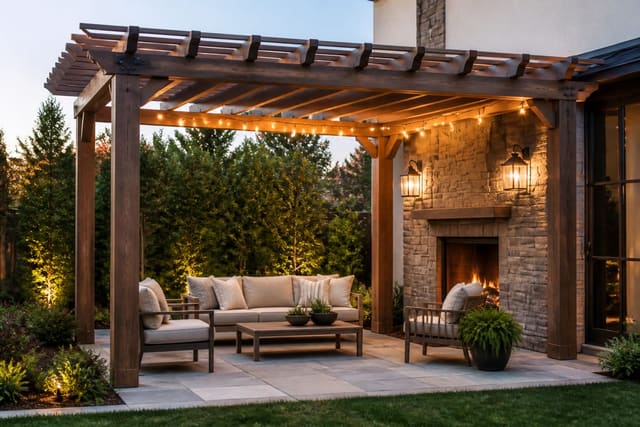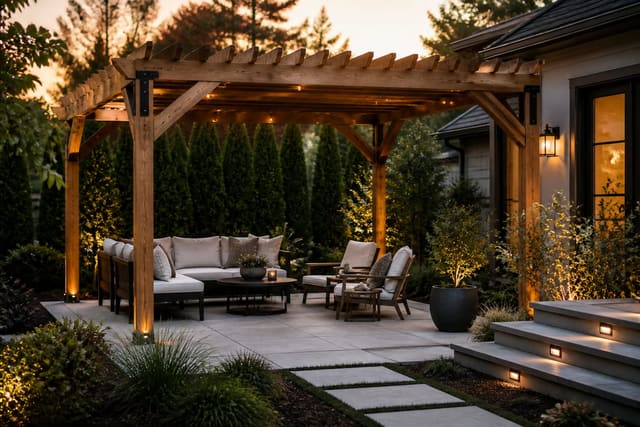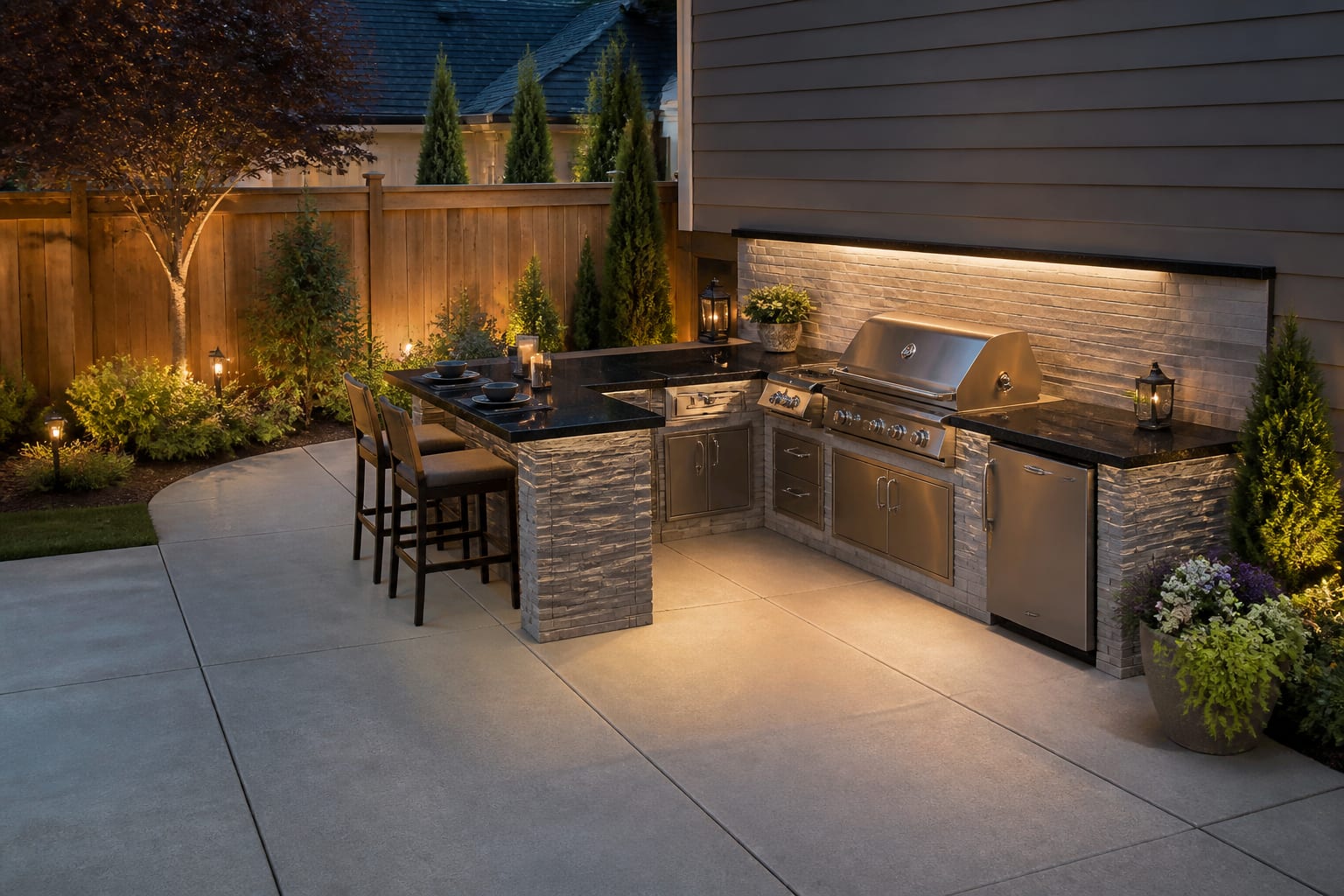
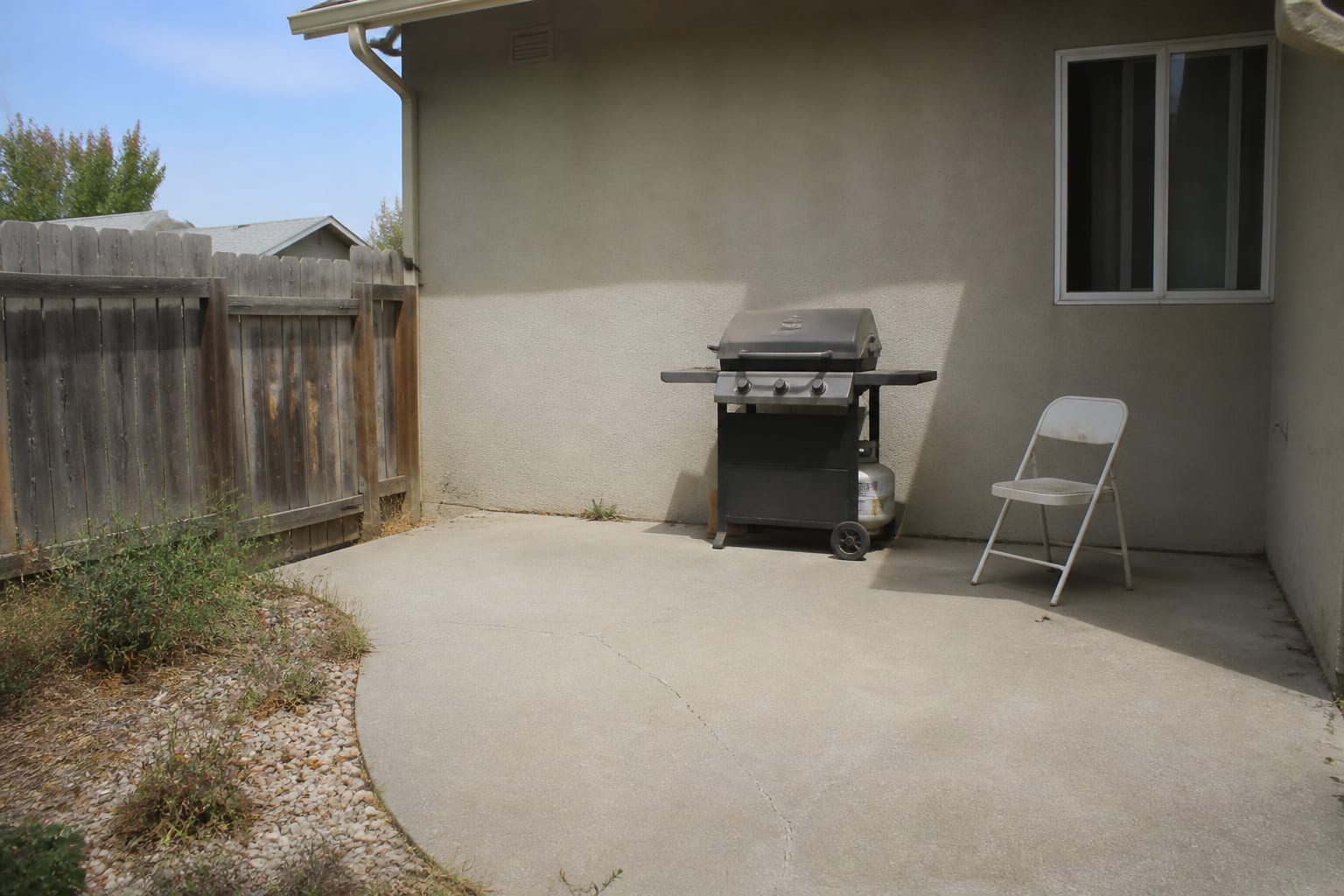
The appliances are not what blow up an outdoor kitchen budget; the utility runs are. Trenching gas, water, and electrical out to a far corner of the yard can cost more than the grill, counters, and cabinets combined. Plan your kitchen close to existing utility connections, and you can build the same setup for thousands less than a homeowner who placed theirs across the lawn for the view.
The three outdoor kitchen tiers
Outdoor kitchens sort cleanly into three budget tiers, and knowing which one you actually want prevents an ugly bout of sticker shock. The basic tier, $3,000 to $8,000, is a grill island: masonry or modular cabinetry, a built-in gas grill, a stretch of counter, and maybe a storage door. It needs no plumbing and often runs off a propane tank, which keeps the installation simple, fast, and easy on a permit application. Many basic islands are prefabricated modular units you can assemble in a day, which is what makes this tier the entry point for most homeowners. Spend here and you still get a real cooking station, just without the plumbing and electrical that define the next step up.
The mid-range tier, $10,000 to $20,000, is where a grill becomes a genuine kitchen. You add a side burner, a refrigerator, a sink with water and drainage, durable stone counters, and a dedicated gas line and electrical circuit. The luxury tier starts near $30,000 and runs past $75,000, adding a pizza oven, a smoker, a vent hood, premium appliances, and often a roof or full pavilion overhead. That structure alone can account for a quarter of the budget on the high end. Before you lock in a tier, picture the finished kitchen against your house and patio, since a sprawling build can overwhelm a compact yard and crowd out the seating that makes it worth using.
The jump between tiers is rarely smooth, because crossing from one to the next usually trips a new requirement. Adding a sink pulls in plumbing and a permit; adding a refrigerator pulls in a dedicated circuit; adding a roof pulls in framing and sometimes an engineer's stamp. Each of those is a step change, not a gentle slope, which is why a kitchen that started as a simple grill island can balloon once a single ambitious feature gets added. Knowing where those thresholds sit lets you stop one notch below the one that breaks your budget.
A mid-range outdoor kitchen budget
The $10,000 to $20,000 tier is the most popular by a wide margin, so it is the one worth breaking down in detail. Here is where a typical mid-range build spends its money:
- Cabinetry and framing: $2,000 to $5,000 in masonry, stainless, or weatherproof modular units.
- Built-in grill and side burner: $1,500 to $5,000 depending on brand and cooking size.
- Refrigerator and storage: $800 to $2,500 for a properly outdoor-rated unit.
- Countertops: $1,000 to $4,000, with granite and poured concrete at the higher end.
- Utility runs for gas, water, and power: $1,500 to $6,000 based on trench length.
For a typical 10-foot L-shaped layout, that totals roughly $11,000 to $18,000 once everything is connected and inspected. Adding a sink with a drain line is one of the larger single jumps, since outdoor plumbing must be sloped, vented, and protected from freezing in cold climates. Appliance brand also matters more than people expect, since a premium built-in grill can cost three times what a serviceable one does.
Do not overlook the soft costs that surround the hardware. A finished kitchen wants task lighting over the cooktop, weatherproof outlets for small appliances, and a covered spot for a propane tank or a gas shutoff. Seating is its own budget line, whether that means a counter overhang with stools or a separate dining set nearby, and it is the difference between a cooking station and a place people actually gather. Materials should also match your climate, since dark granite bakes in full southern sun while lighter stone and stainless stay usable through a summer afternoon. Spend a little here and the kitchen earns its cost in evenings spent outside.
Common mistakes to avoid
The most expensive misstep is locating the kitchen far from your home's existing utilities. Every extra 20 feet of gas, water, and electrical trenching adds real cost and slows the whole build, so anchor the kitchen near the house wall whenever the layout allows it. Convenience and budget usually point to the exact same spot. Running a long line also means tearing up lawn or hardscape to bury it, and restoring that surface is its own line item people forget when they fall in love with a far corner of the yard.
Homeowners also forget weather protection for the appliances. A grill is built for the outdoors, but a standard indoor refrigerator or an unsealed cabinet will fail fast, so specify outdoor-rated everything from the start. The premium for weather-rated units is real, often 20 to 40 percent over indoor equivalents, but it is far cheaper than replacing a rusted-out appliance after a single season. Counter space is the quiet regret; people obsess over the grill and end up with nowhere to set a platter, so plan at least 36 inches of landing area on each side of the cooktop. Another avoidable mistake is choosing appliances before the layout is final, since a 36-inch grill bought on sale can force awkward cabinet dimensions and waste counter run. Owners in cold climates also overlook winterization, because uninsulated water lines crack the first hard freeze, so plan a shutoff and drain from the start rather than after the first burst pipe. A solid, level surface underfoot matters too, and pairing the kitchen with a proper patio keeps cabinetry square and dry through the seasons. Many owners add shade, and a pergola over the cooking zone tames sun and rain without the cost of a full pavilion, especially if you compare a 2026 build budget before deciding between buying and building one.
Preview your outdoor kitchen in Re-Design
Frequently Asked Questions
How much does a basic outdoor kitchen cost? A basic grill island runs $3,000 to $8,000, covering cabinetry, a built-in gas grill, and a stretch of counter. It typically skips plumbing and runs on propane, which keeps the install fast and affordable. Adding a sink or a built-in refrigerator pushes you into the next tier.
What makes outdoor kitchens so expensive? Utility runs and structure drive the cost far more than the appliances do. Trenching gas, water, and electrical can add $1,500 to $10,000, and a roof or pavilion adds thousands more on top. Premium counters and outdoor-rated appliances round out the bigger budgets.
Do I need a permit to build an outdoor kitchen? Usually yes, especially when gas, water, or electrical work is involved. Permit and inspection fees vary widely by city, and licensed trades are often required for the utility hookups. Confirm your local rules before construction starts.