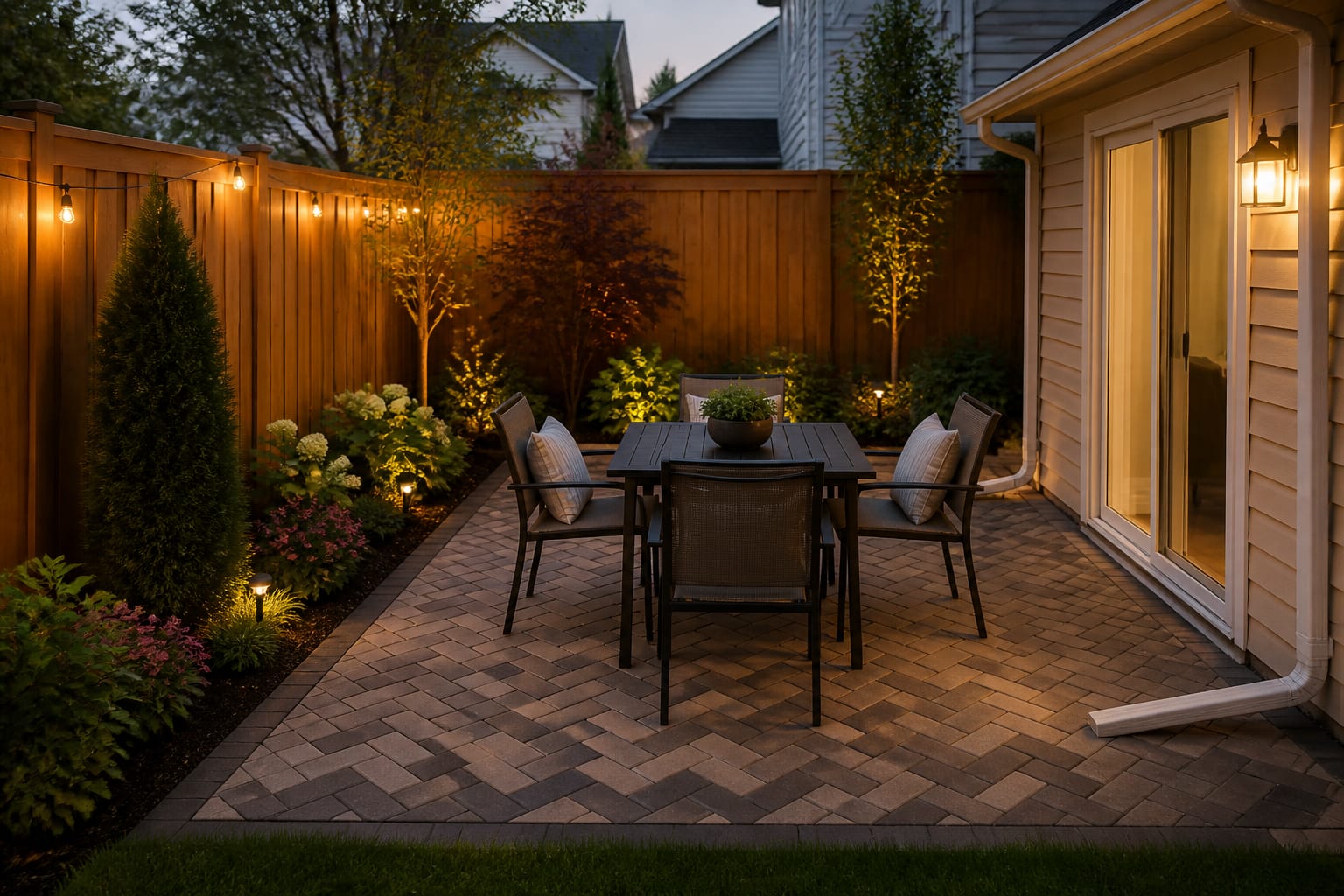
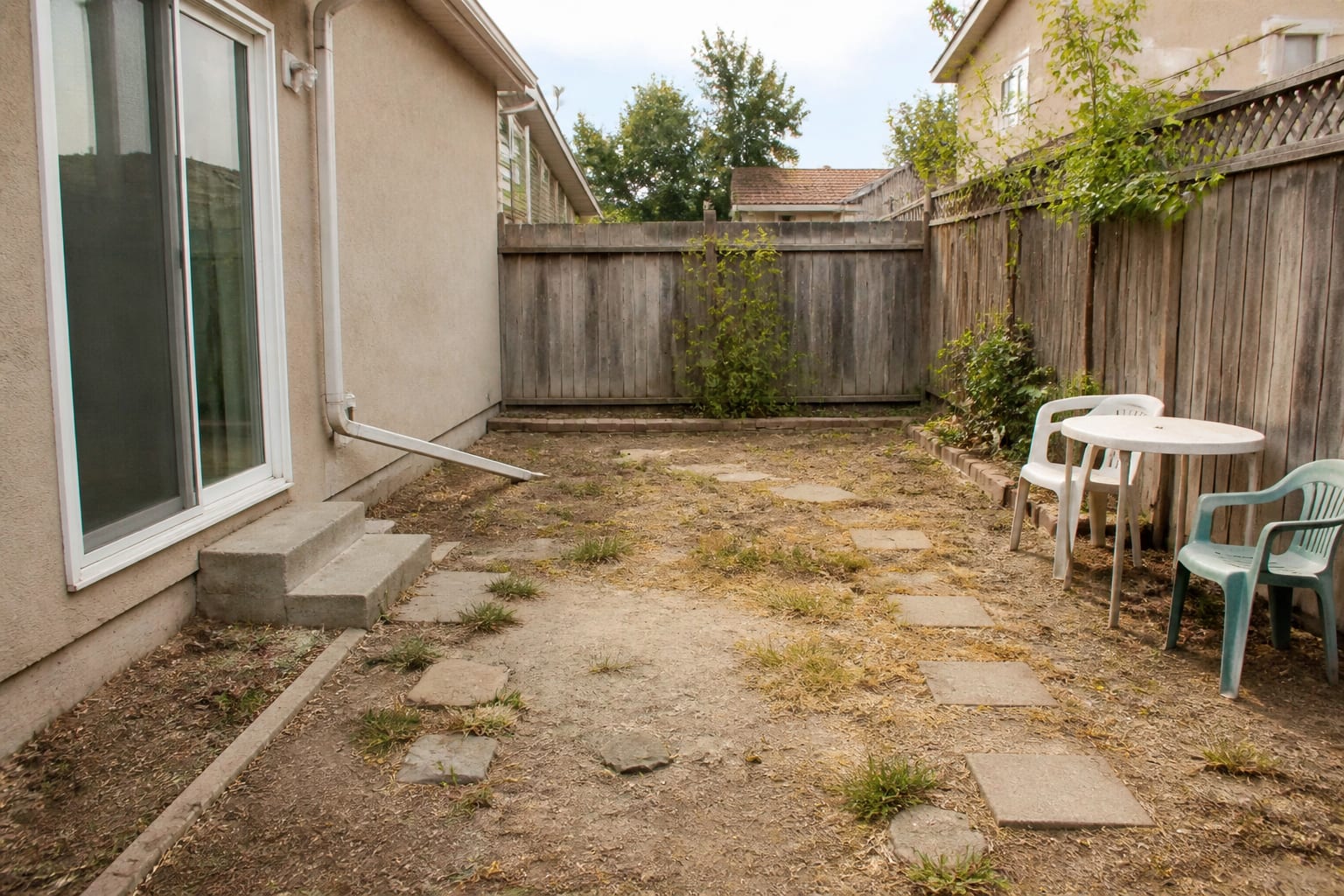
Most homeowners overpay for a patio because they shop by surface material and ignore the base underneath it. The compacted gravel and drainage you cannot see drive durability far more than the pretty pavers on top, and skimping there is the single fastest way to crack a brand-new patio. Spend your budget from the ground up, not the top down, and the surface you chose will still look sharp a decade later.
How patio material drives the total price
The surface you choose sets the baseline, and the gap between the cheapest and most expensive option is wide enough to change the whole project. Poured concrete is the value leader at $8 to $18 per square foot installed, and a stamped or colored finish pushes you toward the high end of that range. Concrete pavers cost $14 to $30 per square foot because every unit is set by hand and the pattern takes real time to lay out and trim. Natural stone like flagstone or bluestone commands $20 to $45 per square foot, reflecting both the raw material and the skilled labor it takes to fit irregular pieces tightly without ugly gaps.
Gravel sits at the bottom at roughly $5 to $10 per square foot, which makes it tempting, but loose stone migrates without steel or composite edging and a properly compacted sub-base. Brick falls between concrete and stone, usually $16 to $32 per square foot, and its classic look ages gracefully on traditional homes. Each material also carries a different lifespan: a quality paver patio can last 30 years with the occasional re-leveling, while a thin concrete slab poured over poor soil may crack within five. Resale value tracks that durability, since buyers read a settled, weed-choked patio as deferred maintenance and price it accordingly. Maintenance habits differ too, as pavers want a fresh joint-sand top-up every few years while stamped concrete needs resealing to keep its color from fading under direct sun. Before you commit, picture the finished surface against your house siding and trim, since a material that fights your home's color reads as a mistake no matter how much you spent on it.
A realistic patio budget, line by line
A 300 square foot patio is a common starting point, and breaking the cost into parts makes any contractor quote far easier to read and compare. Here is where the money actually goes on a mid-grade paver job:
- Excavation and haul-away: $1.50 to $4 per square foot, more if you hit clay or roots.
- Compacted gravel and sand base: $3 to $6 per square foot, the layer that prevents heaving.
- Paver material: $4 to $12 per square foot depending on style, color, and thickness.
- Installation labor: $6 to $14 per square foot for cutting, setting, and leveling each unit.
- Polymeric sand and sealing: $1 to $3 per square foot to lock joints and resist weeds.
For that 300 square foot example, expect roughly $4,200 to $9,000 all in for a paver patio of average complexity. Doubling the size to 600 square feet rarely doubles the price, since mobilization, delivery, and equipment costs spread across more area, often dropping your effective per-foot rate by 10 to 15 percent. Curves, multiple levels, and built-in seat walls move you the other direction, since each adds cutting time and material waste. Get at least three itemized bids so you can see exactly which line a high quote is padding.
Region plays a quiet role too. Labor rates in a major metro can run double what a rural crew charges, and that single variable can shift your 300 square foot total by $1,500 or more. Season matters as well, since booking a patio in early spring often beats the summer rush and the premium pricing that comes with a packed installer calendar. Material delivery fees deserve a line on every quote, because heavy stone hauled to a hard-to-reach lot can quietly tack on hundreds before a single piece is set.
Common mistakes to avoid
The most common error is treating base prep as optional. A patio set on bare soil or a thin gravel layer will heave, settle, and crack within a few freeze-thaw cycles, and the repair costs more than the prep would have in the first place. Insist on at least 4 to 6 inches of compacted base for pavers and 4 inches of reinforced concrete for a slab, and ask the crew to show you the depth before they cover it.
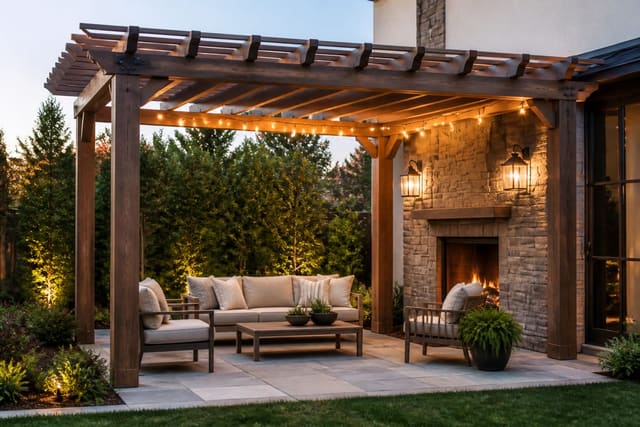
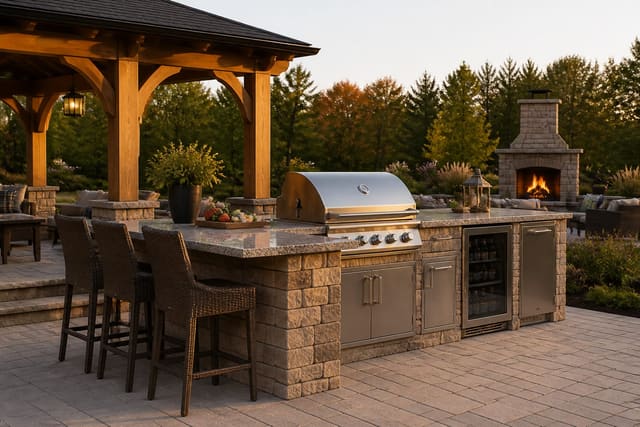
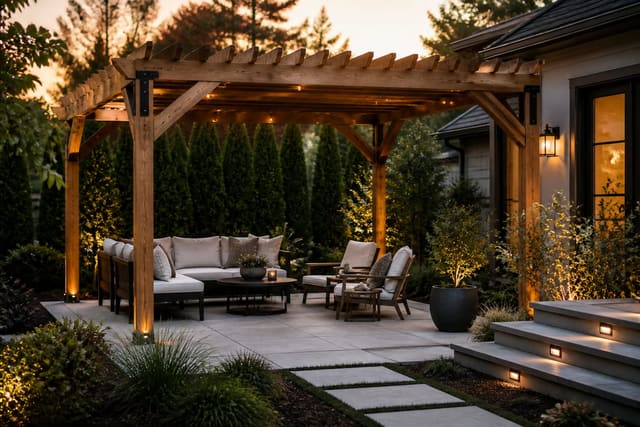
The second mistake is ignoring drainage and slope. A patio needs roughly a quarter inch of fall per foot away from the house, or water pools against your foundation and eventually seeps into the basement. Crews sometimes set this fall incorrectly toward a downspout or a low neighbor's yard, so confirm the direction of the slope before the base is locked in, since reworking it later means lifting half the surface. Homeowners also underestimate access costs; if a wheelbarrow cannot reach the backyard, crews carry material by hand and your labor bill climbs fast. Tight side-yard gates and steep grades are the usual culprits, so walk the route with your installer before signing anything. Another trap is buying the cheapest pavers and discovering they fade or spall within a few seasons, so check the manufacturer warranty before you save a dollar per foot. Finally, do not pour a slab yourself unless you have poured before, because a botched concrete pour is nearly impossible to fix and almost always gets demolished and redone. If you want a shade structure overhead, factor it early, since a pergola needs footings that are far cheaper to set before the patio surface goes down, and a phased 2026 build budget can guide that timing. The same logic applies to an outdoor kitchen, whose gas and water lines should be trenched before any pavers are laid.
Preview your patio in Re-Design
Frequently Asked Questions
How much does a 200 square foot patio cost to install? At typical mid-grade paver pricing of $14 to $30 per square foot, a 200 square foot patio runs about $2,800 to $6,000 installed. A poured concrete version of the same size lands closer to $1,600 to $3,600. Difficult access or premium stone can push either figure higher.
Is it cheaper to pour concrete or lay pavers? Concrete is cheaper up front, often by 30 to 50 percent compared to pavers. Pavers cost more but let you replace single damaged units and resist cracking from ground movement, which can make them cheaper over a 20-year lifespan. Your climate and how long you plan to stay should decide it.
Can I install a patio myself to save money? Yes, for gravel and paver patios on a simple rectangular footprint, doing it yourself can cut total cost by 40 to 60 percent. The work is heavy and the base prep is unforgiving, so rent a plate compactor and budget a full weekend. Skip the DIY route entirely for poured concrete slabs.