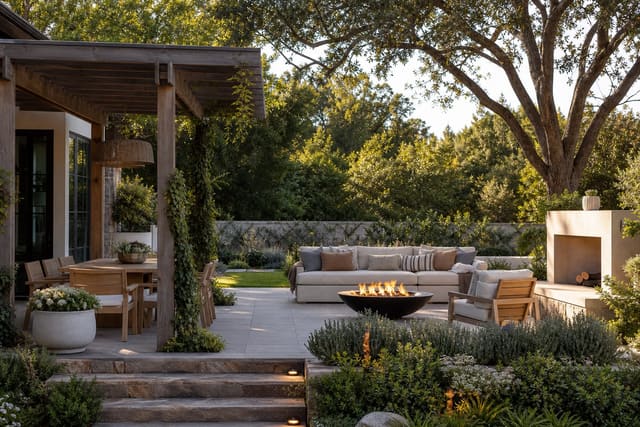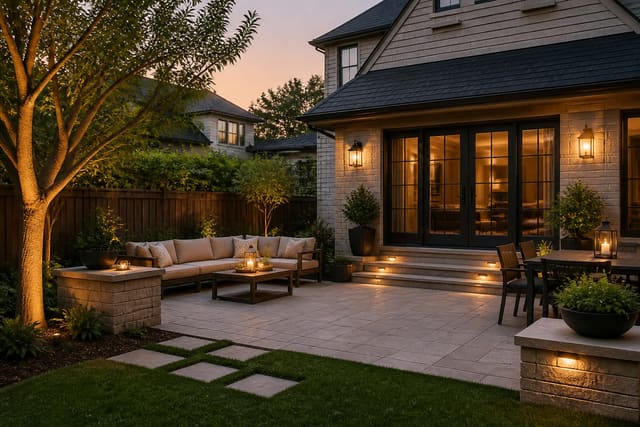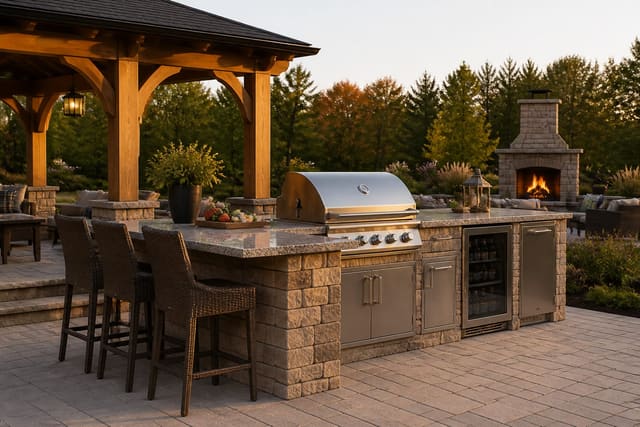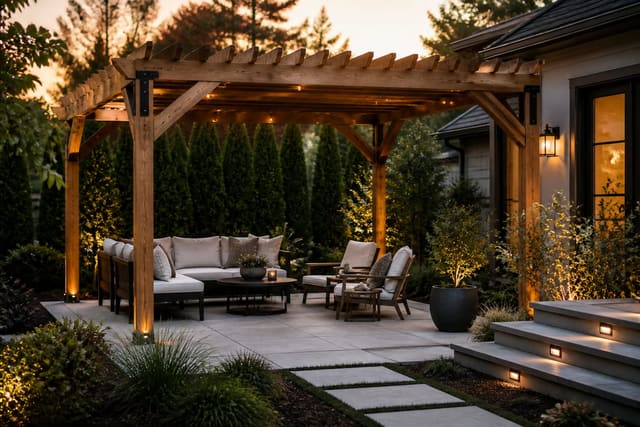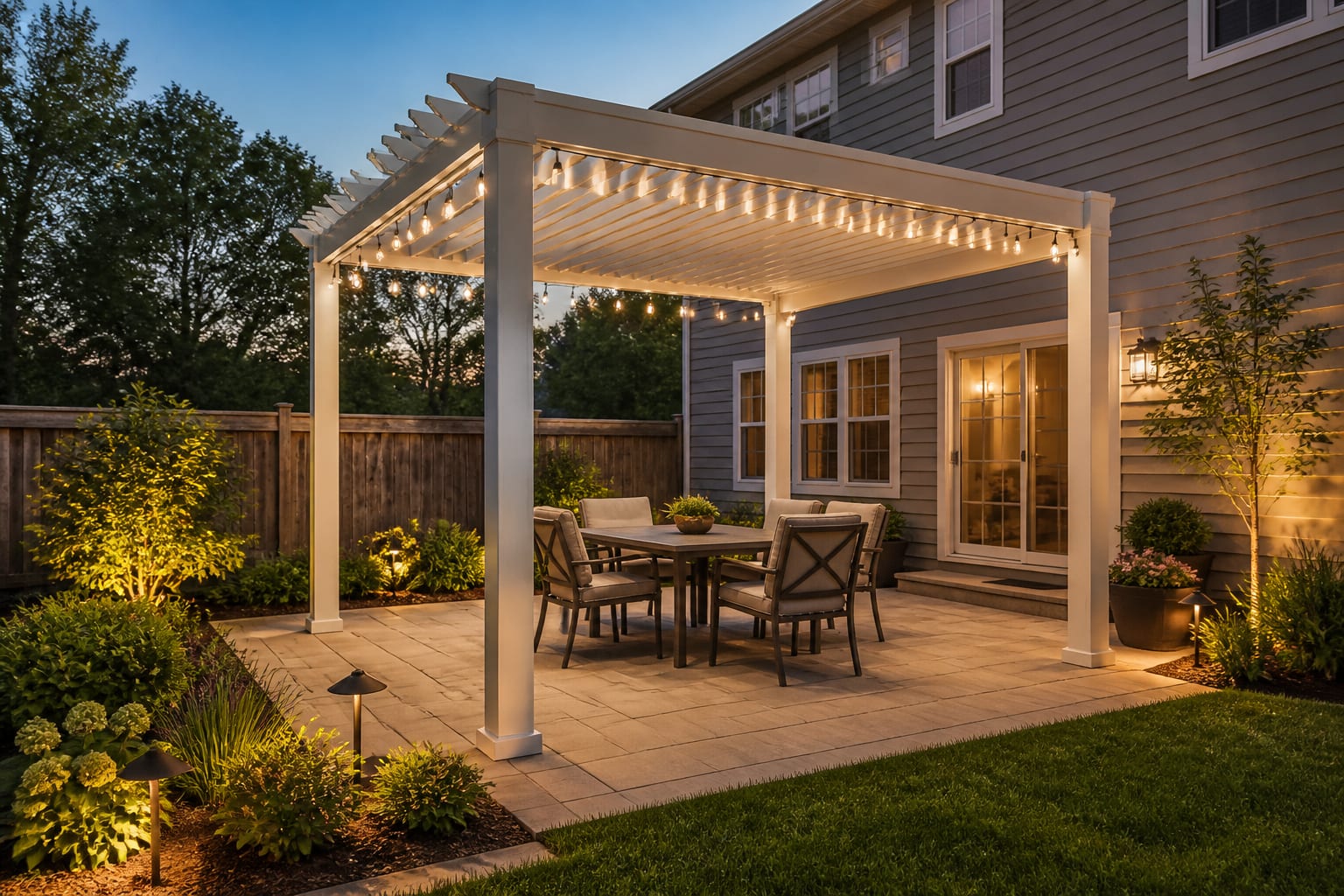
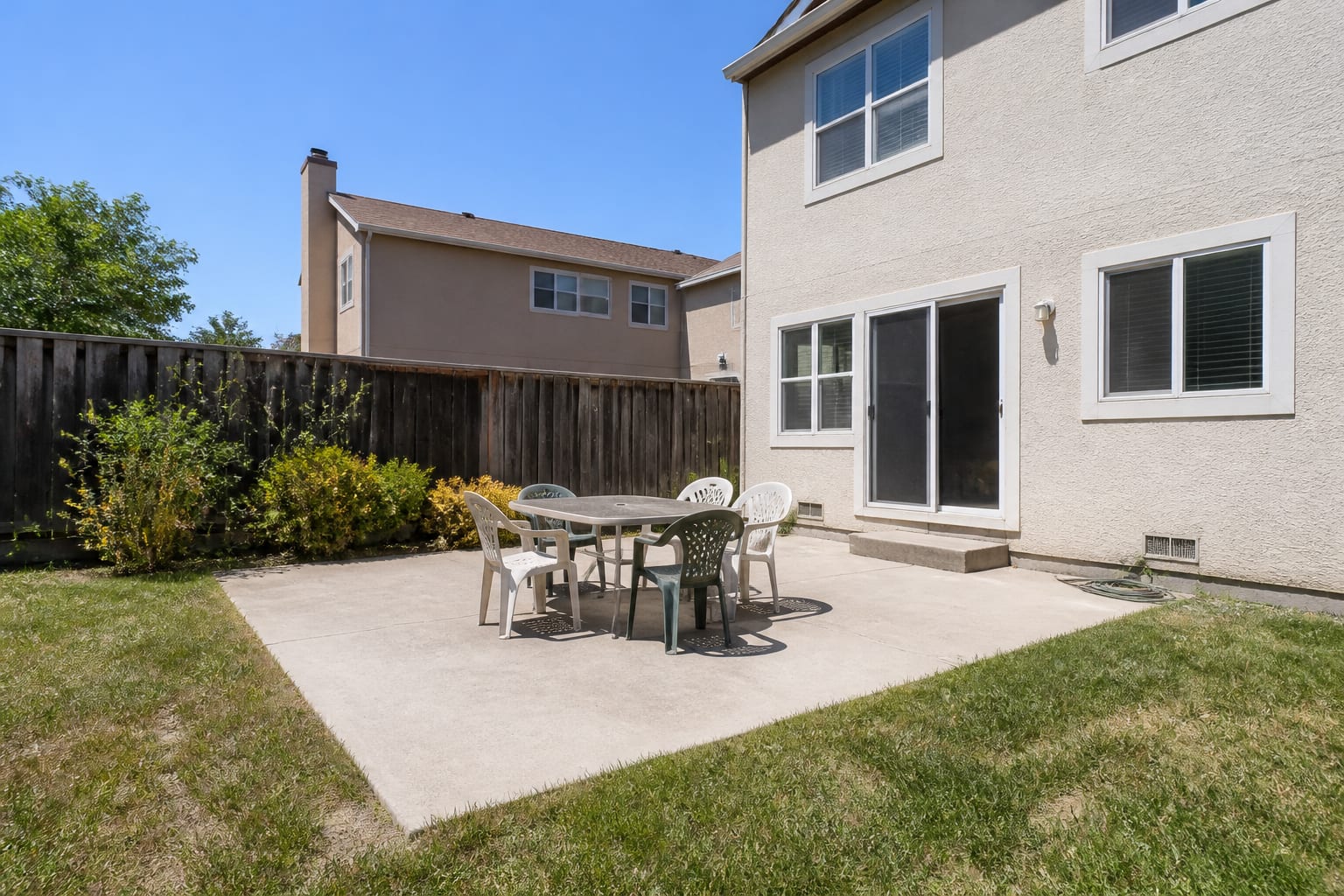
Aluminum has quietly become the smartest pergola buy for most homeowners, and the reason is maintenance, not just the sticker price. A wood pergola looks gorgeous on installation day and then demands sanding and resealing every two to three years, while aluminum holds its factory finish for decades. Choose the material you will still love after the third summer of upkeep, not the one that wins your eye in the showroom.
How material shapes pergola pricing
The frame material accounts for most of the spread between a budget pergola and a luxury one, so it is the first decision worth making carefully. Pressure-treated pine is the entry point at $2,000 to $5,000 installed, but it twists, checks, and grays unless you stay disciplined about sealing it. Cedar steps up to $4,000 to $9,000 and brings natural rot resistance plus a warmer grain that takes stain beautifully and ages into a soft silver if you let it. Both wood options reward owners who genuinely enjoy maintenance and quietly punish those who do not.
Vinyl and aluminum occupy the practical middle at $5,000 to $12,000, trading some of wood's organic character for finishes that shrug off rain, harsh sun, and insects without complaint. Aluminum in particular spans wide openings without bulky posts, which keeps sightlines clean and the structure feeling light. Fiberglass tops the range at $8,000 to $20,000 because it can stretch a 20-foot beam without sagging and accepts paint like a piece of fine furniture. It is also the lightest material relative to its strength, which can simplify installation on a deck where weight matters. The tradeoff is cost per square foot, so most homeowners reserve fiberglass for long, unbroken spans where wood or vinyl would need an extra post. Color and post style matter as much as the material itself, since a chunky dark frame reads very differently than a slim white one. Picture each option framed against your house before deciding, because a structure that clashes with your roofline undercuts whatever you paid for it.
Think about how you plan to dress the pergola, because the material limits your options. Wood and aluminum both hold screw-in hooks for string lights, hanging plants, and retractable shade canopies, while vinyl can crack if you over-drive a fastener into it. Climbing vines like wisteria or climbing roses look spectacular on a sturdy cedar frame, yet their weight and moisture can shorten the life of a lighter structure. Match the material to the look you actually want five years out, not just the one you want on day one, and you avoid paying twice for the same shade.
A pergola budget broken into parts
A standard 12 by 12 foot pergola is the most quoted size, and seeing the cost in pieces clarifies any estimate you receive. Here is how a mid-grade aluminum project typically divides up:
- Structure and posts: $2,500 to $6,000 depending on material, span, and post profile.
- Footings and anchoring: $400 to $1,200 for concrete piers or rated surface mounts.
- Delivery and crane or lift fees: $200 to $800 for heavier prebuilt units.
- Assembly labor: $1,000 to $3,000 for a two-person crew over one to two days.
- Permit and inspection: $150 to $500 in most municipalities.
For that 12 by 12 footprint, plan on roughly $5,000 to $9,000 fully installed in aluminum, with cedar landing a touch lower and fiberglass noticeably higher. Larger 16 by 20 structures climb toward $9,000 to $15,000, since material and labor both scale with span and the number of posts you need to anchor. Attached pergolas that tie into the house add a ledger board and flashing work, which raises both cost and the importance of correct waterproofing. Add-ons climb the total quickly: a retractable canopy runs $500 to $1,500, integrated LED lighting adds $300 to $1,200, and a privacy screen wall along one side can add another $800 to $2,500. None of these are necessary, but each one changes the final invoice enough that you should decide on them before signing a contract rather than bolting them on later at a premium.
Common mistakes to avoid
The biggest misstep is buying a kit sized for a patio you have not actually measured. A pergola that generously overhangs the seating area looks intentional and finished; one that floats short of the table looks like an error you will notice every single day. Measure your furniture footprint and add at least 2 feet of overhang on each side before you settle on a size.
Owners also skip proper footings to save a few hundred dollars, then watch a freestanding pergola rack and lean after the first real windstorm. Anchor every post to concrete or a rated surface mount, with no exceptions. A related error is ignoring wind exposure, since a pergola on an open hilltop faces loads a sheltered courtyard never will, and the anchoring spec should reflect that. Another trap is underestimating wood maintenance; that $3,000 cedar bargain costs you a weekend and $150 in stain every couple of years for its entire life. People also forget to check homeowner association rules, which in some neighborhoods cap structure height or dictate approved colors and can stall a project for weeks. Coordinate the structure with the surface beneath it, because setting posts is cheaper and cleaner before a patio goes in rather than cutting into finished pavers afterward. People who want to add a cooking zone nearby should price that too, since an outdoor kitchen under a pergola needs its utility runs roughed in before the posts go up. If you lean toward building rather than buying, our 2026 build cost breakdown covers footings, labor, and permits in detail. Finally, do not assume bigger is always better, since an oversized pergola can dwarf a modest yard and swallow the very space it was meant to define.
Preview your pergola in Re-Design
Frequently Asked Questions
What is the cheapest pergola material? Pressure-treated pine is the least expensive at $2,000 to $5,000 installed for a standard size. It carries the lowest sticker price but the highest long-term upkeep, since it needs sealing every two to three years. Cedar costs more up front but ages with far less effort.
Is a pergola kit worth it over a custom build? For standard rectangular sizes, a kit can save 40 to 50 percent and still look polished once it is assembled. Custom builds make sense only when you need an unusual span, an attached design, or premium joinery. Most homeowners are well served by a quality kit.
Do I need a permit for a pergola? Many jurisdictions require one for any freestanding structure over a certain height or square footage, often around 120 square feet. Permit fees usually run $150 to $500 and an inspection confirms safe anchoring. Always check your local rules before you buy.