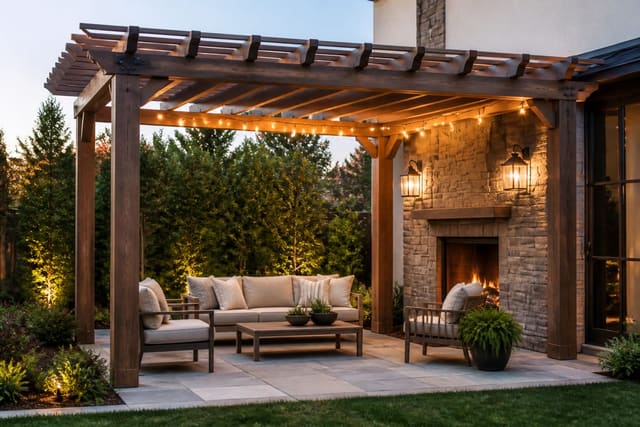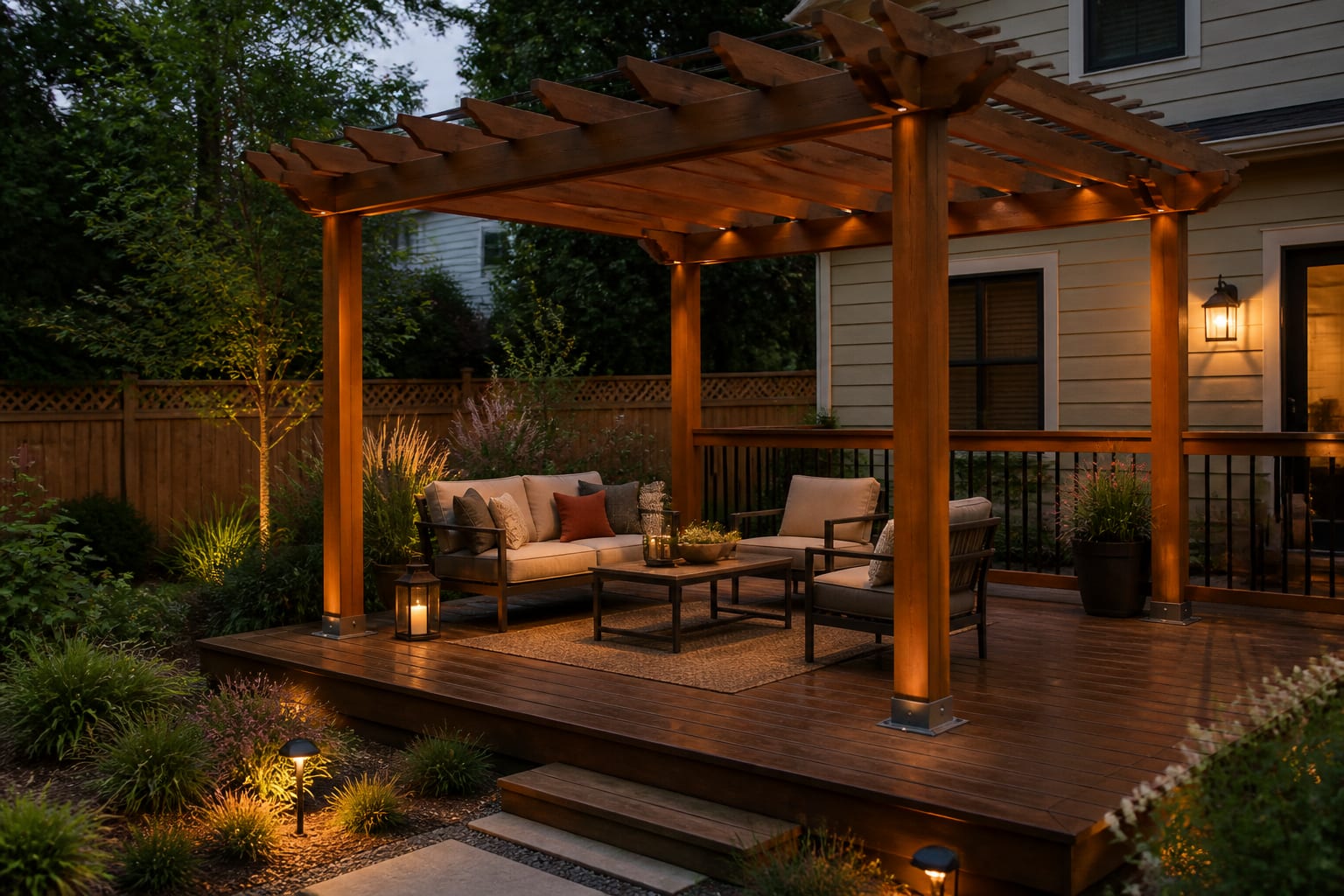
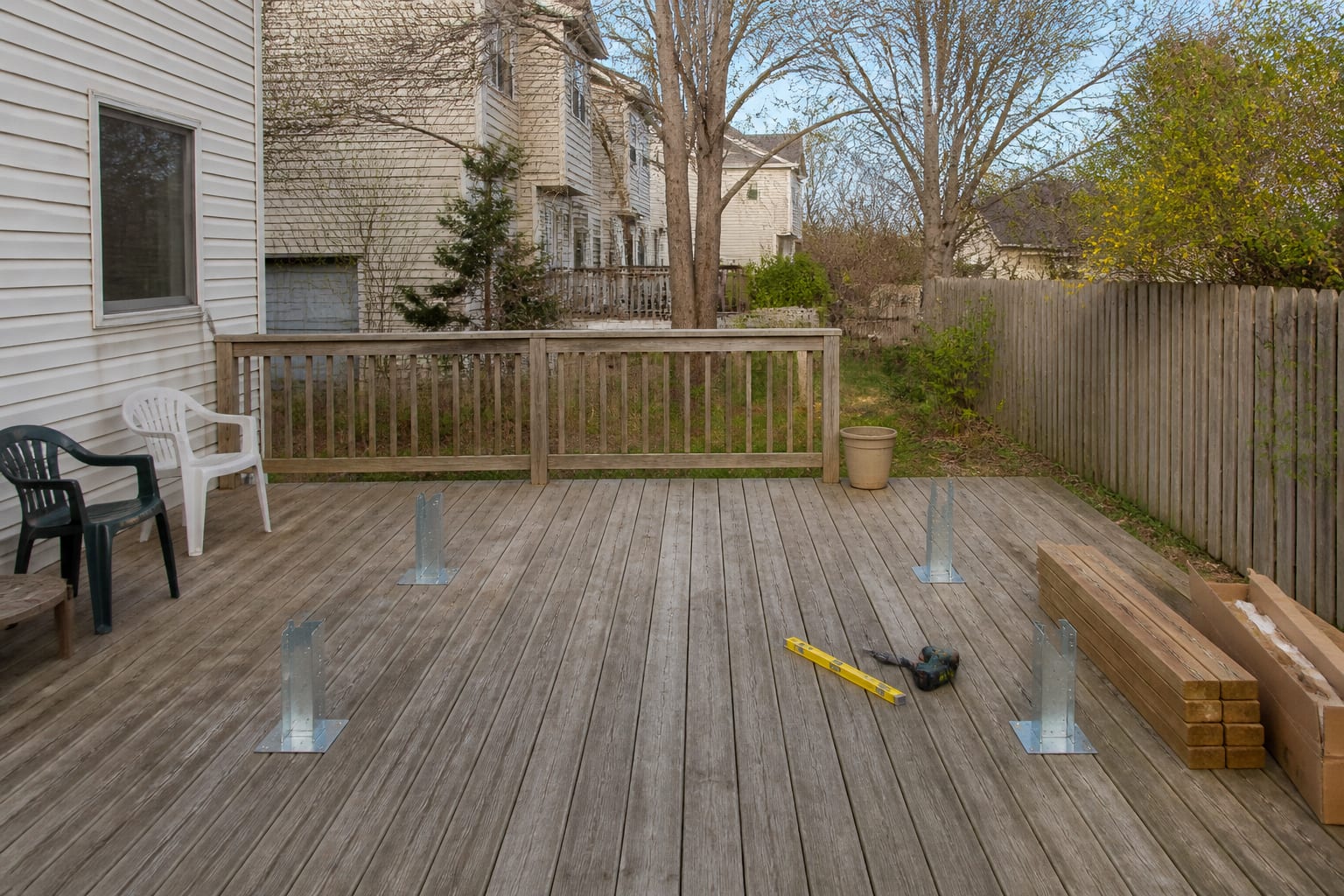
If you can run a drill and read a level, a do-it-yourself pergola kit is the best value in the 2026 backyard market. Lumber and aluminum prices have finally stabilized after several volatile years, while contractor labor keeps climbing, which widens the gap between building it yourself and paying a crew. A confident weekend builder can pocket those labor savings and put them straight toward a louvered roof or integrated lighting instead.
What a 2026 pergola build actually costs
Building rather than buying a preassembled unit changes the entire math, and 2026 pricing clearly rewards the do-it-yourself route. A bolt-together kit, whether wood or aluminum, lands at $1,500 to $6,000 for materials, with the spread driven by span, finish, and hardware quality. After a few years of wild swings, lumber has settled into a calmer band, with pressure-treated stock around $4 to $8 per board foot and cedar commanding a clear premium above that. Aluminum kit pricing has held remarkably steady as global supply chains normalized through the prior year. Hardware and fastener costs, which used to swing with steel prices, have also calmed, so the small parts that round out a build no longer add a surprise line to the receipt. The upshot is that a 2026 material quote is more predictable than it has been in several seasons, which makes budgeting a DIY build far easier than it was.
The real decision point is labor, and this is where the 2026 calendar matters. A contractor build for the very same kit adds $1,500 to $4,000, reflecting a two-person crew, equipment, mobilization, and a one-to-two-day timeline at this year's higher trade rates. That labor premium is exactly what a capable owner sidesteps by swinging the hammer themselves. If your design needs custom joinery, an attached ledger bolted to the house, or a clear span beyond 16 feet, paying a pro becomes the safer and often the only sane call. For everything simpler than that, the build sits comfortably within reach of a focused weekend. Picture the finished structure against your house first, because correcting an out-of-scale build after assembly is painful, wasteful, and rarely cheap.
The 2026 kit market has matured in the homeowner's favor. Aluminum and steel kits now ship with pre-drilled brackets and clear hardware diagrams, which cuts the assembly learning curve dramatically compared to raw-lumber builds of a few years ago. A modern aluminum kit can go up in a single day for two people, while a from-scratch wood build still demands cutting, notching, and sealing across a longer weekend. If you value a predictable result over the craft of cutting your own rafters, the prebuilt kit route is where the 2026 value clearly sits.
A 2026 DIY build budget, item by item
Doing it yourself means buying the parts and supplying the muscle, so the budget looks different from a turnkey quote. Here is where a typical DIY kit build spends its money in 2026:
- Kit or lumber package: $1,500 to $5,000 for posts, beams, rafters, and hardware.
- Concrete and post bases: $150 to $500 for footings set below the local frost line.
- Tool rental: $100 to $300 for an auger, a long level, and an impact driver if needed.
- Permit and inspection: $150 to $500 depending entirely on your municipality.
- Stain, sealer, or touch-up paint: $80 to $250 for that first protective coat.
That puts a self-built standard pergola near $2,000 to $6,500 all in, before you start adding extras. The same project handed to a contractor lands closer to $4,000 to $10,000 once labor is folded in, so the weekend you invest is genuinely worth several thousand dollars. Renting tools instead of buying them keeps the DIY number honest, especially the auger you will use exactly once. Factor in delivery too, since a long lumber package or a heavy aluminum kit often carries a $100 to $250 freight charge that quotes love to bury. One honest line people forget is their own time, because a botched first attempt can cost a second weekend and a fresh order of hardware, which erases part of the labor you set out to save.
Common mistakes to avoid
The number one DIY error is setting footings too shallow for the climate. Posts must sit below the local frost line, often 24 to 48 inches deep, or winter heave will slowly lift and lean the whole structure out of square. Dig deep, set the bases in concrete, and let it cure fully before you load the frame with beams.
New builders also rush the post layout and end up with a frame that is out of square, an error that compounds at every single rafter down the line. Measure the diagonals and confirm they match exactly before any concrete starts to set, and brace the posts temporarily so they stay plumb while the footings cure. Skipping the permit is its own costly gamble, since an inspector who finds an unpermitted structure can order it torn down, and an undocumented build can snag a future home sale. Budget creep is the other recurring trap: add-ons stack up faster than people expect, since a louvered adjustable roof can add $4,000 or more, lighting and ceiling fans add hundreds, and a wind-rated structural upgrade adds even more. Decide on every add-on before you order so footings and wiring get roughed in correctly the first time. Coordinate the surface below as well, since post bases sit cleaner when they are planned alongside a patio rather than retrofitted later. If you would rather compare finished materials and shapes than focus on the build mechanics, a broader pergola comparison covers cedar, vinyl, and fiberglass side by side, and homeowners adding a cooking zone should also price an outdoor kitchen before the posts go in.
Preview your pergola build in Re-Design
Frequently Asked Questions
How much does it cost to build a pergola in 2026? A DIY kit build runs $2,000 to $6,500 all in, including materials, footings, permits, and the first coat of finish. Hiring a contractor pushes the total to $4,000 to $10,000 once labor is added. Add-ons like a louvered roof can lift either figure substantially.
Is it cheaper to build a pergola yourself in 2026? Yes, for a standard bolt-together kit on a simple footprint, doing it yourself saves the $1,500 to $4,000 a contractor charges in labor. The work spans one to two weekends and demands accurate, frost-depth footings. Hire out custom joinery or large attached spans.
How long does a DIY pergola build take? Most standard kit builds take one to two weekends for two people, plus a day for the concrete to cure between setting posts and loading the frame. Permitting and inspection can add a week or two on the calendar. Rushing the footing cure is the fastest way to ruin the result.