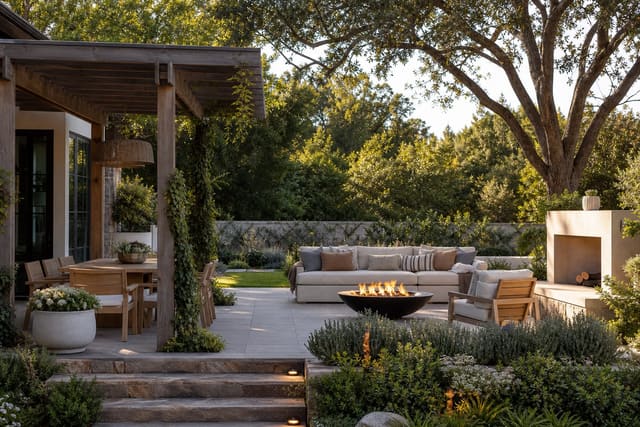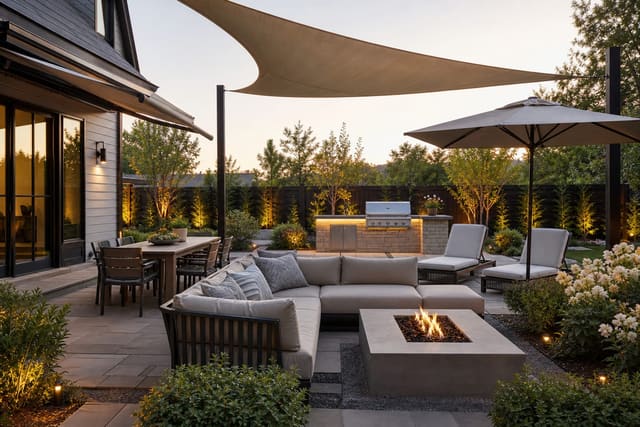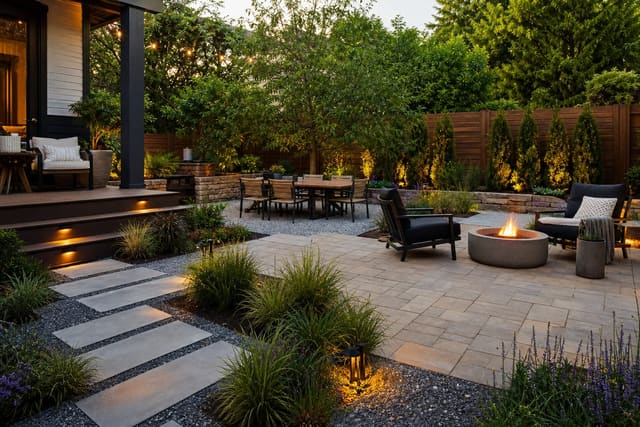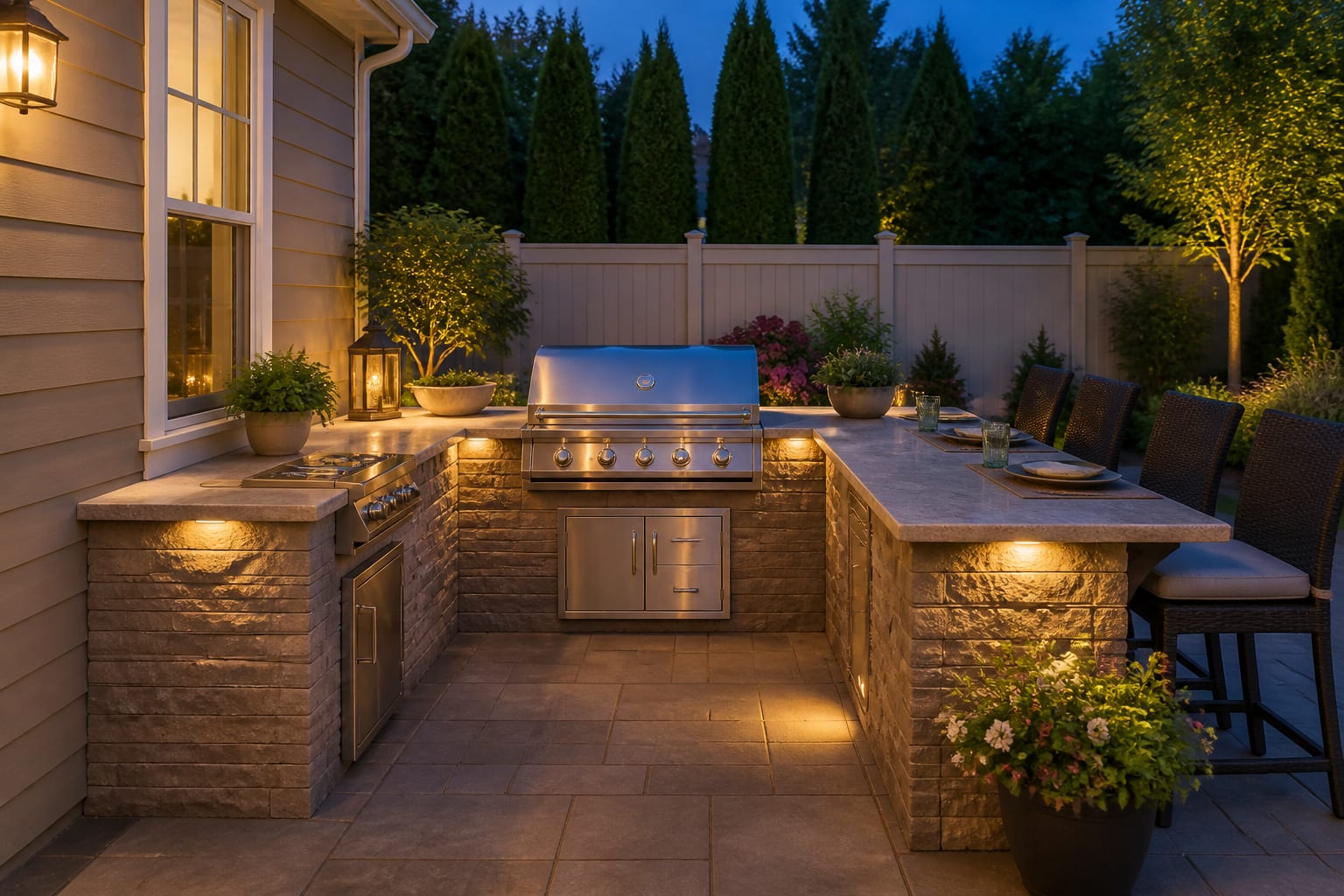
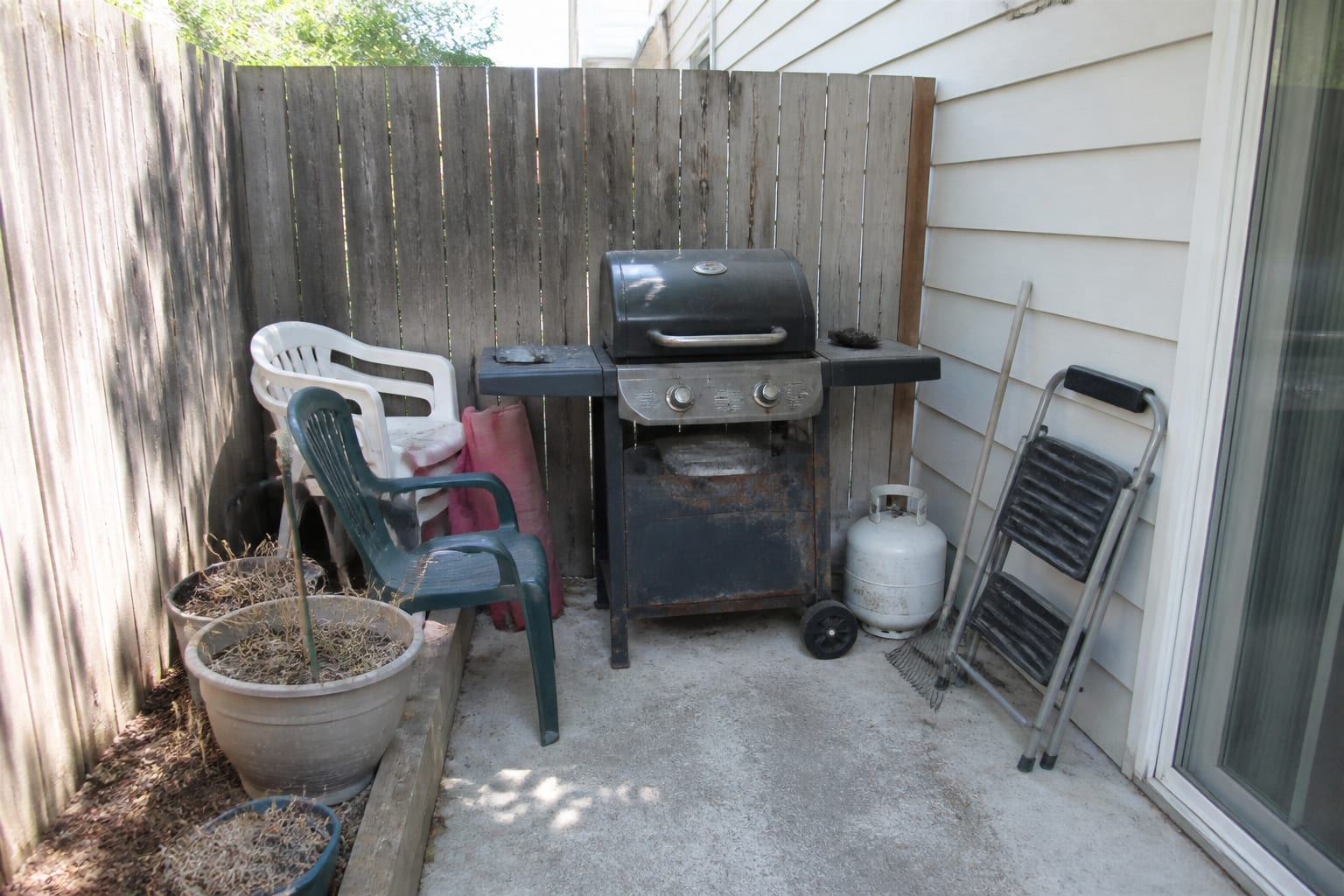
The best grill type for an outdoor kitchen is gas for most builds, because a built-in gas grill delivers fast, reliable heat with near-zero cleanup, and a built-in island rewards convenience over ritual. My read is that the romance of charcoal fades fast once you are scrubbing an ash pan in a $15,000 stone island every weekend.
I think the honest move is to match the grill to how you cook, not how you imagine you cook. If you grill burgers on a Tuesday, gas wins. If you live for low-and-slow brisket, pellet earns its keep. Charcoal is the purist's pick with a real upkeep tax. Here is the three-way comparison on the numbers that matter once the grill is plumbed into a permanent island.
How gas, charcoal, and pellet compare
The table below stacks the three fuel types on the factors that decide a built-in outdoor kitchen, not a portable grill you wheel into the garage.
| Factor | Gas | Charcoal | Pellet | |---|---|---|---| | Upfront cost | $1,500-$5,000 | $300-$2,000 | $800-$3,000 | | Heat-up time | 10 min | 20-30 min | 10-15 min | | Max temp | ~550 F | 700+ F | ~450 F | | Flavor | Clean, mild | Deep smoke char | Rich wood smoke | | Cleanup | Minimal | Ash every cook | Empty hopper, ash | | Best at | Weeknight speed | High-heat searing | Low-and-slow smoking |
The table exposes the real trade. Gas wins convenience and loses smoke flavor. Charcoal wins searing heat and char but taxes you on time and cleanup. Pellet splits the difference with set-it temperature control and genuine wood smoke, at the cost of a top-end sear. For a built-in island used several nights a week, the convenience column quietly decides most purchases.
Gas: the built-in default
Gas is the grill most outdoor kitchens are built around, and the reasoning is practical rather than snobbish. A built-in gas grill reaches cooking temperature in about ten minutes, holds steady heat across multiple burners, and shuts off clean with no ash pan to empty. Run it off a fixed natural-gas line and you never haul a propane tank again, which is the single best upgrade a permanent island offers over a portable cart.
The knock on gas is flavor. It produces a clean, mild result without the smoke char that charcoal fans chase, though a smoker box of wood chips narrows that gap more than purists admit. For a build, gas also pairs well with side burners and built-in storage, so the whole island works as one unit. As you lay out that island, the shade and traffic-flow logic in these outdoor shade ideas keeps the cook out of brutal afternoon sun while they work.
Charcoal and pellet: when the ritual is worth it
Charcoal earns its place for two things gas cannot match: searing heat past 700 degrees and that unmistakable smoke char on a steak. The cost is time and mess. You light a chimney 20 to 30 minutes before cooking, manage the airflow by hand, and shovel ash after most sessions, which is a real chore inside a stone island. Built-in charcoal models exist, but plan the island around easy ash access or you will resent it.
Pellet grills run on compressed hardwood pellets fed by an electric auger, and they hold a set temperature within 10 to 15 degrees for hours, which makes them superb for brisket, ribs, and anything low-and-slow. The trade is a lower ceiling: most pellets top out near 450 degrees, so a hard sear means a second step. A pellet build also needs a nearby outlet for the auger and fan. Weigh these realities before you commit:
- How often you cook on a weeknight versus a slow weekend smoke session.
- Whether you will actually empty an ash pan inside a finished island every week.
- If a dedicated electrical outlet is reachable for a pellet grill's electronics.
- How much a true 700-degree sear matters to the food you cook most.
The surface under all this matters too, since grease and embers fall, and the heat-tolerant options in these patio flooring ideas keep the cook zone safe and easy to clean.
Matching the grill to how you cook
A weeknight griller who wants burgers done before the kids melt down should build around gas; the ten-minute startup is the whole point. A weekend pitmaster chasing pulled pork and ribs should center the island on a pellet grill and add a small gas burner for speed. A steak obsessive who wants char above all should plan for charcoal and accept the ash tax as the price of the sear.
Many of the best outdoor kitchens hedge by building in two units: a gas grill for speed and a pellet smoker for weekends. If the budget allows it, that pairing covers every cook without forcing a compromise, and it is the setup I recommend most once an island passes $8,000.
Built-in logistics tip the choice as much as flavor does. A gas grill needs a gas line stubbed in or a tank cabinet vented to code, since trapped propane is a real hazard inside a sealed island. A pellet grill needs a weatherproof outlet within a few feet for its auger and controller, and the pellet hopper has to stay dry or the pellets swell and jam. Charcoal needs an ash drawer you can actually reach without dismantling the counter. Sort these access and utility details at the framing stage, because retrofitting a gas line or an outlet into finished stone costs far more than running it before the veneer goes on.
Use AI design to preview your outdoor kitchen before you build
A grill is one component of an island that costs as much as a kitchen remodel, and it is hard to picture the finished layout from a product page. Re-Design helps here: upload a photo of your patio and the AI design tool renders a full outdoor kitchen with the grill, counters, and seating in place so you can judge proportions before any stone gets set.
Try a few configurations on the same shot. Upload the photo, ask Re-Design to place a gas grill island in one corner, then a gas-plus-pellet layout along a wall, and compare the flow against your real doors and pathways. Seeing the island rendered at scale in your own yard catches the cramped clearances and awkward sightlines that a flat showroom photo always hides.