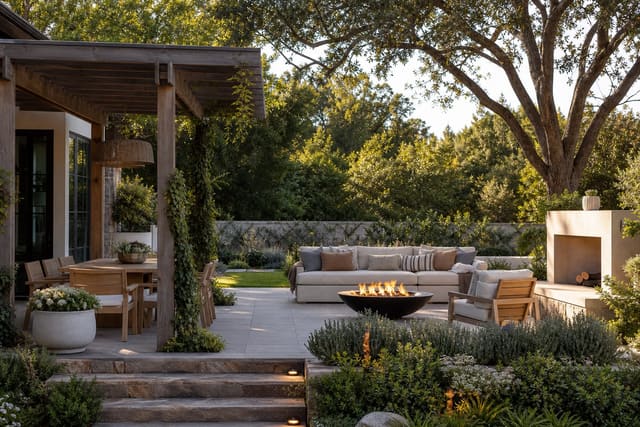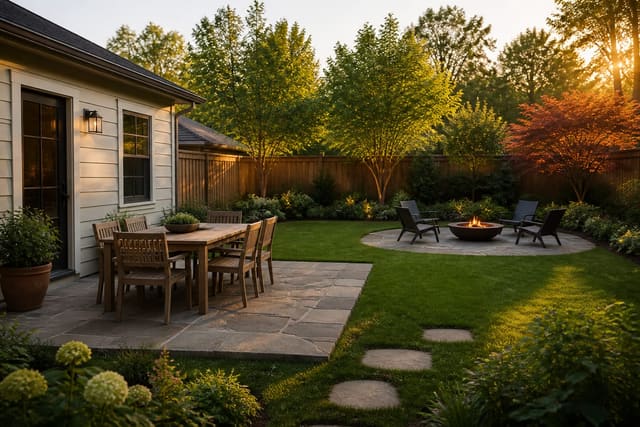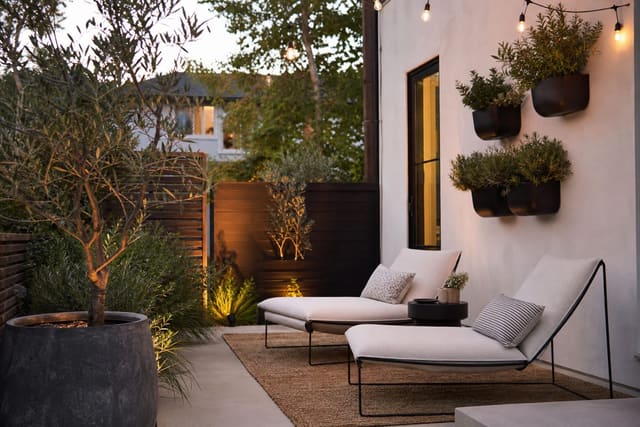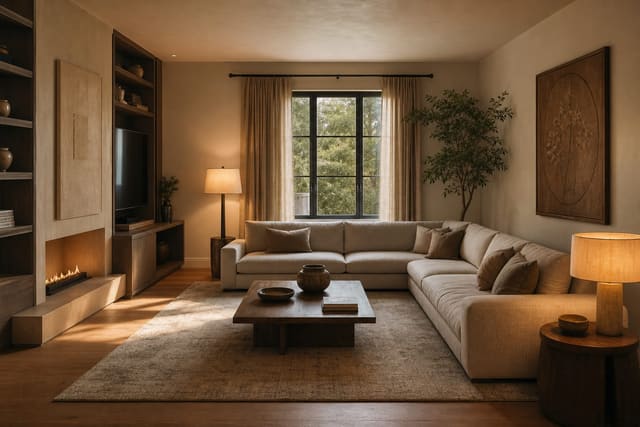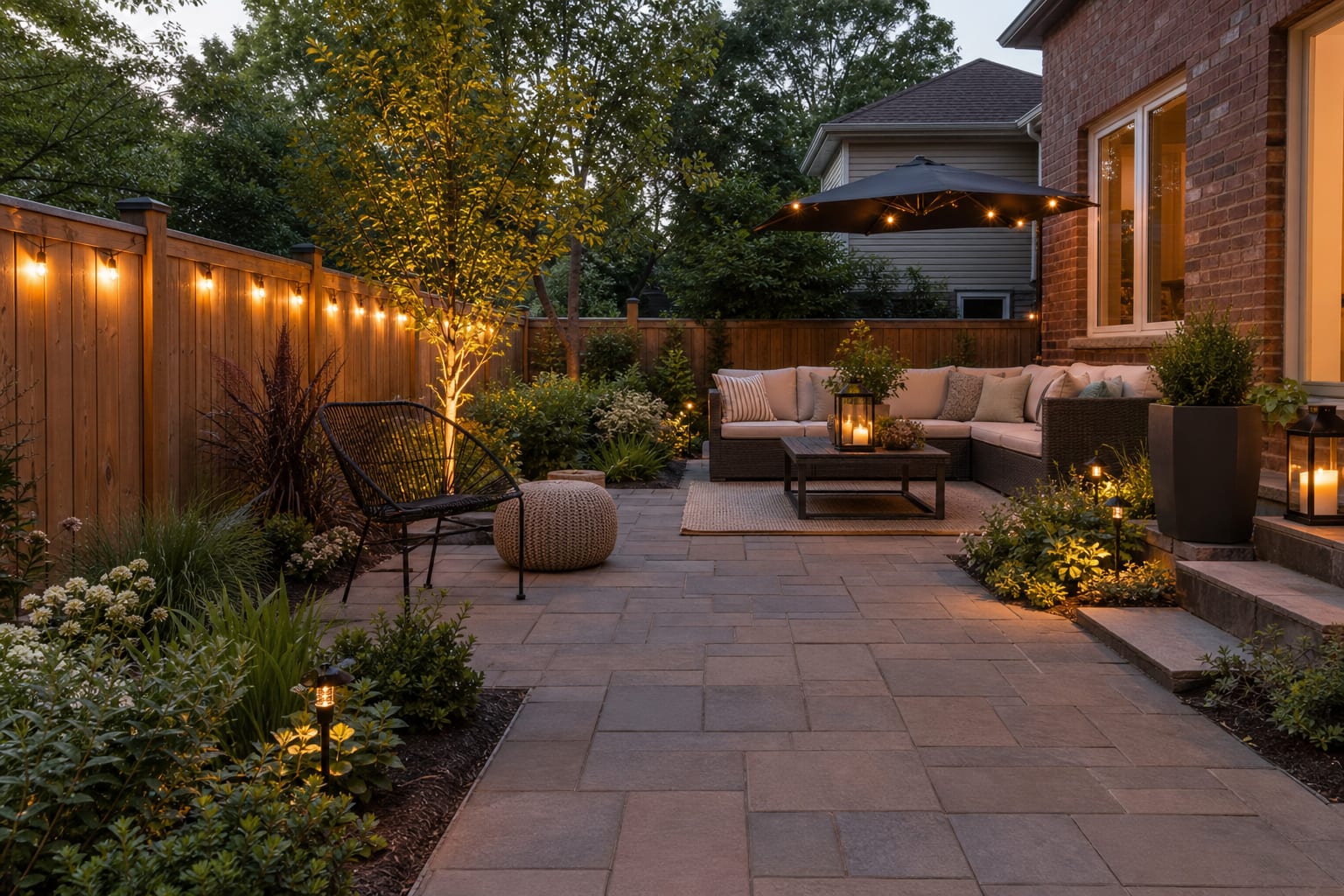
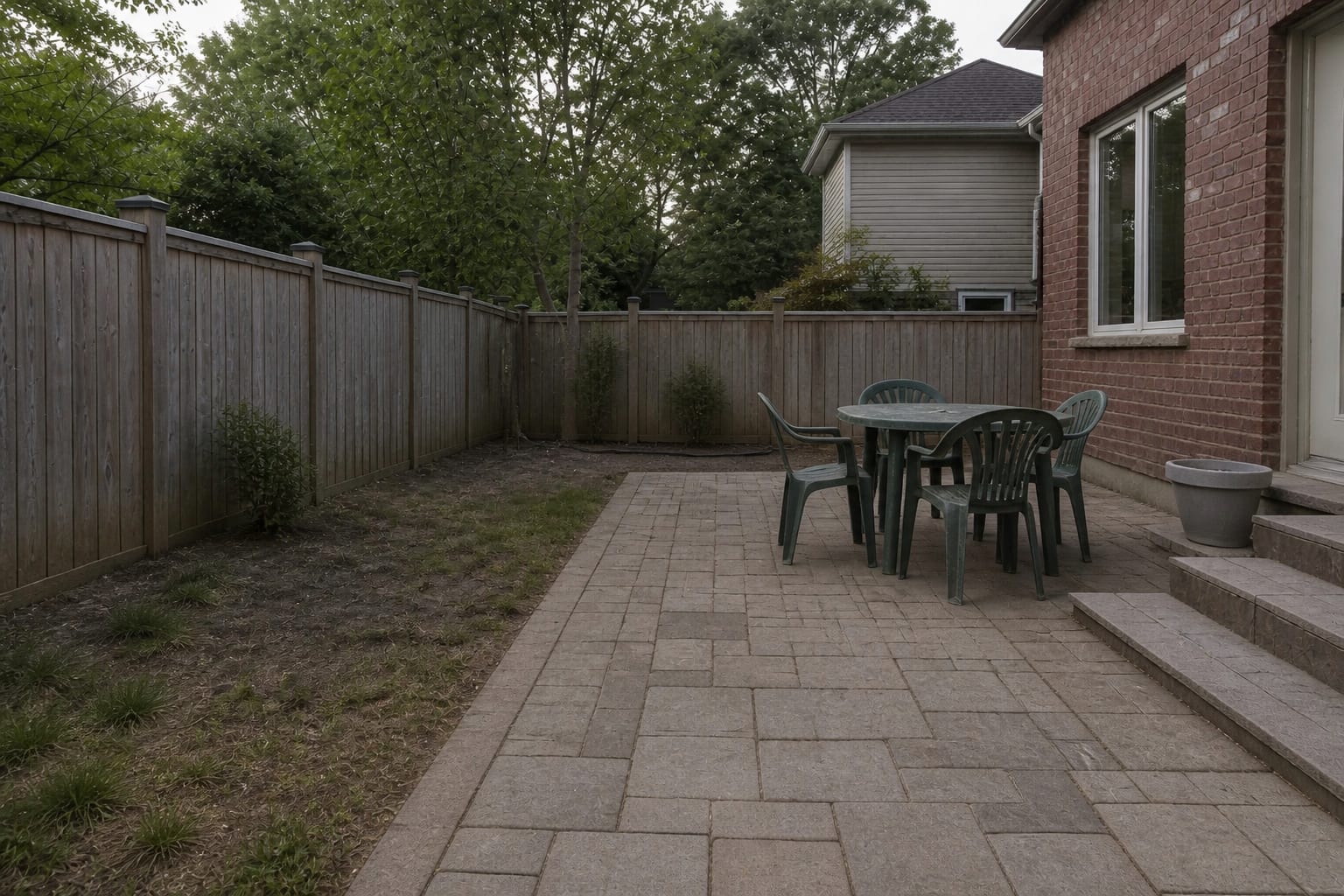
Teak is the best all-around outdoor furniture material for warmth and longevity, while powder-coated aluminum is the better low-maintenance pick for rainy or humid climates. Match the frame to your climate and storage habits, size seating to your actual slab (a 12x12ft patio fits a dining set OR a lounge group, not both), and store cushions indoors or in a deck box so they outlast the frame.
What is the best material for outdoor furniture?
Teak wins if you want a natural, long-lived frame; powder-coated aluminum wins if you want the least maintenance in rain, humidity, or poolside conditions. Material choice controls weight, surface temperature, upkeep, and how the patio feels after a full season outside.
| Material | Best use | Watch out for |
|---|---|---|
| Teak | Exposed lounge chairs, dining benches, classic patios | Needs cleaning and may gray unless treated |
| Powder-coated aluminum | Wet climates, pool patios, lightweight dining sets | Thin frames can feel flimsy in wind |
| HDPE wicker | Covered seating, soft casual patios | Cheap plastic weave cracks in sun |
| Stainless steel | Modern coastal furniture when budget allows | Shows fingerprints and can heat up |
| Wrought iron or steel | Windy sites that need heavy furniture | Rust appears quickly if finish chips |
Teak is dense, stable, and comfortable against skin, giving a patio visual weight rather than a temporary feel. The tradeoff is upkeep: clean and oil it for honey-brown color, or let it age to a silvery patina while watching for mildew.
Aluminum is the practical favorite for most homes — light enough to move, strong enough when tubing is substantial, and forgiving in rain. Avoid hollow, rattly versions with narrow seats; a lounge chair seat should run 20-24 inches wide with a seat height near 16-18 inches before the cushion compresses.
On uneven surfaces, match material to floor: heavy teak or iron feels planted on a stable slab, while lightweight aluminum with adjustable feet works better on a deck or paver surface. This connects directly to patio flooring ideas that affect furniture stability.
Test this on your own photo with ReDesign before committing — keep the house edge, horizon line, hardscape, planting beds, and main path visible so the preview solves the space you actually have.
Teak vs. aluminum: which controls the patio budget?
This choice comes down to presence versus ease. Teak looks richer and suits stone patios, brick terraces, and older homes; aluminum wins when you need to move chairs often, clean underneath, stack seats, or ride out storms without dragging everything indoors.
Choose teak when furniture stays put most of the season. Look for tight joinery, smooth arms, and stainless or brass hardware. A 36x72 inch rectangular table seats six only if the patio allows at least 24 inches behind the chairs — otherwise the legs straddle the traffic path and planting bed.
Choose aluminum for flexibility. A powder-coated aluminum dining chair can weigh half as much as a comparable wood chair, which matters for pulling seats out on a small patio or storing for winter. Look for thicker tubing, welded corners, and finish that covers screw holes; if a chair flexes in the store, it will feel worse after a year outside.
Shade shifts the equation: teak's color changes in sun, dark aluminum can get uncomfortably hot, and fabric fades fastest where afternoon light hits back cushions. Solve exposure first with outdoor shade ideas for furniture protection, especially on south- and west-facing patios.
What are the most common patio furniture mistakes?
- Buying a full matching set often looks stiff and fits badly. Measure the furniture zone first: a sofa needs 30-34 inches of depth, a dining chair needs about 24 inches of pullback.
- Ignoring cushion construction turns expensive seating uncomfortable by midsummer. Use outdoor fabric with removable covers and quick-dry foam; a 2 inch cushion is too thin, 4-6 inches gives real support.
- Choosing ordinary steel for an uncovered patio invites rust at scratches and welds. Use wrought iron only if you'll maintain the finish, or pay more for stainless.
- Putting light furniture on a windy patio makes every weather shift annoying. Heavier wood, iron, or weighted aluminum behaves better in breezy yards — see stone patio ideas for heavier outdoor seating.
- Forgetting storage shortens cushion life fast. Without a shed or bench, buy fewer cushions and better-fitting covers rather than a loose tarp that traps moisture.
Also plan the walking path before choosing furniture: keep 30 inches from the door to the yard, grill, or steps, and 36 inches if you carry platters often. A beautiful chair blocking that route will irritate you more than a plainer one placed correctly.
How can AI design help me choose patio furniture?
AI design is most useful for testing scale, not fantasy styling. Upload a straight photo from the door or main seating approach, then preview teak, aluminum, wicker, and mixed-material versions at your patio's real dimensions.
Give the prompt real constraints: "12 by 14 foot concrete patio, west-facing sun, powder-coated aluminum dining chairs, 36 by 72 inch teak table, two lounge chairs, 6 by 9 outdoor rug, large planters along the fence, warm 2700K string lights." The preview should reveal whether the table crowds the door, whether lounge chairs need a side table, and whether dark frames feel heavy.
Don't let a generated image talk you into impossible clearances. If it shows eight chairs where only six fit, trust the tape measure — the useful preview makes tradeoffs visible before delivery boxes land on the driveway.
Frequently Asked Questions
What is the longest-lasting patio furniture material?
Teak holds up 20+ years uncovered with no maintenance beyond optional sealing. Powder-coated aluminum lasts 15+ years and is lighter to move. HDPE recycled plastic also lasts 15+ years and survives any climate without cracking.
How big a patio do I need for a sofa and chairs?
A 12 by 14ft patio fits an 84in sofa, two club chairs, and a coffee table with a 24in walking buffer. Below that size, you can fit either a loveseat-plus-chairs setup or a dining set, but not both.
Should I store cushions inside in winter?
Yes. Every outdoor cushion line specifies indoor storage or a dedicated waterproof deck box. Left outside year-round, most cushions mildew by year two and the foam compresses beyond comfortable use.
Can I mix patio furniture finishes?
Yes. Pair one wood tone (teak or eucalyptus) with one metal (powder-coated aluminum or steel) and one cushion fabric. Three materials reads as intentionally designed, while five starts to look scattered and cluttered.
Sectional or separate pieces on a patio?
Sectionals win on small slabs because they pack more seating into less floor space. Separate pieces win on larger slabs because they can rotate for a view, dining, or fire-pit conversation depending on the season.
> Try this: Ready to see this on your own space? Open ReDesign and run the preview.
Three transformations to try
1. L-sectional with coffee table on existing patio 2. Teak dining table with mixed-back chairs 3. Lounge chairs around fire pit on gravel patio