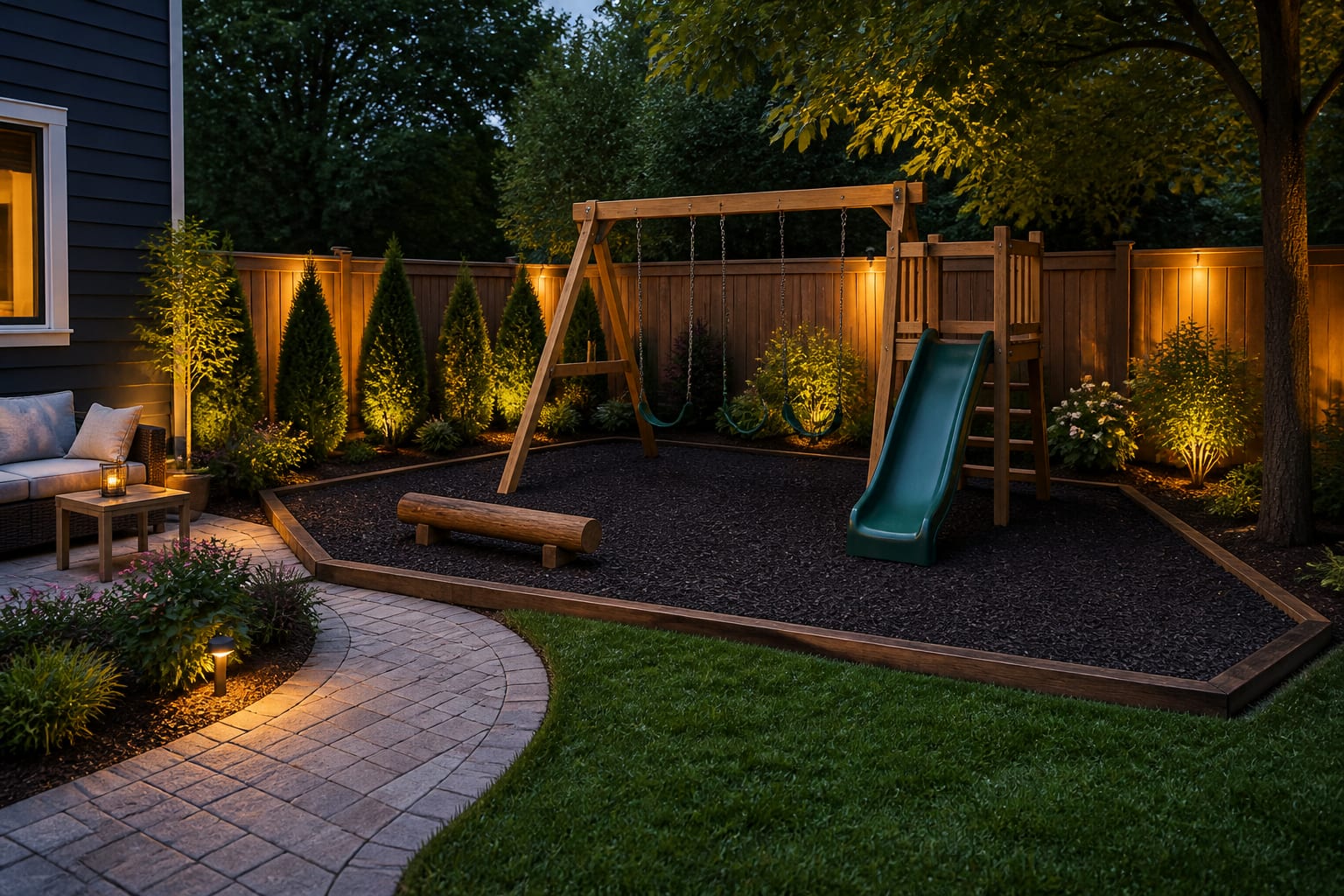
The best outdoor play equipment for kids is the structure that matches how rough your yard and your children actually are, not the one with the most plastic slides bolted on. My read after pricing dozens of sets is that a mid-grade cedar swing set at $1,800 to $3,500 outlasts two cheap plastic sets bought back to back, so the expensive option is often the frugal one over a decade.
I think most families overspend on features and underspend on the frame. A second slide adds $120 of fun for a season; a rot-resistant beam adds twenty dollars and a decade of structural life. Below I compare the four equipment families on the numbers that survive the first hard winter.
How the four equipment types compare
Here is the head-to-head on the numbers that decide a 10-year cost of ownership rather than a weekend purchase.
| Equipment type | Upfront cost | Lifespan | Annual upkeep | Best for | |---|---|---|---|---| | Pressure-treated pine | $1,000-$2,500 | 8-12 yrs | $40 seal coat | Budget builds, large yards | | Cedar / redwood | $2,500-$6,000 | 15-20 yrs | $30 oil | Long-term, multiple kids | | Powder-coated steel | $1,200-$3,000 | 15+ yrs | $0-$20 touch-up | Small flat yards | | Plastic modular | $300-$900 | 3-5 yrs | $0 | Toddlers, short-term use | | Natural structures | $0-$1,500 | 10-20 yrs | $0-$25 | Imaginative play, slopes |
The table makes the trade obvious: plastic wins on entry price and loses on everything else. A $600 plastic set replaced twice costs you $1,800 plus two weekends of teardown, which lands you in cedar territory with nothing to show for it. If your kids are under four, plastic is fine because they will outgrow it before it cracks. Past that age, wood or steel is the honest buy.
Wood, steel, or natural: where the durability lives
Wood is the default for a reason. Cedar and redwood carry natural oils that fight rot and insects, so a quality set stays structurally sound for 15 to 20 years with a $30 coat of penetrating oil every other spring. Pressure-treated pine is cheaper but needs a sealant every season or the beams check and splinter by year five. I have seen pine swing beams sag under a tire swing because the buyer skipped the annual seal coat three years running.
Steel frames win in small flat yards where you want a compact A-frame swing and slide. Powder-coated tube steel shrugs off rain and will outlast most wood, but bare metal slides and platforms hit surface temperatures near 130 degrees in direct sun, so shade matters. Natural play structures change the math entirely. A cluster of anchored logs, a few boulders, and a 10-foot balance beam cost a fraction of a kit and never rot out the way milled lumber does, while pushing the open-ended play that pediatric therapists actually recommend.
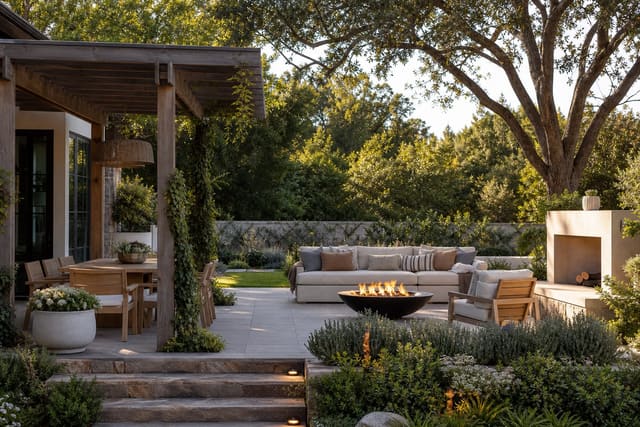
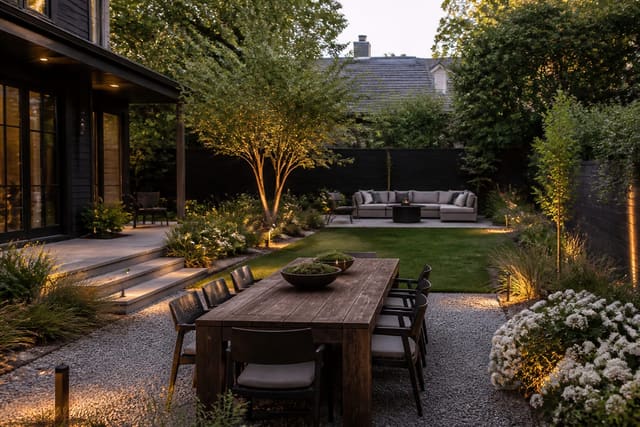
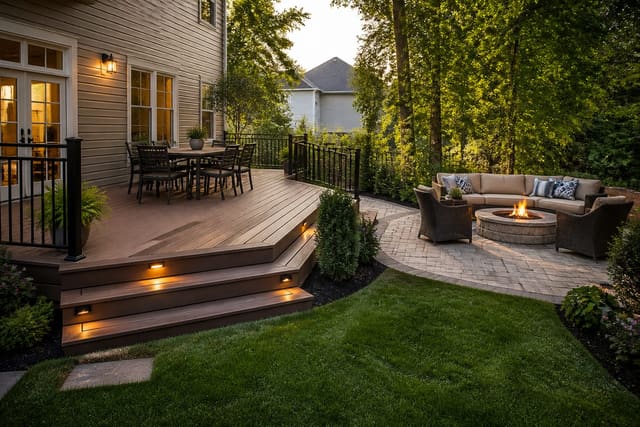
If you are zoning a larger yard around a play area, the layout logic in these AI backyard design ideas helps you place equipment where you can see it from the kitchen window. And before you commit to a footprint, the surface and grade questions in this deck vs patio comparison matter, because a structure over a hard slab needs very different fall protection than one over lawn.
The safety surfacing nobody budgets for
The equipment is half the spend; the ground under it is the half people forget. A child falling from a 6-foot platform onto packed dirt or grass can fracture a wrist, so building codes and the national playground guidelines call for impact-absorbing surfacing in a fall zone that extends 6 feet in every direction.
Here are the surfacing options I would actually consider:
- Engineered wood fiber: $400 to $700 for a backyard zone, needs a 12-inch depth and an annual top-up as it compacts.
- Rubber mulch: $700 to $1,200, lasts a decade, and does not break down, though it gets hot in full sun.
- Poured-in-place rubber: $1,500 and up, the safest and lowest-maintenance option, but a professional install.
- Pea gravel: $300, cheap and drains well, but unsuitable for toddlers who will sample it.
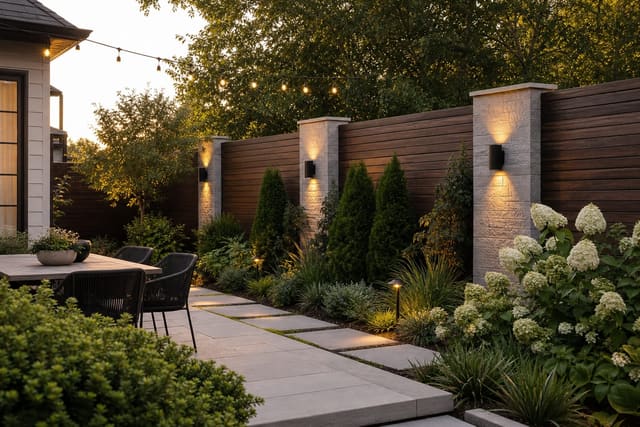
Whatever you pick, contain it with a 6-inch timber or paver border so it stays in the fall zone instead of migrating across the lawn. Pair the surfacing choice with a backyard fence idea that closes the yard, because an unfenced play area near a driveway is the one design mistake worth real money to fix.
Matching equipment to your kids and your timeline
The right pick changes with the age of the children and how long you plan to stay. For a family with toddlers and a five-year horizon, a $600 plastic set plus $300 of pea gravel is rational; you will sell the house before the plastic fails. For a family with a four- and a seven-year-old planning to stay a decade, a $3,000 cedar set with rubber mulch is the lower lifetime cost despite the bigger receipt.
Resale matters more than people expect. A well-kept cedar set holds 40 to 60 percent of its value on the secondhand market, while plastic sets sell for scrap or get hauled away. That residual value quietly closes the gap between wood and plastic even further once the kids age out.
Think about the yard around the structure too, not just the structure itself. A swing set jammed against a fence cannot fit a swing arc, since pendulum motion needs about 6 feet of clearance fore and aft. A slide that exits toward a slope sends kids tumbling, and a climber sited in full afternoon sun goes unused by July. Map the clearances, the sun, and the sightlines before you anchor anything, because moving a 400-pound cedar set after the concrete cures is the one regret no amount of money fixes cheaply.
Use AI design to test play equipment in your real yard
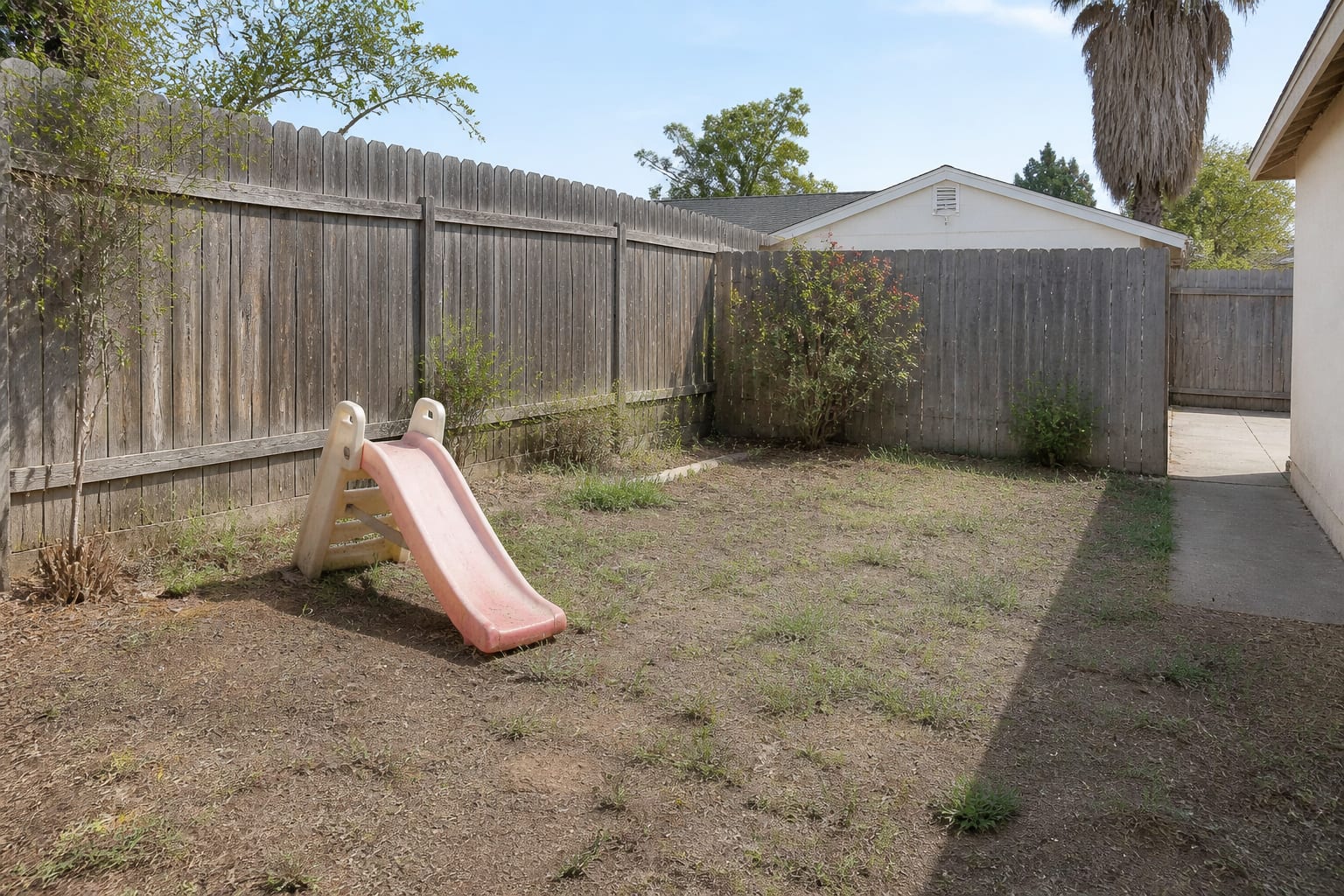
The hardest part of buying play equipment is picturing a 12-by-12-foot structure in a yard you only see at ground level. Re-Design closes that gap: upload a photo of your backyard and the AI design tool drops a cedar swing set, a steel A-frame, or a natural log course into the actual space so you can judge scale and sightlines before anything ships.
Try a few versions of the same shot. Upload the photo, ask Re-Design to place the structure in the sunniest corner, then move it to a shaded one and compare. Seeing the fall zone and the walking paths rendered against your real fence line saves you from buying a set that swallows the whole yard or sits in brutal afternoon sun.