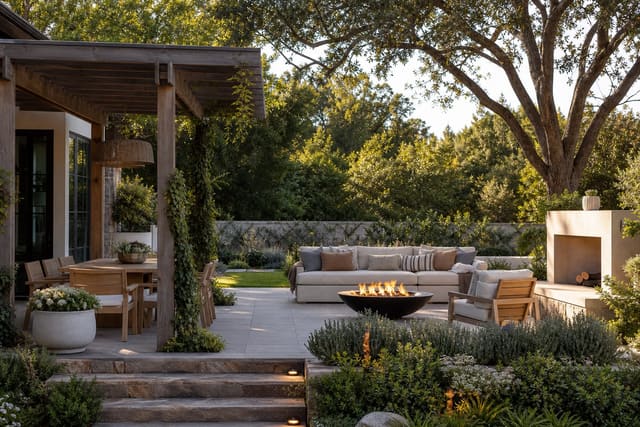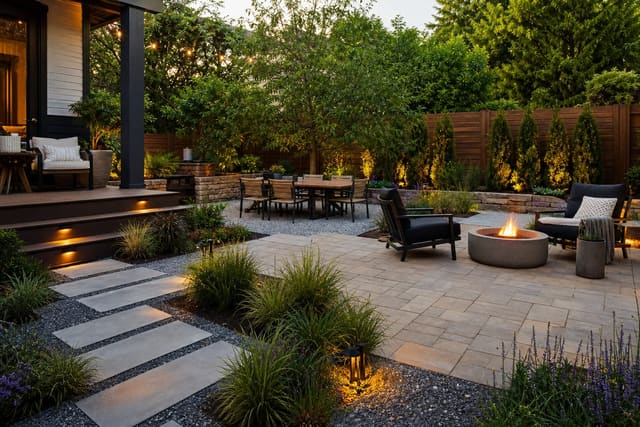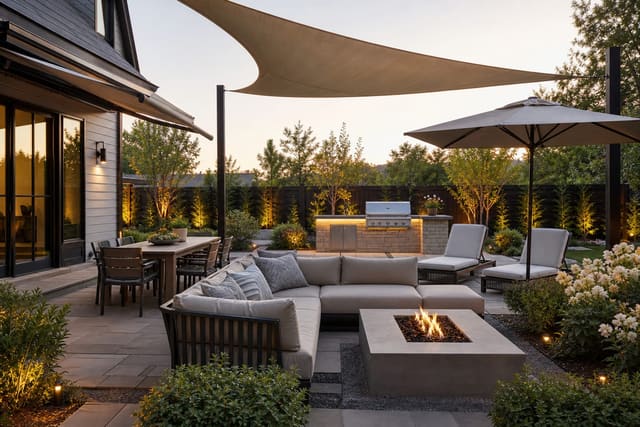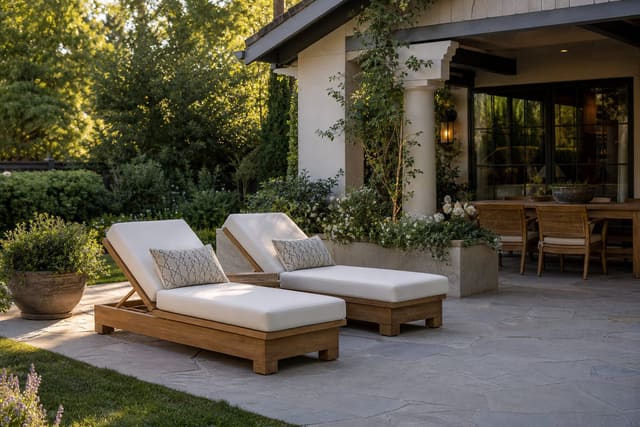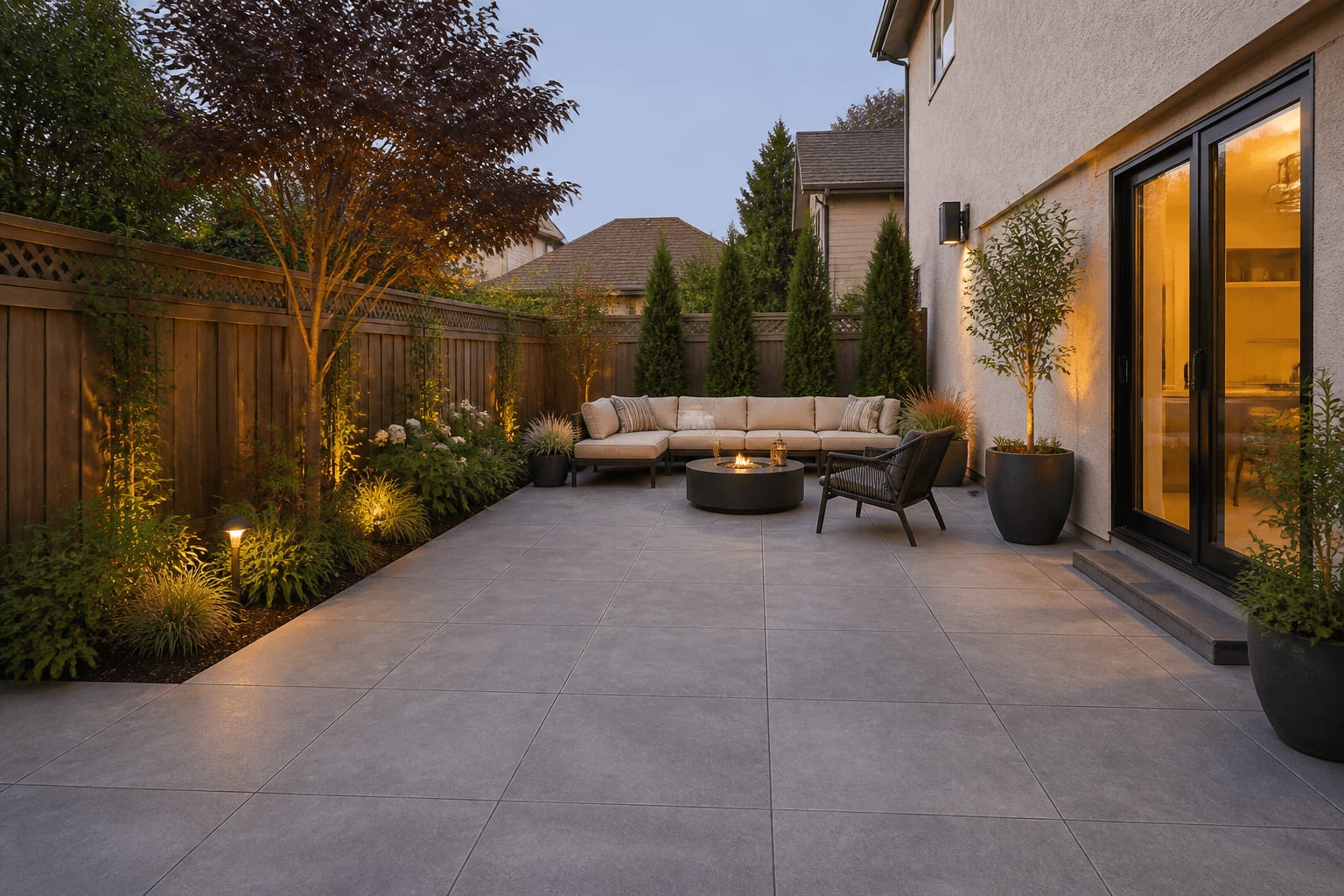
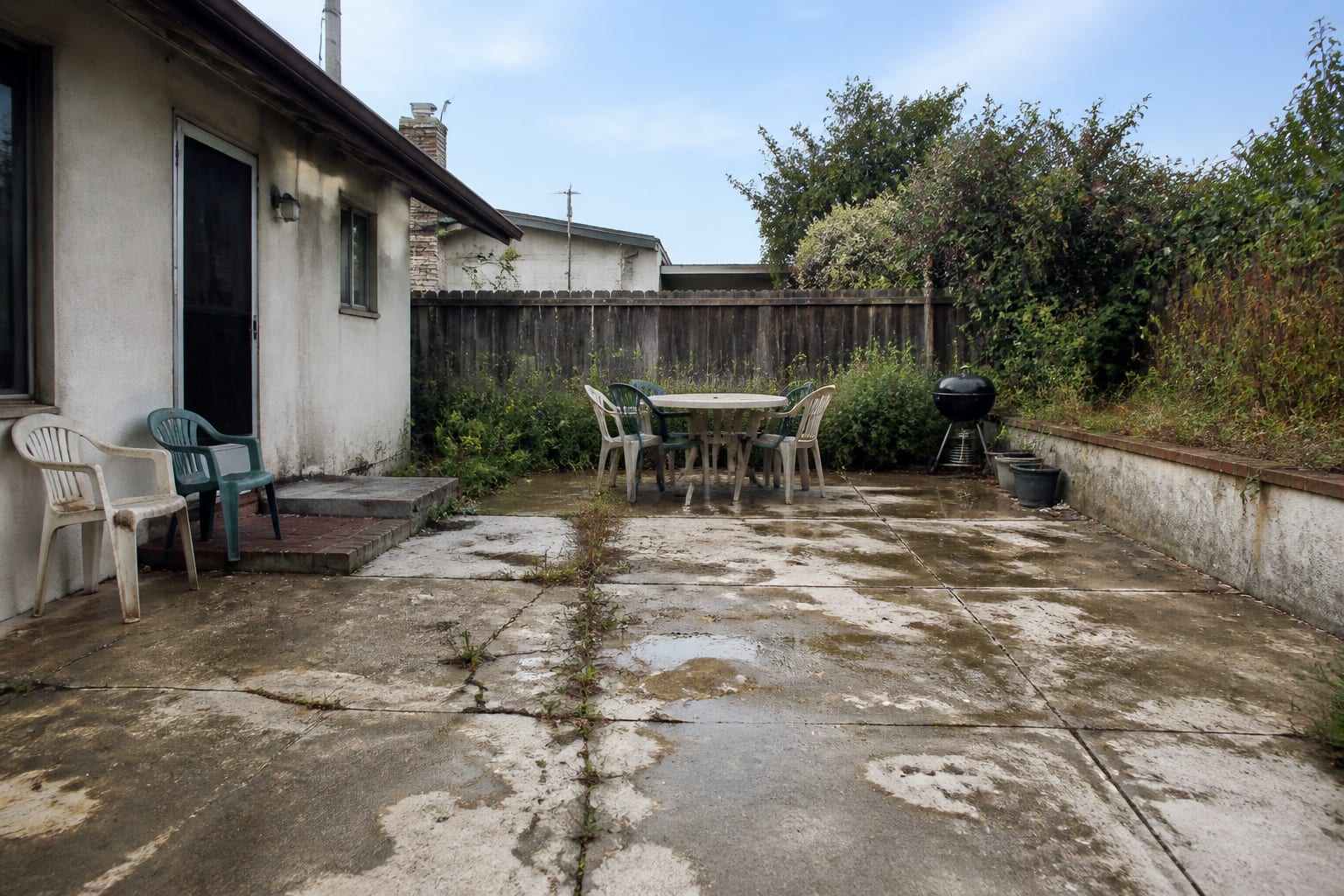
The best tile for an outdoor patio is porcelain rated for exterior use, because it handles freeze-thaw cycles, resists stains, and costs $3 to $8 per square foot for the tile itself. My read is that homeowners fall for the look of polished stone and ignore the slip rating, then discover the hard way that a beautiful patio turns into a skating rink the first time it rains.
I think the patio tile decision rides on three specs the showroom rarely volunteers: slip resistance, freeze tolerance, and water absorption. Get those right and the pattern is just the fun part. Below I compare the four surfaces you will actually weigh, with the numbers that separate a 30-year patio from a cracked, slick disappointment.
How the four patio surfaces compare
The figures below cover the tile or material cost per square foot before installation, with performance based on how each handles rain, frost, and bare feet.
| Surface | Cost / sq ft | Slip resistance | Freeze tolerance | Upkeep | |---|---|---|---|---| | Porcelain (textured) | $3-$8 | Excellent (R11+) | Excellent | Sweep, rinse | | Travertine | $4-$10 | Good | Good if sealed | Seal every 2-3 yrs | | Concrete | $6-$12 installed | Poor when polished | Moderate, can crack | Reseal, patch cracks | | Slate | $5-$15 | Excellent | Fair, can flake | Seal, replace flakes |
The table sorts the field fast. Textured porcelain leads on nearly every column, which is why I default to it for open patios in any climate that sees frost. Travertine is the choice when you want a softer, cooler stone look and will commit to sealing it. Slate brings drama and grip but pays for it in maintenance, and polished concrete is a budget trap on a wet patio.
Porcelain: the low-maintenance workhorse
Outdoor-rated porcelain is engineered for exactly this job. Fired dense, it absorbs less than 0.5 percent of its weight in water, which is the spec that lets it shrug off the freeze-thaw cycles that pop softer tile off a patio in a single winter. The textured exterior finishes carry an R11 or higher slip rating, so the surface stays grippy wet, and the color is fired through so it never fades in sun.
The trade is hardness during install: porcelain demands a diamond blade and a dead-flat base, so it is not a casual DIY job. Twenty-millimeter porcelain pavers can even be dry-laid on gravel or pedestals, which makes repairs and future changes far easier than mortared tile. For the broader surface decision across the whole patio, these patio flooring ideas put tile in context against pavers, concrete, and gravel.
Natural stone and concrete: looks versus upkeep
Travertine is the natural-stone favorite for patios because its porous surface stays cool underfoot even in summer sun, which matters around a pool deck where bare feet meet hot stone. The catch is porosity cutting both ways: that same open surface drinks spills and grime, so travertine needs a penetrating sealer every two to three years or it stains and grows algae in shade. Slate brings rich color and excellent natural grip, but it cleaves into flakes over time and fades under harsh UV.
Concrete is the budget option and the riskiest on a patio. Use these checks before you commit to any stone or concrete surface:
- Confirm the slip rating is R11 or higher for any area that gets wet.
- Verify the tile or stone is rated for exterior freeze-thaw if you see frost.
- Plan for sealing schedules on porous stone and budget the recurring cost.
- Insist on control joints in poured concrete so cracks land where you choose.
If shade and heat shape your material choice, the layering options in these outdoor shade ideas help keep a darker stone from baking the patio in afternoon sun.
Matching the surface to your climate and use
A patio in a freezing climate wants outdoor-rated porcelain or sealed travertine, full stop, because the freeze-thaw column is where cheap surfaces fail first. A poolside patio wants a textured, cool-underfoot surface with a high slip rating, which points to textured porcelain or travertine over anything polished. A low-traffic patio in a mild, dry climate can stretch to stamped concrete, since frost and constant water are not the threats there.
Match the spec to the climate and the patio lasts decades; chase the prettiest sample and ignore the slip and freeze ratings, and you will be patching or replacing within a few seasons. The patio furniture you set on top should suit the surface too, and the spacing guidance in this patio furniture guide keeps the layout from crowding the tile.
The base under the tile decides as much as the tile itself, and it is where most failed patios actually fail. A rigid mortared installation needs a properly compacted, well-drained sub-base, because any settling or frost heave below telegraphs straight up as cracked tile and split grout lines. On ground that moves, a pedestal or sand-set system that lets pavers float independently is the smarter bet, since one shifting paver lifts out and resets in minutes instead of demanding a demolition.
Grout and tile size also shape the upkeep you will live with. Large-format pavers mean fewer joints, which means less grout to stain and scrub, while tiny mosaic tiles look striking but multiply the cleaning surface and the failure points. A wider, sanded joint sheds water and resists weeds better than a thin one on an exterior floor. Pick a tile size and joint width that match how much patio maintenance you are honestly willing to do, not just the pattern that photographs best in the showroom.
Use AI design to preview your patio tile before you commit
A single tile sample tells you the color but nothing about how a full floor of it reads against your house and furniture. Re-Design fixes that: upload a photo of your patio and the AI design tool re-renders the surface in textured porcelain, warm travertine, dark slate, or stamped concrete so you can see the whole field at true scale.
Try several materials on the same shot. Upload the photo, ask Re-Design to show a cool gray porcelain, then a warm travertine, then a charcoal slate, and compare each against your siding and seating. Seeing the full patio rendered in your own light keeps you from committing to a sample that charmed you in the store and clashed once it covered the ground.