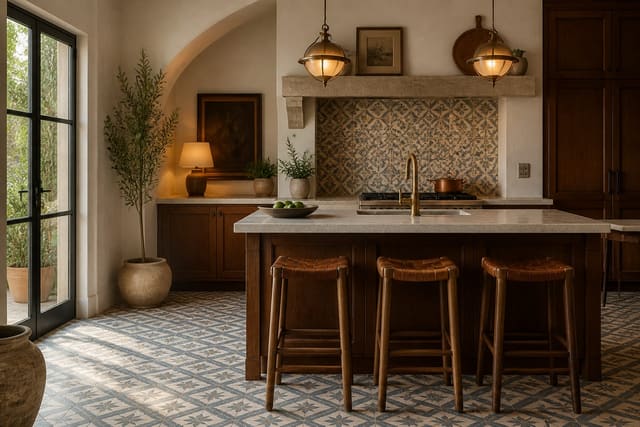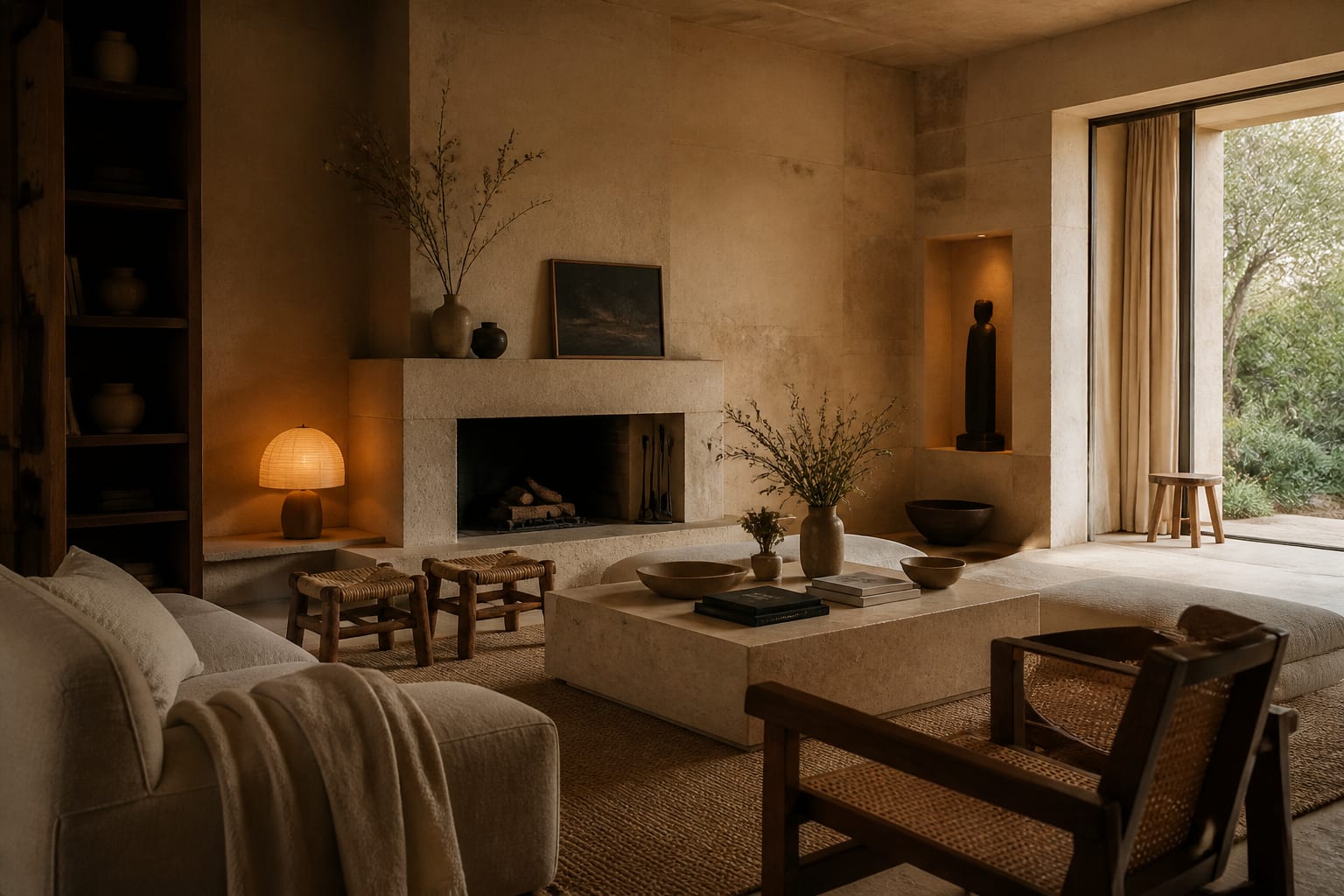
Travertine spent two decades as a punchline, the beige stone of early-2000s builder bathrooms, and now it is everywhere again in the best rooms I see. My read is that the revival is real and deserved, because travertine has something most trendy materials lack: genuine age, an organic pitted texture, and a warmth that cooler marbles and porcelains cannot fake. Is travertine still popular in interior design? Very much so, and the current take is more honest than the polished 2000s version, leaning into matte finishes and raw edges.
The stone itself is ancient, a form of limestone deposited by mineral springs over thousands of years, which is why a Roman bath and a modern Los Angeles kitchen can use the same material. Used with restraint, travertine reads timeless. Overdone, it reads dated, so the ideas below are about getting the balance right.
What draws me to travertine over a slicker stone is the imperfection. The surface carries natural pits and voids where gas bubbles escaped during formation, plus soft linear veining that runs through every slab. That texture is exactly what a flawless porcelain look-alike can never reproduce, and it is why a travertine room feels grounded and a little bit old in the best sense. The trick is leaning into that character rather than fighting to polish it away.
Is travertine still popular in interior design?
Yes, and the way it is used now is what makes it feel fresh rather than nostalgic. The 2000s leaned on shiny polished travertine and glossy filled surfaces, which is the look that aged badly. Today's designers reach for honed and tumbled travertine with a matte, slightly raw surface that shows the stone's natural pitting, and that texture is exactly what reads as warm and current.
The revival fits a broader move toward earthy, Mediterranean, and organic-modern interiors where natural imperfection is the point. Travertine sits comfortably alongside plaster walls, warm woods, and handmade tile, which is why it pairs so naturally with the artisanal look of zellige tile. Treated as a warm, textural natural stone instead of a glossy builder default, it has staying power.
Finish is what separates the dated version from the current one, so it is worth knowing the options. Polished travertine is shiny and was the 2000s default, and it is the look I avoid now. Honed travertine is sanded to a smooth matte surface that feels modern and calm. Tumbled travertine has softened, rounded edges and a slightly rustic face that suits Mediterranean rooms. Brushed travertine sits between the two with a subtle texture. Pick honed or tumbled and the same stone that read builder-grade twenty years ago reads designer today.
Travertine ideas for every room
This is the list I keep when a space needs warmth and weight without going cold and modern. Each idea works on its own:
- A honed travertine floor running through an open living and dining space for grounding warmth.
- A full travertine slab kitchen island or waterfall counter as a single sculptural piece.
- A tumbled travertine backsplash that brings texture behind a range without competing with cabinetry.
- A travertine-clad fireplace surround, where the pitted surface catches light beautifully.
- A monolithic travertine vanity or trough sink in a bathroom for a spa-like, earthy feel.
- Travertine shower walls in large-format slabs for a seamless, low-grout look.
- A travertine feature wall or bench in an entryway that signals the material from the first step inside.
Travertine also leans Mediterranean by nature, so it slots into warmer schemes effortlessly. The earthy palette and arched forms in these Moroccan interior design ideas are a natural companion, and the stone's matte tone keeps a room from feeling cold. For pattern underfoot in adjacent spaces, the geometry of cement tile plays off travertine's solid fields nicely without clashing.
Color range is wider than the beige stereotype, which is part of why the revival works. Travertine runs from pale ivory and classic cream through warm walnut and even a cooler silver-gray, so you can match it to almost any palette instead of being stuck with one builder tone. Ivory and cream keep a room light and airy, walnut adds depth and drama, and silver travertine reads almost contemporary against black hardware. Seeing the actual slab matters here, because two pieces labeled the same name can vary noticeably in tone and veining.
Living with travertine
Travertine is beautiful but high-maintenance compared with porcelain, and going in clear-eyed about that matters. The stone is porous, so it needs sealing every year or two, and it etches when acids like lemon juice or wine sit on it. In a kitchen or bathroom, that means wiping spills promptly and using a penetrating sealer rated for natural stone.
Finish choice changes the upkeep. Tumbled and honed surfaces hide wear and etching far better than polished travertine, which shows every dull spot. If a slab arrives with open pits you dislike, it can be filled, though I usually leave some texture because that is the character people came for. Accept a little patina and travertine ages gracefully; demand it stay flawless and it will frustrate you.
Where you put travertine should follow how forgiving you are about maintenance. A travertine floor in a living room or entryway sees mostly dry foot traffic and ages beautifully with a yearly seal. A travertine kitchen counter, by contrast, lives in the splash zone of lemon, wine, and vinegar, so unless you commit to wiping acids immediately I steer people toward travertine on the backsplash and a harder stone or quartz on the work surface. Bathrooms land in between: travertine shines on a vanity, a shower wall, or a freestanding tub deck, where the wear is gentler and the spa look pays off.
Grout and layout decisions quietly make or break a travertine install. Large-format slabs or big tiles minimize grout lines and let the stone read as one continuous, calm surface, which is the look I usually push for. If you use smaller tiles, match the grout closely to the stone's mid-tone so the field reads as travertine, not as a grid. A contrasting grout chops the warm, flowing surface into a busy pattern and works against everything the material does well. Sealing the grout along with the stone keeps both from staining in a wet room.
Use AI design to preview travertine before you commit
Travertine's color and pitting vary enormously from slab to slab, from pale ivory to deep walnut, and a small sample never shows how a whole floor or wall will read in your room. AI design closes that gap. Upload a photo of your space to Re-Design and it re-renders the room with travertine floors, a slab counter, or a clad fireplace in the tone you are weighing, so you see the warmth and veining at full scale.
The thing I value most is testing how much travertine is too much. Try it on the floor alone, then add a backsplash, then a counter, and watch where the room tips from warm to overwhelming. Upload one photo, compare a honed cream against a tumbled walnut in the same frame, and you land on the version that feels timeless rather than dated.