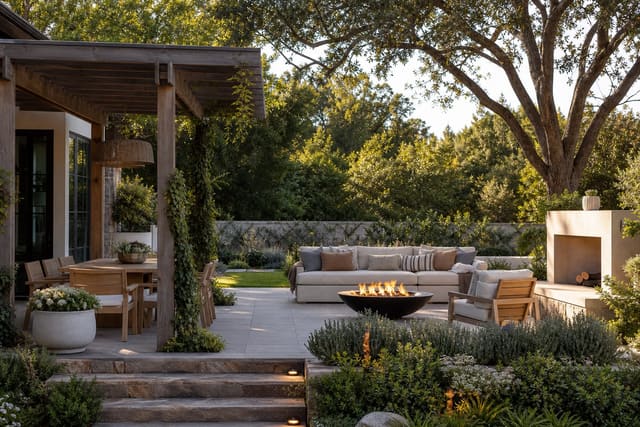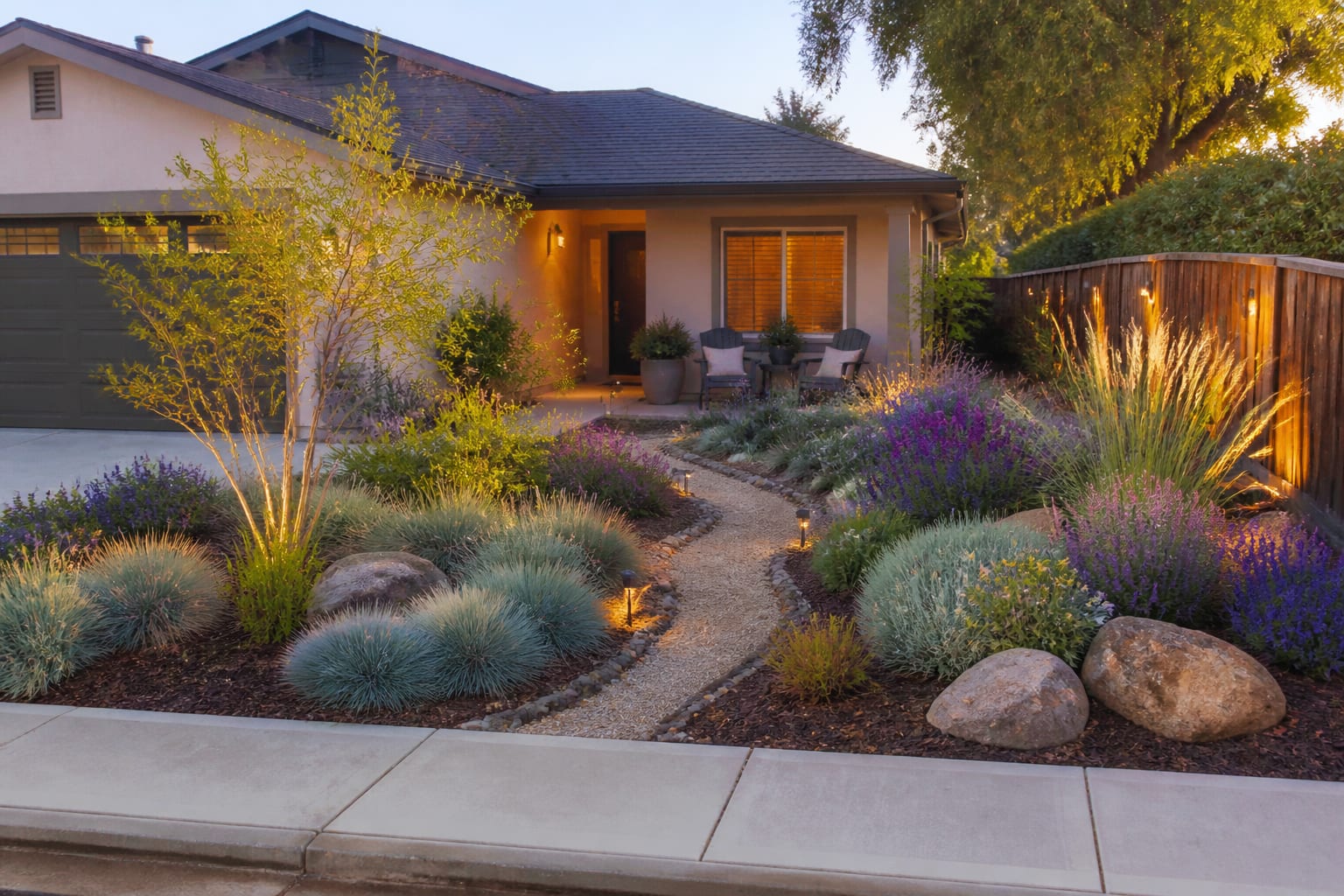
Xeriscaping is not a yard of gravel and three sad cacti. A xeriscape is a planned low-water landscape that groups plants by how much they drink, replaces thirsty lawn with deep-rooted drought plants, and uses mulch and smart irrigation to cut water use by half or more. My read is that most failed xeriscapes fail because someone skipped the design and just laid rock, which bakes the soil and kills the few plants they kept.
I think the goal is a garden that looks lush on a fraction of the water, not a moonscape. Done right, a water-wise yard can be greener and more colorful than the turf it replaced, because you are finally planting things suited to your climate instead of fighting it with a sprinkler.
Zone your plants by how much they drink
The single idea that separates a real xeriscape from a pile of rock is hydrozoning: grouping plants by water need so you never water a thirsty fern on the same line as a drought-proof yarrow. Put the few high-water plants you cannot live without near the house where you will see and tend them, and reserve the far reaches of the yard for plants that survive on rainfall alone once established.
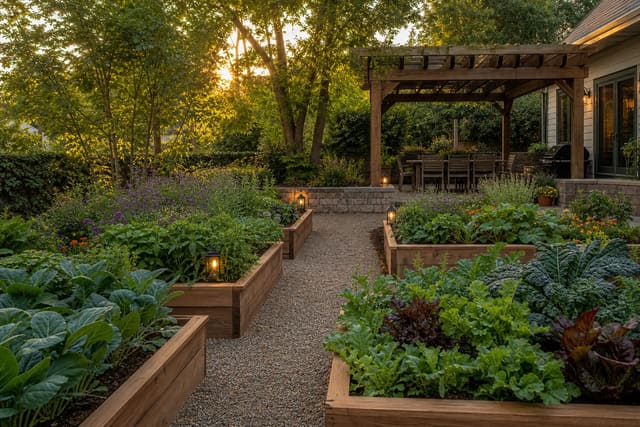
Three zones cover most yards. A high-water oasis zone near the entry or patio holds a few showy, thirstier plants. A transition zone steps down to moderate-water perennials. A low-water zone fills the rest with natives and succulents on rainfall plus the occasional deep soak. Designing this way means your irrigation matches reality, and a raised bed in the oasis zone keeps your one thirsty area contained. The raised garden bed ideas approach is a tidy way to isolate the plants that still want regular water from the rest of the dry yard.
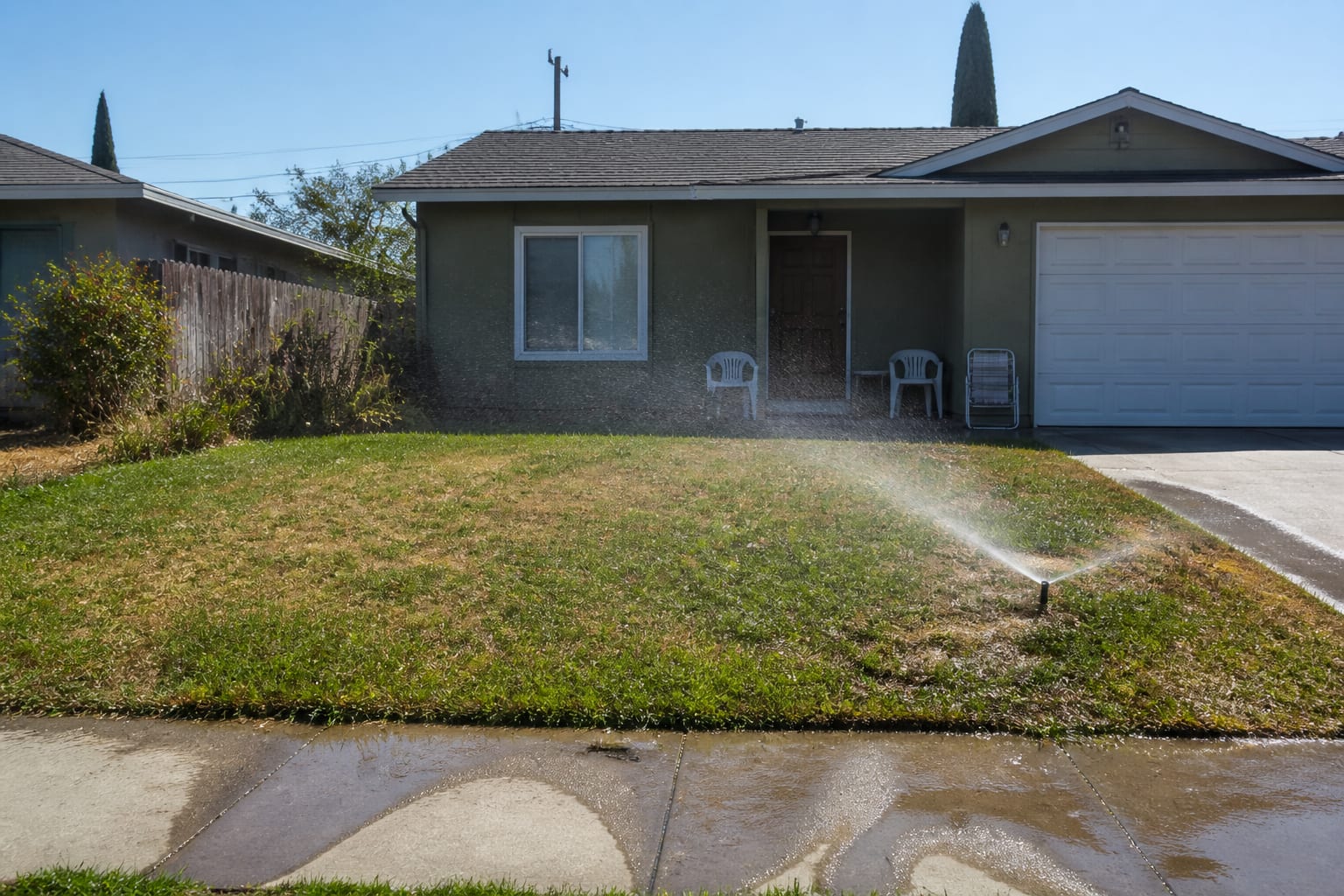
Replacing lawn is where the water savings actually come from. Turf grass is the thirstiest thing in most yards, drinking 2 to 4 times what a planted bed needs. You do not have to lose all of it. Keep a small patch of 200 to 400 square feet where kids or dogs play, and convert the rest to gravel paths, drought-tolerant groundcover, and planted beds that ask for a fraction of the water. Even halving your turf can drop a summer water bill noticeably, since lawn is usually the single largest draw on the meter.
Build the soil and the structure first
Xeriscaping lives or dies on soil and bones, not on the plant list. Before anything goes in the ground, work 2 to 3 inches of compost into the native soil so it holds the water it does get and lets roots dive deep. Deep roots are what let a plant skip a week of watering without wilting, and you only get them by encouraging downward growth from the start.
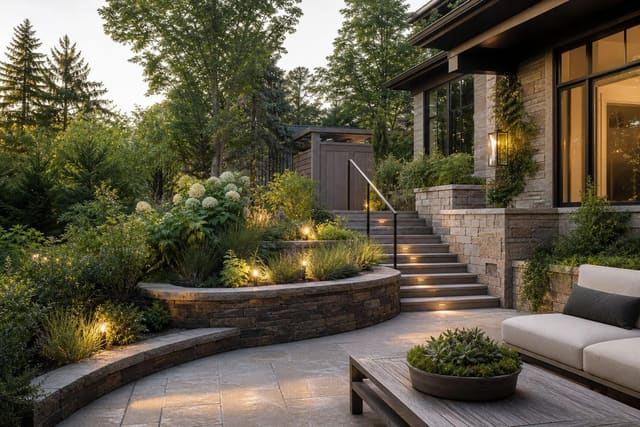
Hardscape carries a xeriscape through the dry months when plants go dormant. Gravel paths, a dry creek bed, boulders, and a low wall give the yard structure and color even when nothing is blooming. The garden wall ideas approach pairs especially well here, because a low wall both terraces water-catching beds and gives the eye something solid to rest on between drifts of grasses.
Here is a short list of moves that pay off in a water-wise yard:
- Lay 3 to 4 inches of mulch over every bare bit of soil to choke weeds and trap moisture.
- Run drip lines or soaker hose instead of spray heads to put water at the roots.
- Slope beds slightly toward plants so rain collects where you want it.
- Choose silver, gray, and blue-green foliage, which reflects heat and signals drought tolerance.
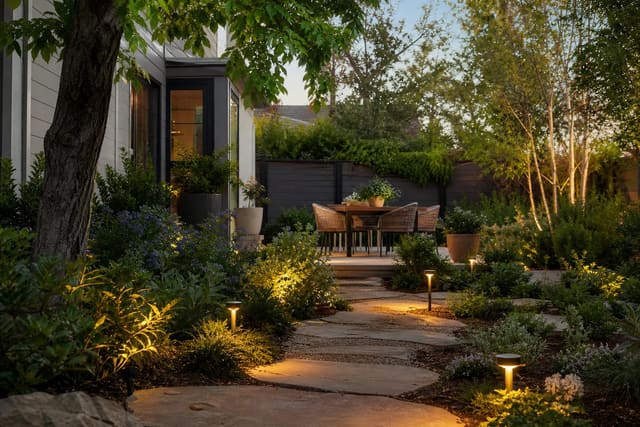
- Add a few solar fixtures so the garden reads at night without running power; these solar light outdoor ideas show how to place them without overdoing it.
Keep it looking green, not gray
The complaint about xeriscaping is that it looks dead. That only happens when someone plants nothing but spiky succulents in a sea of rock. Mix in ornamental grasses that move in the wind, flowering perennials like salvia and penstemon for color, and evergreen shrubs for year-round structure. Texture and motion are what make a low-water garden feel alive even in August.
Plant in drifts of the same species rather than one-of-everything, and repeat a few colors across the yard so it reads as designed. A xeriscape with three grasses repeated in waves looks intentional; the same plants scattered randomly looks like a clearance rack. Density matters too, since plants set close enough to shade the soil between them lose far less water than lonely specimens stranded in gravel. Space shrubs about 24 to 36 inches apart so they knit together within a season or two and cover the ground themselves.
Seasonality is the other trick to looking alive. Choose a mix that carries something through every season: spring bulbs, summer salvia, fall grasses turning gold, and evergreen structure for winter. A garden that only peaks for six weeks in May will look bare the other ten months, while a layered low-water planting holds interest year-round on barely any irrigation.
Common mistakes to avoid
The most common xeriscaping mistake is laying rock or gravel everywhere and calling it done. Bare rock radiates heat, bakes the soil, and kills the few plants you kept, which is the opposite of water-wise. Use mulch on planting beds and reserve gravel for paths and accents.
The second mistake is mixing water needs on one irrigation line, so the thirsty plants die or the drought plants rot from overwatering. Zone first, then water each zone for its real need. A third mistake is skipping the establishment period: even drought-tolerant plants need regular water for the first one to two seasons to grow the deep roots that later let them coast. Cut them off too soon and they never make it. Finally, do not plant a single species across the whole yard; one pest or one bad winter can wipe out a monoculture overnight.
Use AI design to preview your xeriscape before you rip out the lawn
Tearing out a lawn is a big, irreversible move, and it is hard to trust the plan when you are staring at green turf. Re-Design lets you upload a photo of your current yard and see the same space re-rendered as a planted xeriscape, with grasses, gravel paths, boulders, and drifts of color in place of the grass. You get to judge whether low-water actually looks good on your block before the sod hauler shows up.
Run a couple of versions. Upload the photo, ask the AI design tool for a desert-modern scheme with agave and gravel, then ask for a softer prairie look with grasses and wildflowers. Comparing the two helps you pick a style you will still like in five years, and it makes the case to anyone in the house who pictures xeriscaping as a yard full of rocks.