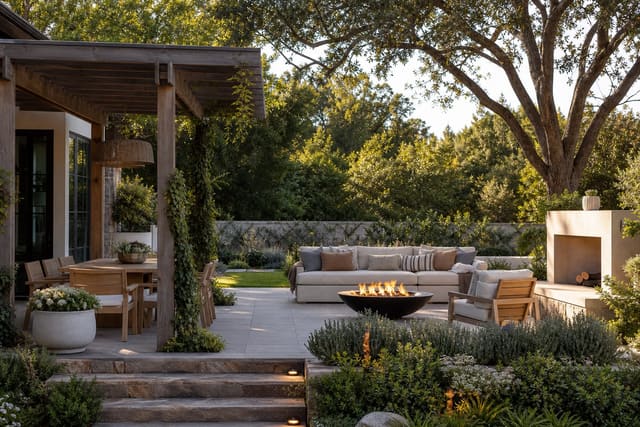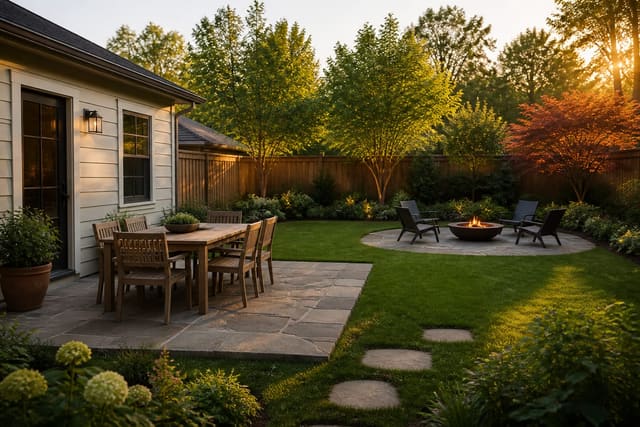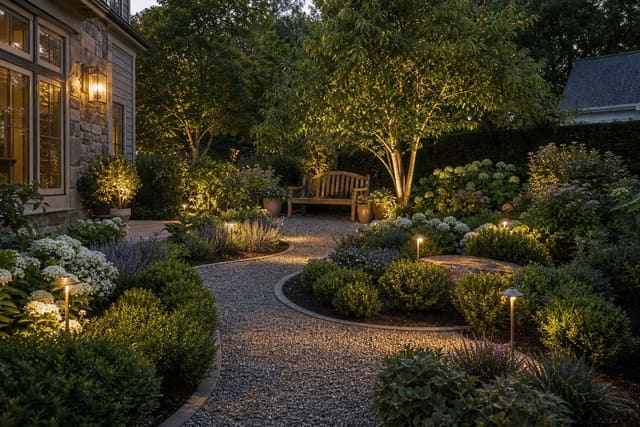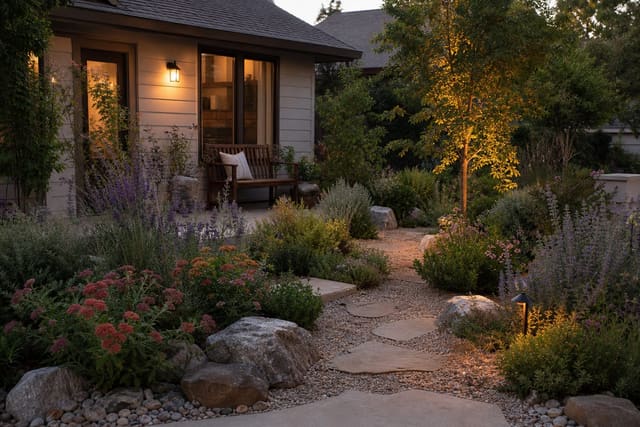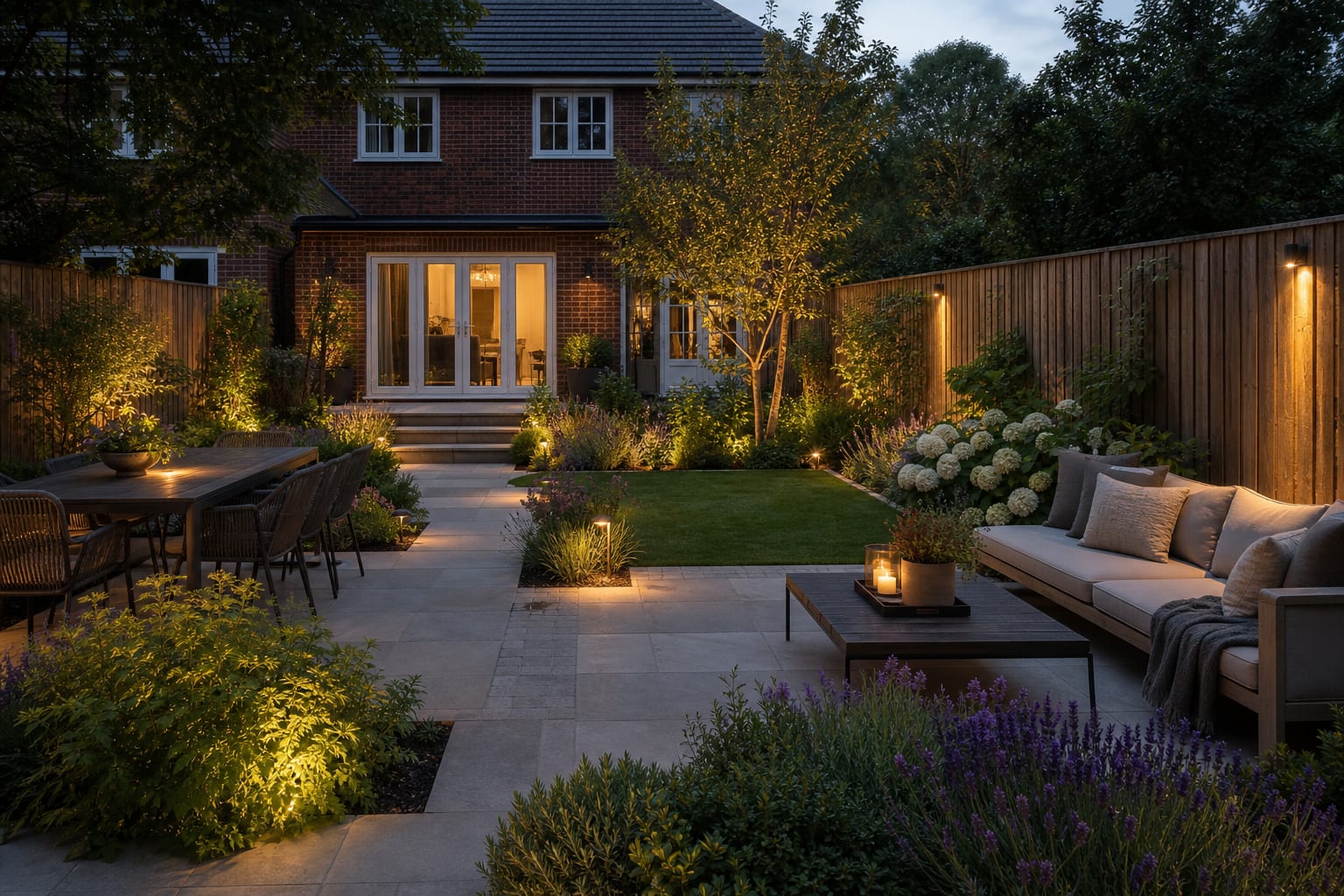
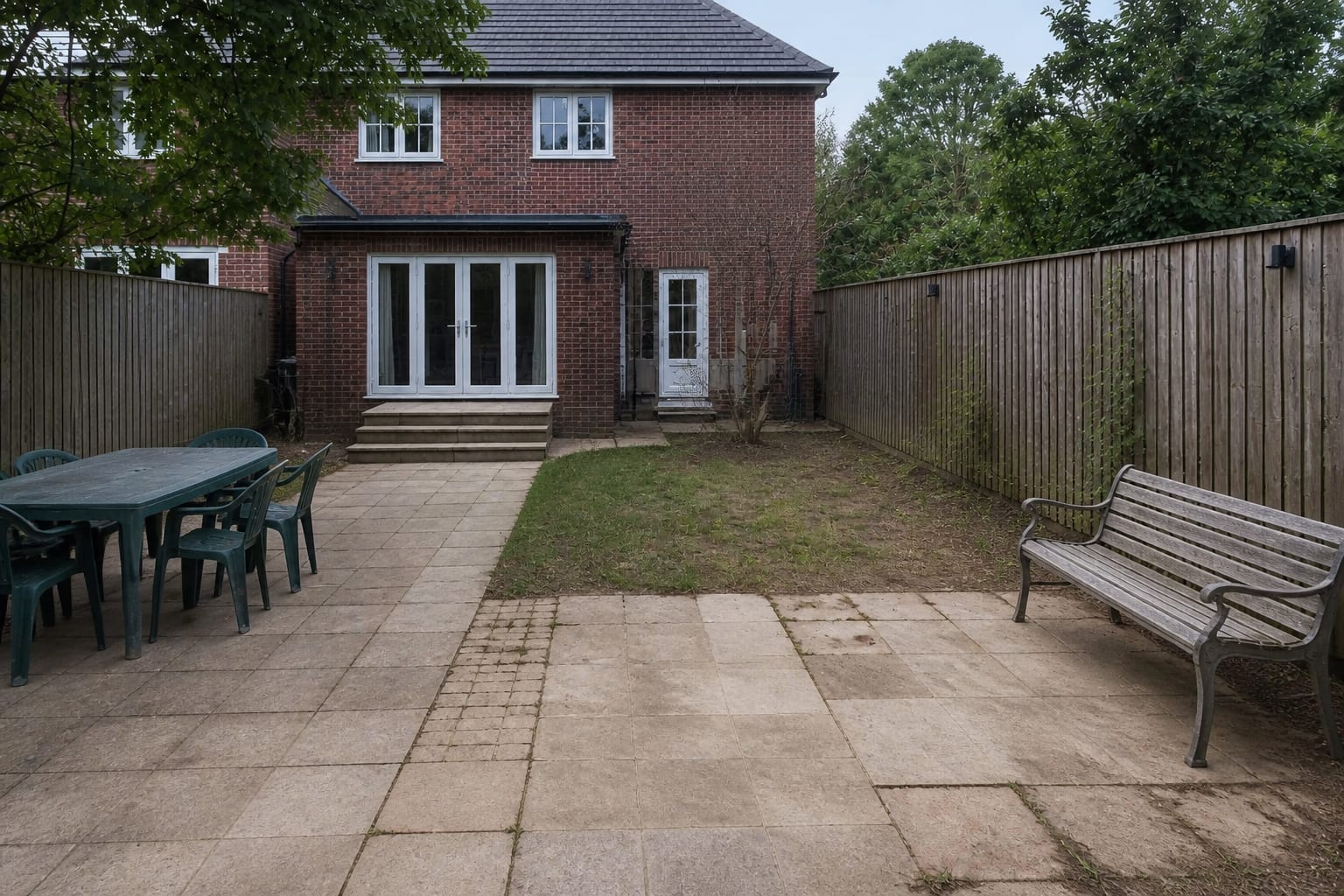
Shade garden ideas succeed when you match plants to the type of shade, dry or damp, layer heights from ground cover to shrubs, and use pale foliage and flowers to brighten dark corners. Ferns, hostas, hellebores, and epimedium anchor most beds, with a single understory tree or tall hydrangea for structure.
What should I plant in a shady garden?
Name the shade type before choosing plants. North-facing house shade is usually cool and steady, tree shade is often dry because roots steal moisture, and wall shade can be surprisingly bright for 2-3 hours in the morning or evening.
Work in layers: a low carpet at 4-8 inches, a middle layer at 12-24 inches, and a few structural shrubs at 3-6 feet, so the bed has depth once flowers fade.
- Dry shade: epimedium, hardy geranium, foxglove, Christmas fern, butcher's broom.
- Damp shade: astilbe, ligularia, primula, rodgersia, most ferns.
Foliage carries the design more than flower color. Repeat one bright silver, lime, or cream leaf every 4-6 feet along a border, especially in a narrow side yard or under a dense maple. For the broader layout logic before choosing plants, see garden design ideas that organize paths and beds.
Test this on your own photo with ReDesign before you commit to a direction. Keep the house edge, horizon line, hardscape, planting beds, and main path visible so the preview solves the space you actually have.
Which shaded garden design ideas are worth copying?
A good shaded garden design is quieter than a sunny border, but never vague. Each idea below solves a common dark-garden problem with scale, circulation, or maintenance built in.
- Pale gravel path through the darkest section: 30-36 inches for a main route, 24 inches for a maintenance path. It reflects light and keeps shoes out of damp soil.
- Group hostas in threes or fives, spaced 24 inches apart. A mature medium hosta can reach 18-30 inches wide.
- Plant spring bulbs under deciduous trees before the canopy closes. Snowdrops, cyclamen, scilla, and narcissus use the late-winter light, then disappear as perennials fill in.
- Add one evergreen anchor every 6-10 feet in a long bed. Skimmia, sarcococca, holly, yew, or compact mahonia keep the border from looking empty in February.
- Choose white or soft yellow flowers for the deepest view lines. Hellebores, astrantia, foxgloves, and hydrangeas read from a distance; dark red and purple often vanish unless paired with lime foliage.
- Add seating only on a firm pad. A bench needs about 30 inches of depth plus stone, brick, or compacted gravel; damp soil alone turns a seating corner into a mud patch.
- Be selective with edibles. Parsley, mint, sorrel, chard, and some lettuces tolerate partial shade, but fruiting crops need more sun. Compare light needs in vegetable garden design ideas for productive beds before giving the brightest patch to ornamentals.
What mistakes ruin shade gardens?
- Ignoring moisture. Dry shade and damp shade are different design briefs. If soil is dusty 2 inches down in spring, add compost and leaf mould, then plant epimedium, ferns, and hardy geranium instead of thirsty astilbe.
- Relying on flowers for impact. Shade cuts bloom power for many plants. Let leaf size, finish, and shape do the work: matte hosta against glossy sarcococca, fine fern fronds against rounded hellebore leaves.
- Planting too tightly on day one. A 9-centimeter fern can become a 24-inch clump, and a hydrangea can need 4-5 feet of width. Mulch the gaps for year one instead of overcrowding.
- Ignoring drainage near walls and fences. Rain shadows can leave a border dry even in wet climates. Test with a trowel after rain; if bone dry under an overhang, borrow mulching logic from drought tolerant landscaping ideas for low-water yards.
- Making the hardscape too dark. Black mulch, dark slate, and heavy timber can make a shady corner feel colder. Mid-tone gravel, reclaimed brick, or pale sandstone gives a north-facing garden more life.
How can I preview a shade garden before I plant?
AI design is useful here because the risk is visual, not just botanical: ferns and hellebores are sensible choices, but it's hard to picture whether a gravel path and evergreen shrubs will actually brighten your fence line. Upload a clear photo from the main viewing point in flat daylight, then test two or three planting moods before buying dozens of pots.
Keep the prompt specific: "north-facing narrow garden with dry shade under a tree, keep the existing fence, add a 30-inch gravel path, layered ferns, hellebores, hostas, and evergreen shrubs" rather than asking for a beautiful garden. If the preview shows oversized leaves blocking the path or shrubs crowding the fence, adjust scale before spending money. Photograph from chest height, include the whole bed, and avoid harsh midday glare; then compare a woodland look, a cleaner contemporary border, and a cottage-style scheme.
Frequently Asked Questions
What plants grow best in a deep shade garden?
Epimedium, pachysandra, hellebores, and cyclamen coum succeed in dry deep shade under mature tree canopies where most plants fail. All are evergreen or semi-evergreen and suppress weeds once established.
How do I improve soil in a dry shade area under trees?
Top-dress with 2-3 inches of composted bark mulch annually. Surface tree roots will harvest some nutrition, but the mulch also retains moisture for understory plants. Avoid digging deeply near tree roots.
Can you grow hostas in full shade?
Yes, hostas tolerate full shade but produce their best foliage and bloom in dappled shade with 2-3 hours of indirect morning light. In full shade, choose slug-resistant varieties like 'Sum and Substance' or 'Halcyon'.
How do I add color to a shade garden?
Astilbe provides summer color in pink, red, and white. Tiarella and heuchera offer season-long foliage color in burgundy, chartreuse, and copper, while white-flowering plants like Hydrangea paniculata 'Limelight' glow in low light.
Do shade gardens need irrigation?
Yes, gardens under dense tree canopies sit in a dry-shade microclimate that needs drip irrigation or weekly hand watering in summer, even in rainy regions, because the canopy intercepts rain before it reaches the bed.
> Try this: Ready to see this on your own outdoor space? Open ReDesign and run the preview before you buy materials, plant, drill, or move furniture.
Three transformations to try
1. Hosta and Astilbe under canopy tree 2. Hellebore and Epimedium ground cover in dry shade 3. Hydrangea paniculata with Heuchera border