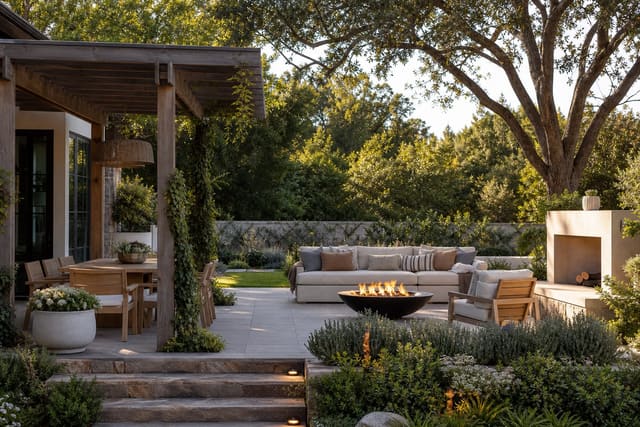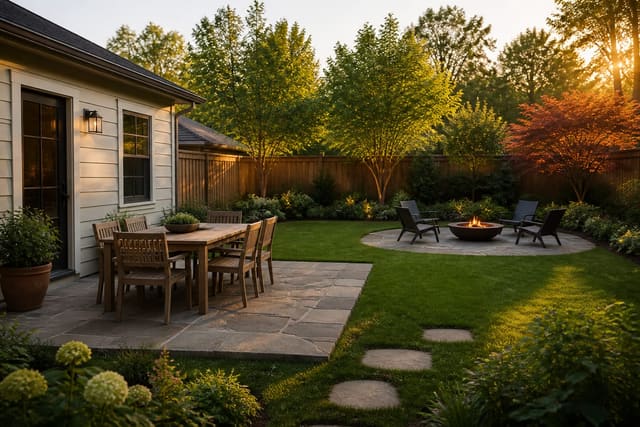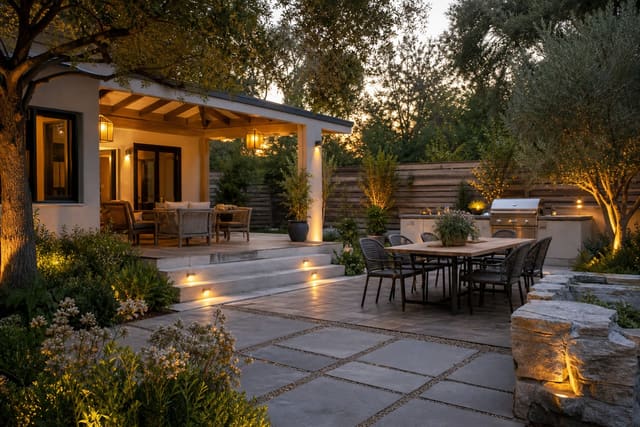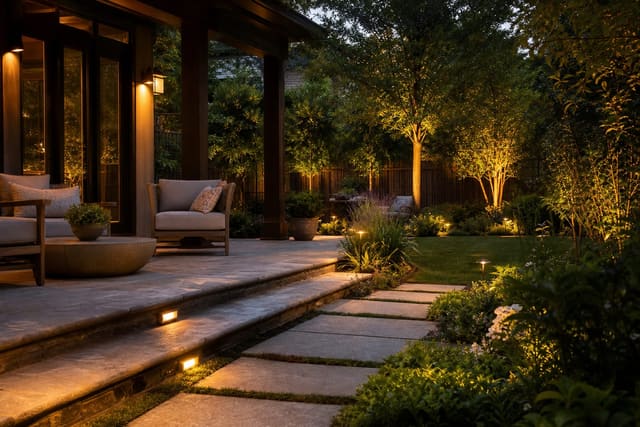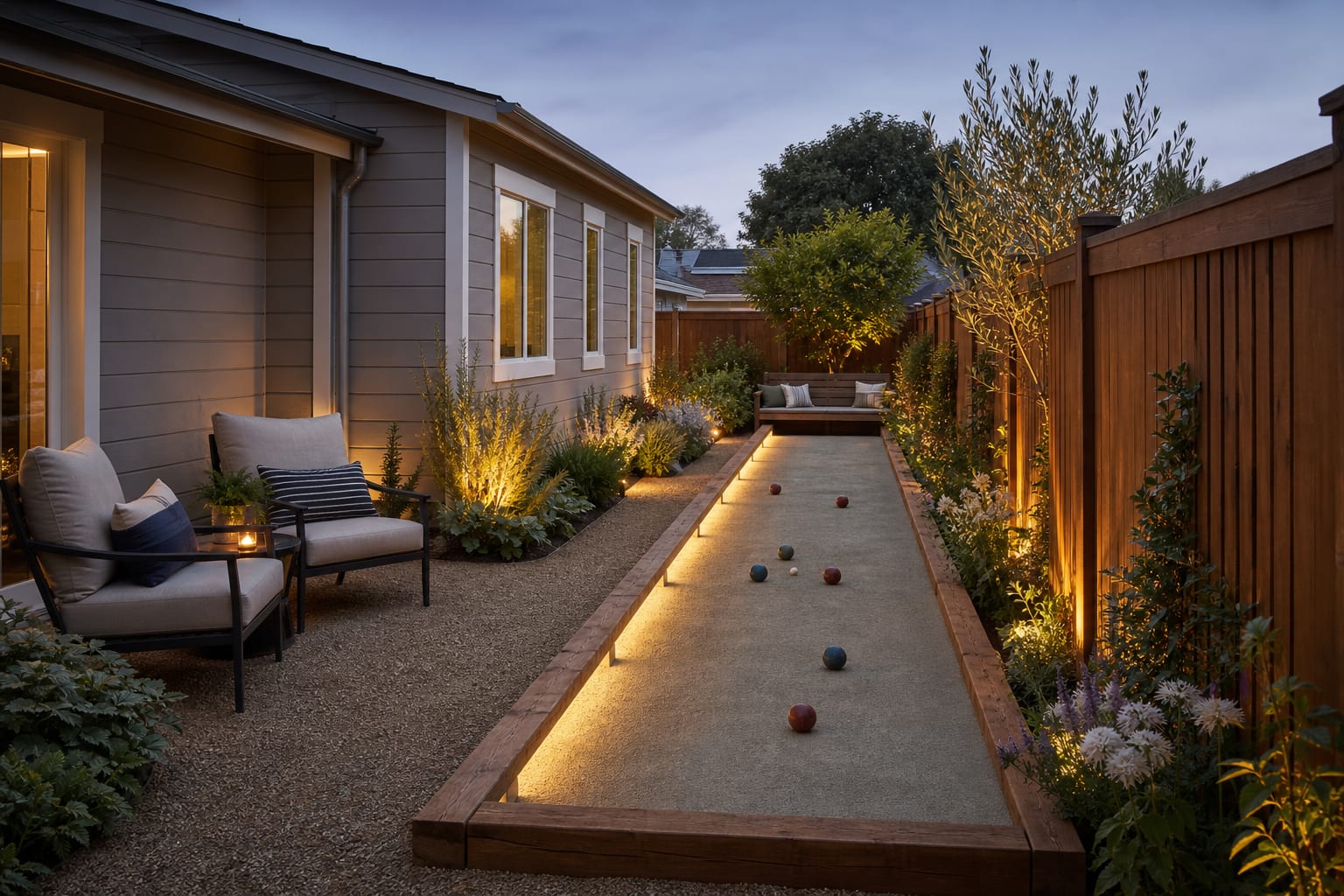
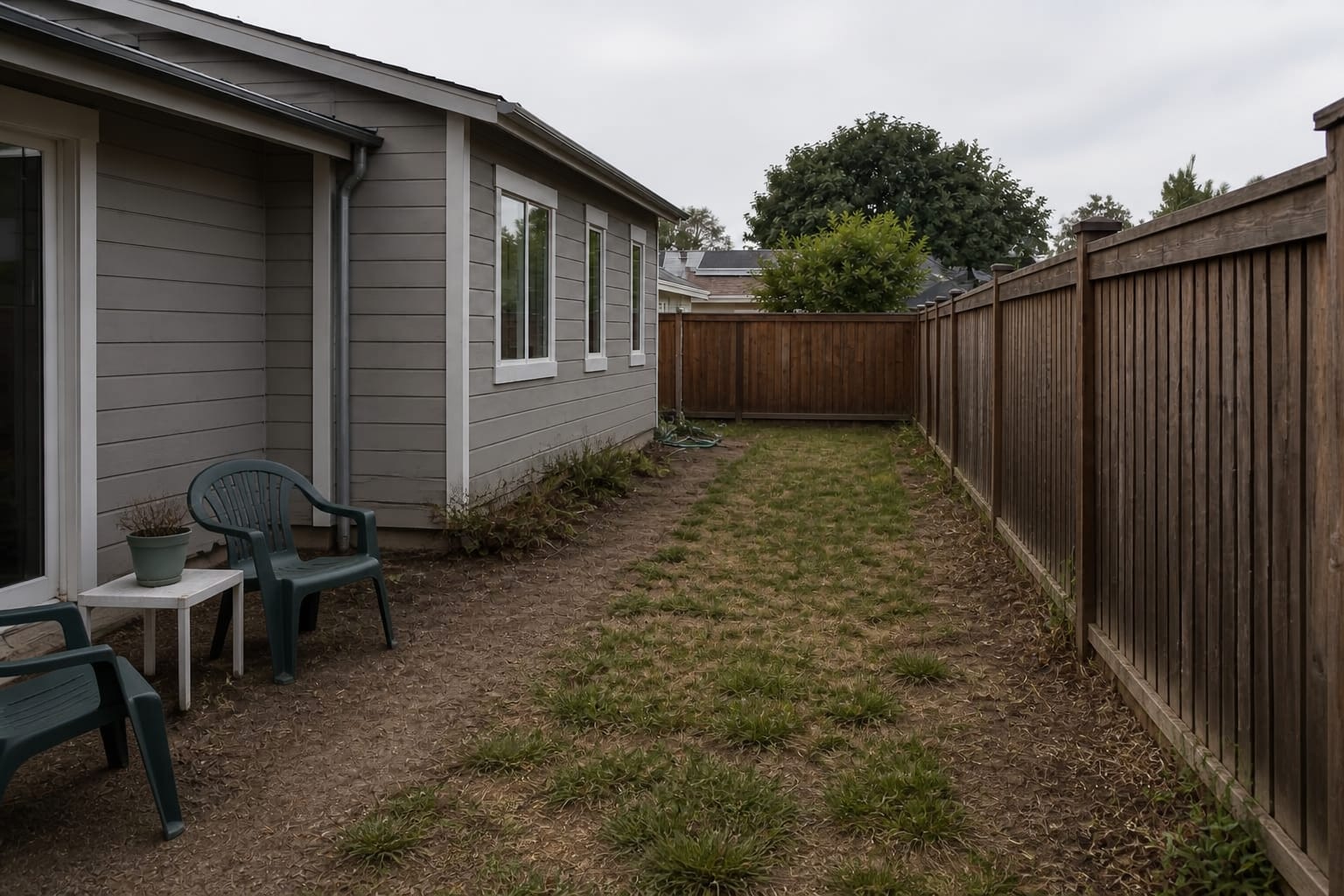
A backyard bocce court reads regulation when it measures roughly 60ft x 12ft (or a scaled-down 36-50ft version) on a 4in compacted oyster-shell or crushed-limestone base, framed by 6-8in steel or timber borders, level within 1/2in end to end. Get the base, size, and borders right and the court becomes a real social anchor instead of a dusty strip nobody uses after the first party.
How do you build a backyard bocce court that plays well?
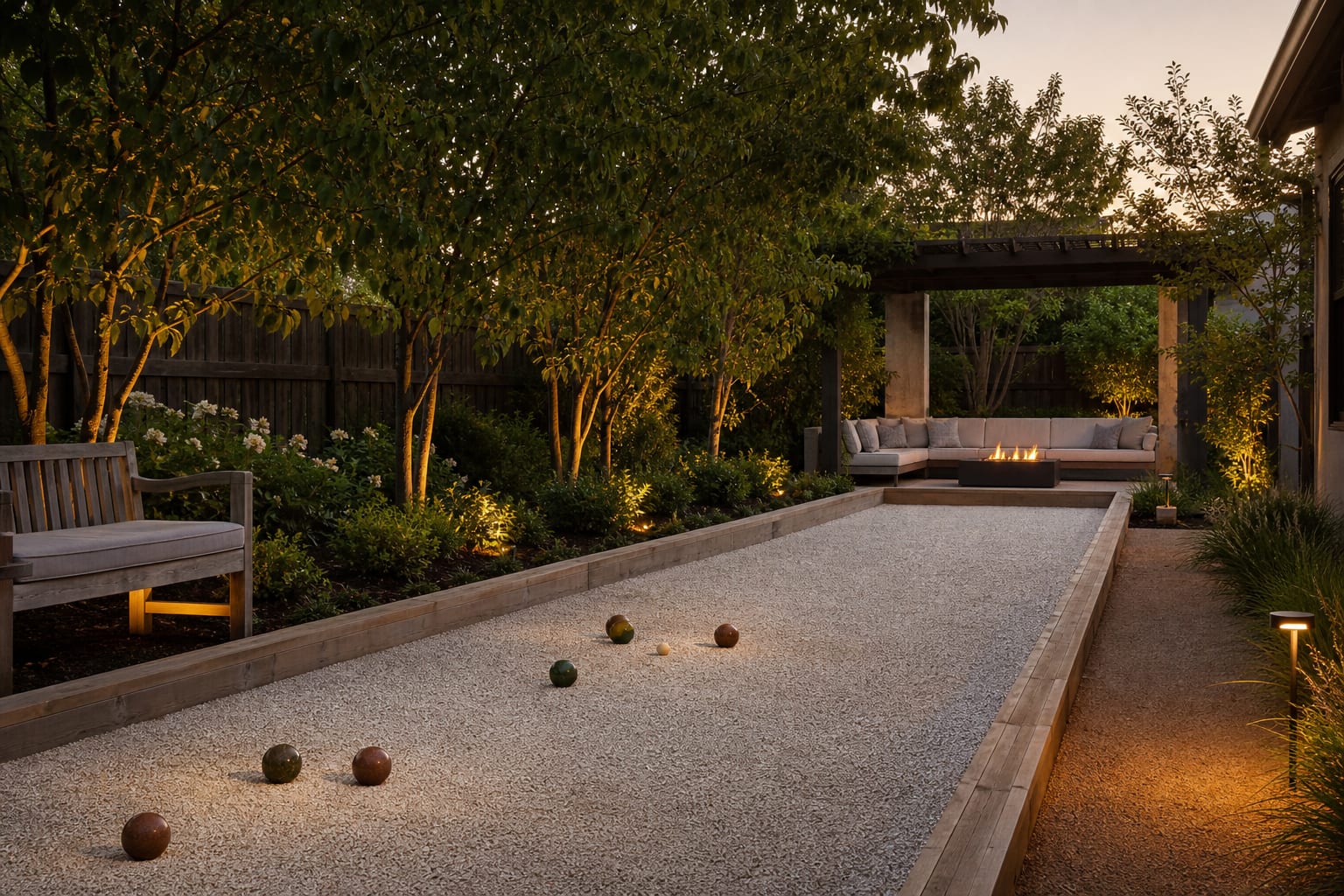
Choose a level rectangle, excavate for a compacted base, add drainage, install firm borders, then finish with crushed oyster shell, stone dust, decomposed granite, or synthetic turf. Regulation is about 13 by 91 feet, but most yards do better at 10-12 feet wide by 40-60 feet long — enough length without turning the whole backyard into a sports facility.
Start with location, not material. Set the court parallel to a fence, retaining wall, garage, or planting bed so the shape feels intentional rather than diagonal and accidental. A court is a strong line; if it ignores the house and existing paths, the yard feels sliced in half.
The base matters more than the surface you photograph. Plan for excavation, a compacted aggregate layer, edge restraint, and a top layer that rolls true. A 4-6in compacted crushed stone base is the minimum, with more depth in soft or wet soil, and water still needs a path through the base or toward a discreet drain.
Leave at least 3 feet of clearance along one long side for spectators and circulation, plus room at the ends to step, turn, and retrieve balls. If the court sits near a patio, plan the evening rhythm too: drinks, a throw, a seat, another throw.
Test this on your own photo with ReDesign before you choose a final direction; keep the house edge, horizon line, hardscape, planting beds, and main path visible so the preview solves the space you actually have.
Which dimensions, surface, and border should lead the design?
Pick dimensions based on usable yard length, player skill, and how much seating you want beside the game. A 13x91ft court is the formal reference but rarely the best fit for a family yard; even a 9-foot-wide court can work if the border and surface are clean.
| Court choice | Best backyard use | Spec that keeps it honest |
|---|---|---|
| 10 by 40 feet | Small yards, casual family play | Keep the surface very true — short courts magnify bounces |
| 12 by 50-60 feet | Most recreational backyards | Leave a 3ft walking strip along at least one long side |
| 13 by 91 feet | Serious players, long lots | Reserve extra room for ends, seating, and maintenance access |
| Crushed oyster shell | Classic bocce feel in dry climates | Compact in thin lifts; refresh the top layer as roll quality fades |
| Synthetic turf | Tidy look near pools or strict-maintenance rentals | Choose a tight, low-pile product built for putting or bocce |
Surface choice sets the mood. Oyster shell feels traditional and bright, stone dust is quiet and utilitarian, decomposed granite suits desert or Mediterranean planting, and synthetic turf stays neat but less authentic underfoot — practical by a pool, less so under trees.
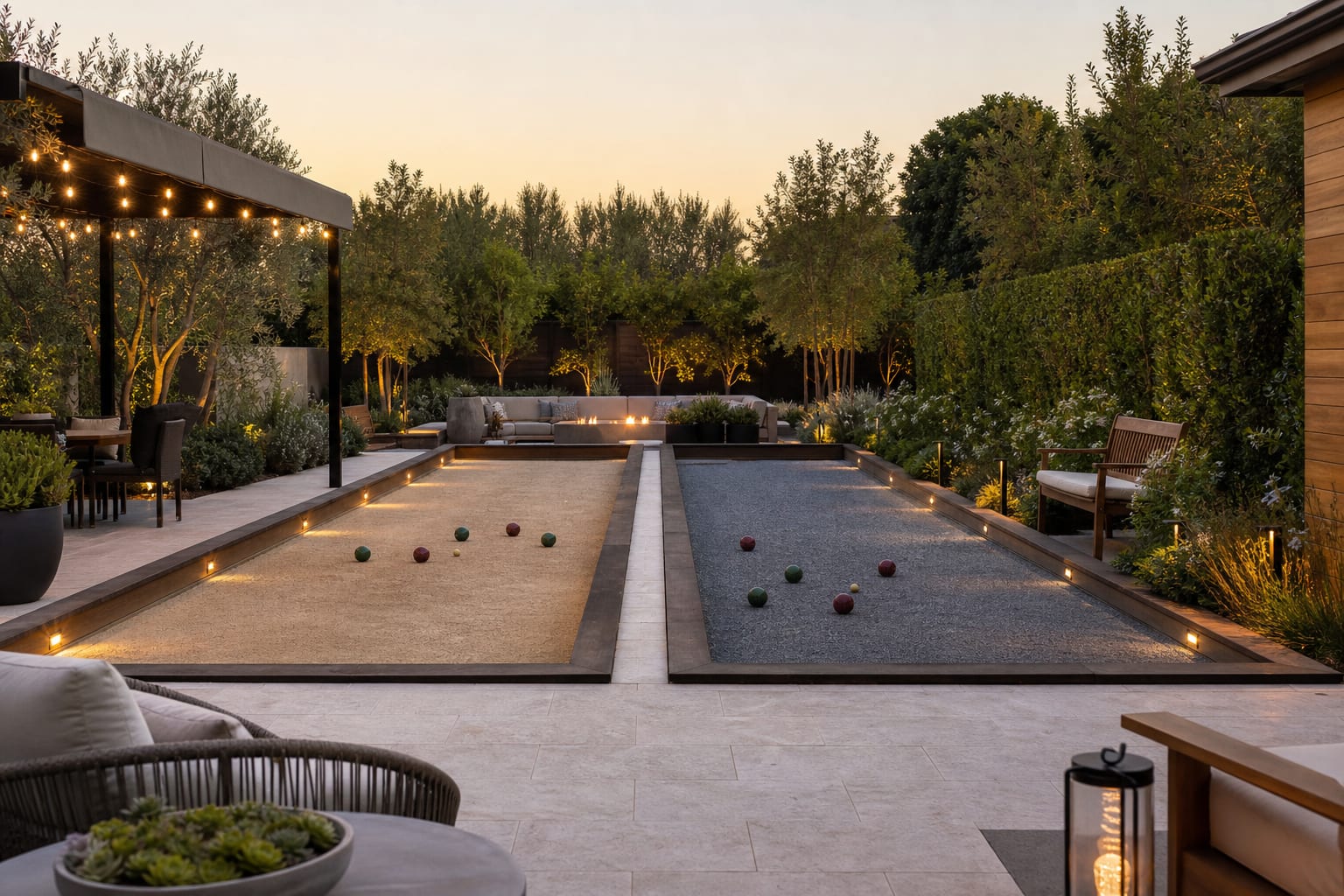
Borders aren't optional: a bocce ball is heavy enough to punish flimsy edging. Use pressure-treated timber, cedar, steel, concrete curb, stone, or masonry, with 6-8in sideboards and taller end boards to stop hard throws. Cap sharp edges, since people will sit and lean on the border regardless.
Plan lighting before installation rather than bolting one glaring fixture to the house. Use low bollards, shielded path lights, or side-mounted fixtures that graze the court, and pair the plan with warm outdoor lighting for paths and patios. Keep fixtures out of the ball path and aimed so players see the pallino, not the lamp.
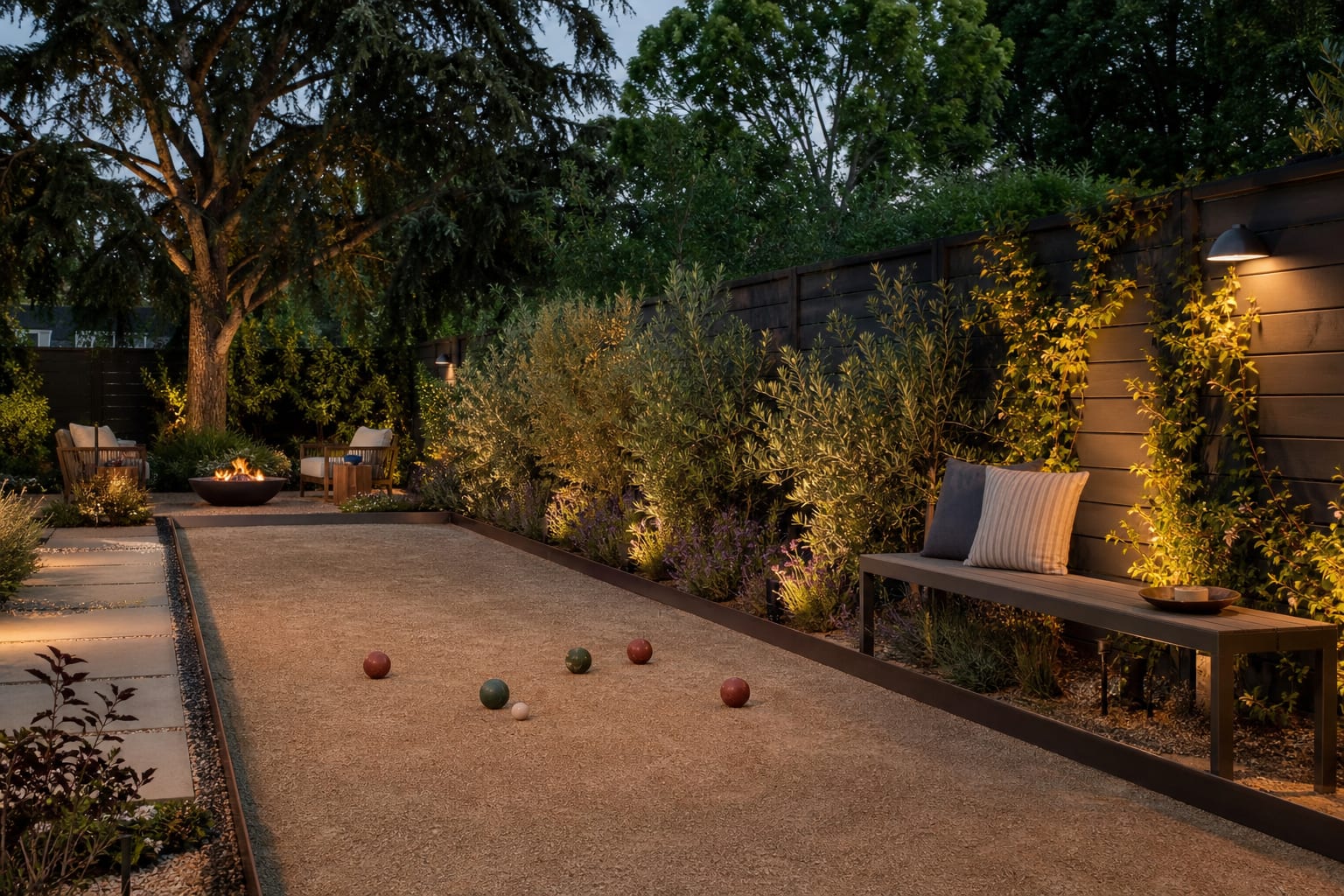
Five ideas worth testing before you build:
- Run a narrow 10ft court along a fence with a 2-3ft planting strip on the opposite edge so it reads as landscaped, not squeezed against the boundary.
- Make a 12x55ft court the spine between a dining patio and fire seating, with cross-paths at each end so guests don't walk through active play.
- Use a 6x6 timber-framed edge for a relaxed cabin or family look; the thick profile holds gravel or stone dust better than thin plastic edging.
- Choose synthetic turf near a pool or outdoor shower, and coordinate placement with practical outdoor shower ideas so wet feet and play don't collide.
- Add a 24-30in storage cabinet or covered niche at one end for balls, towels, and a scoreboard.
What mistakes ruin a backyard bocce court?
- Oversizing for the yard. A court that leaves no room for chairs, shade, or planting feels like a runway — shorten it before you delete every comfortable place to watch.
- Skipping drainage. Standing water or washed-out fines play badly and age fast; clay soil or a low-lying yard needs a deeper base and a real drain strategy.
- Using decorative pea gravel as the surface. It looks nice in a sample tray but won't give a predictable roll — use compactable fines, shell, stone dust, or sport-grade synthetic turf instead.
- Forgetting shade. Spectators abandon an exposed court in July; a pergola, tree canopy, or shade sail on the seating side matters as much as the finish.
- Isolating the court from the evening. Bocce pairs well with dinner and fire pits, but plan circulation so it doesn't block an outdoor movie night setup or force chairs through the playing surface.
- Overdecorating. Too many lanterns, flags, and novelty scoreboards make the court feel themed — let the clean border, surface, and planting carry the design.
Should you preview the court with AI design first?
Yes — the expensive questions are visual and spatial: length, border material, surface color, seating placement, and whether the layout organizes the yard or chops it up. Upload a straight photo of the side yard or patio edge, then test a timber-framed, stone-bordered, and synthetic-turf version from the same angle.
A preview won't replace a landscape contractor, drainage plan, or code review, but it lets you reject the wrong idea while the decision is still cheap — before a long rectangle of hardscape takes over the backyard.
Frequently Asked Questions
What is the standard size for a backyard bocce ball court?
Regulation size is 60ft x 12ft; a residential 36ft x 8ft court is the practical minimum that still produces a fair game. Anything shorter compresses the pallino landing zone too much for good play.
What is the best surface material for a bocce court?
Crushed oyster shell or decomposed granite compacted to 4in over a 4in gravel drainage base gives the smoothest, most consistent roll. Sand is too soft and lets the pallino sink.
Does a bocce ball court need to be perfectly level?
Yes, level within 1/2in end to end and side to side. A slight cross-slope of 0.5-1% toward one long edge helps drainage without noticeably affecting play.
How deep should the base of a bocce court be?
Plan on a 4in compacted gravel base for drainage plus a 4in compacted playing surface, an 8in total excavation. Add a non-woven geotextile between the two layers to keep them from mixing.
How do I keep weeds out of a bocce court?
A non-woven geotextile fabric between the gravel base and playing surface, combined with the compacted surface depth, blocks most weed germination. Top-dress annually with 1/2in of fresh crushed oyster shell.
> Try this: Ready to see this on your own outdoor space? Open ReDesign and run the preview before you buy materials, plant, drill, or move furniture.
Three transformations to try
1. Crushed oyster shell court with timber boards 2. Bocce court beside patio entertaining area 3. Low-lit bocce court with perimeter uplights