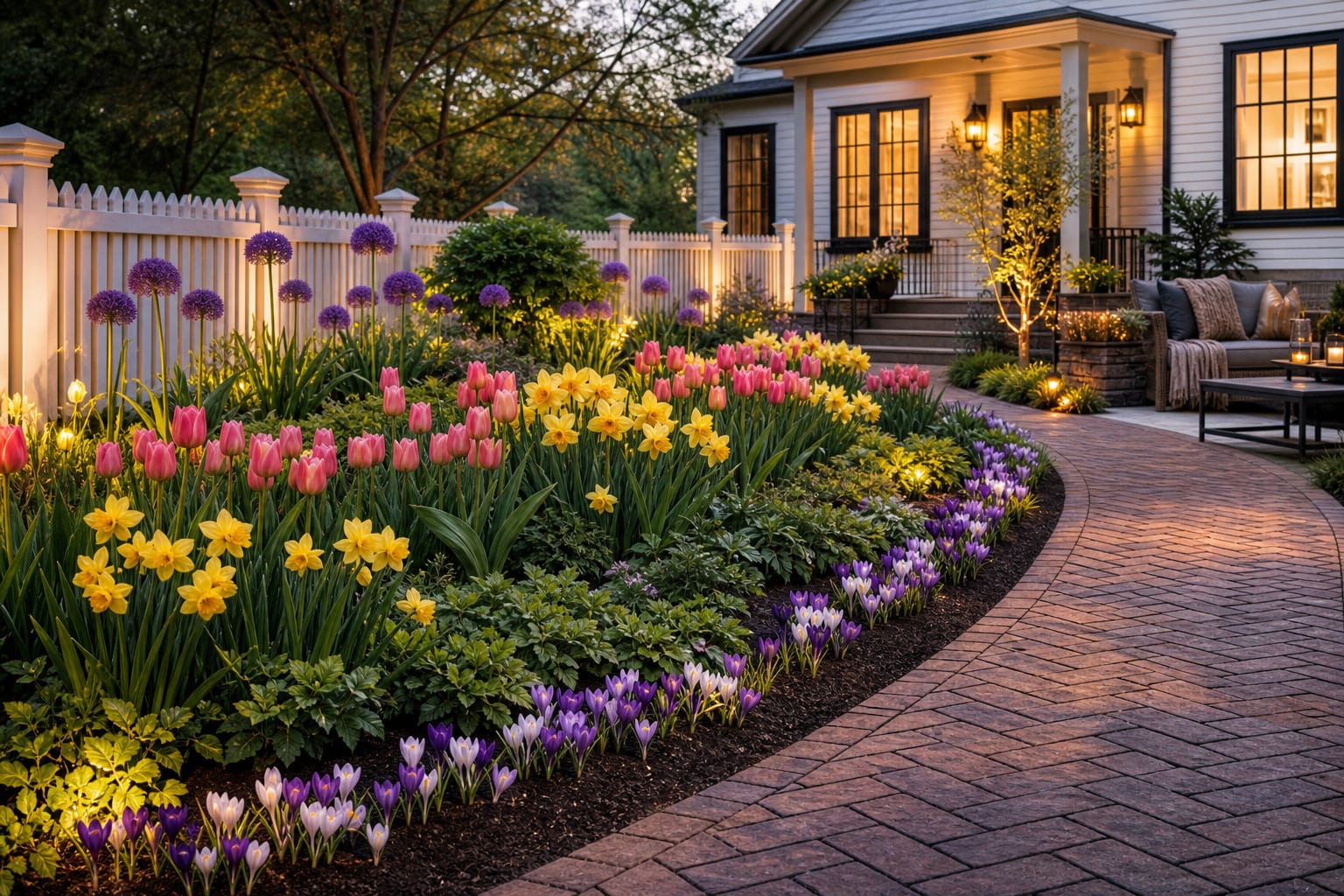
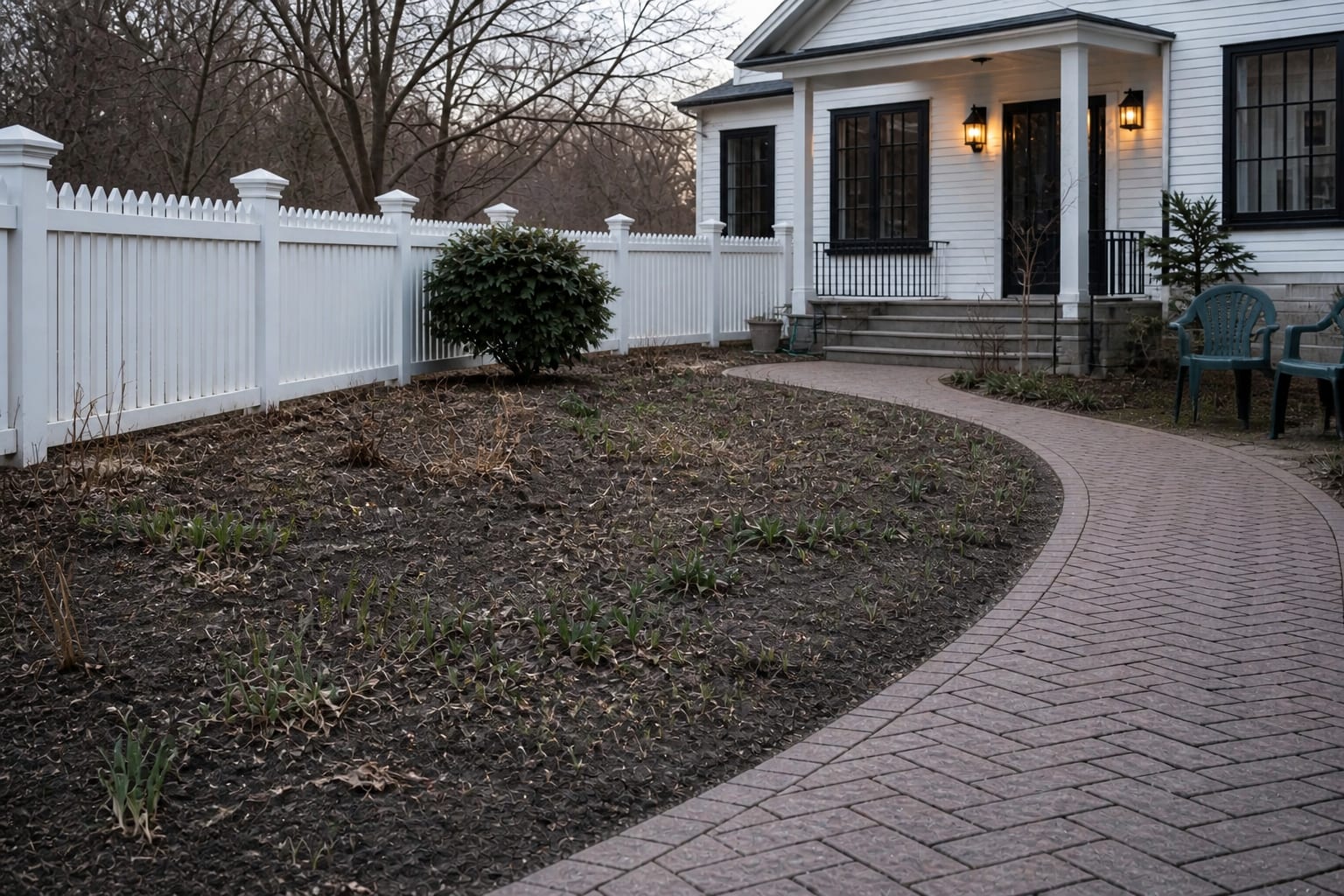
Bulb garden planting ideas that last from spring to fall rely on layering: group early bulbs (snowdrops, crocus), mid-spring bloomers (daffodils, hyacinths), late tulips, alliums, and summer or fall bulbs (lilies, dahlias, colchicum) in the same bed, then hide fading foliage under low ground cover so nothing looks bare between waves.
How Do I Plant Bulbs for a Season-Long Garden?
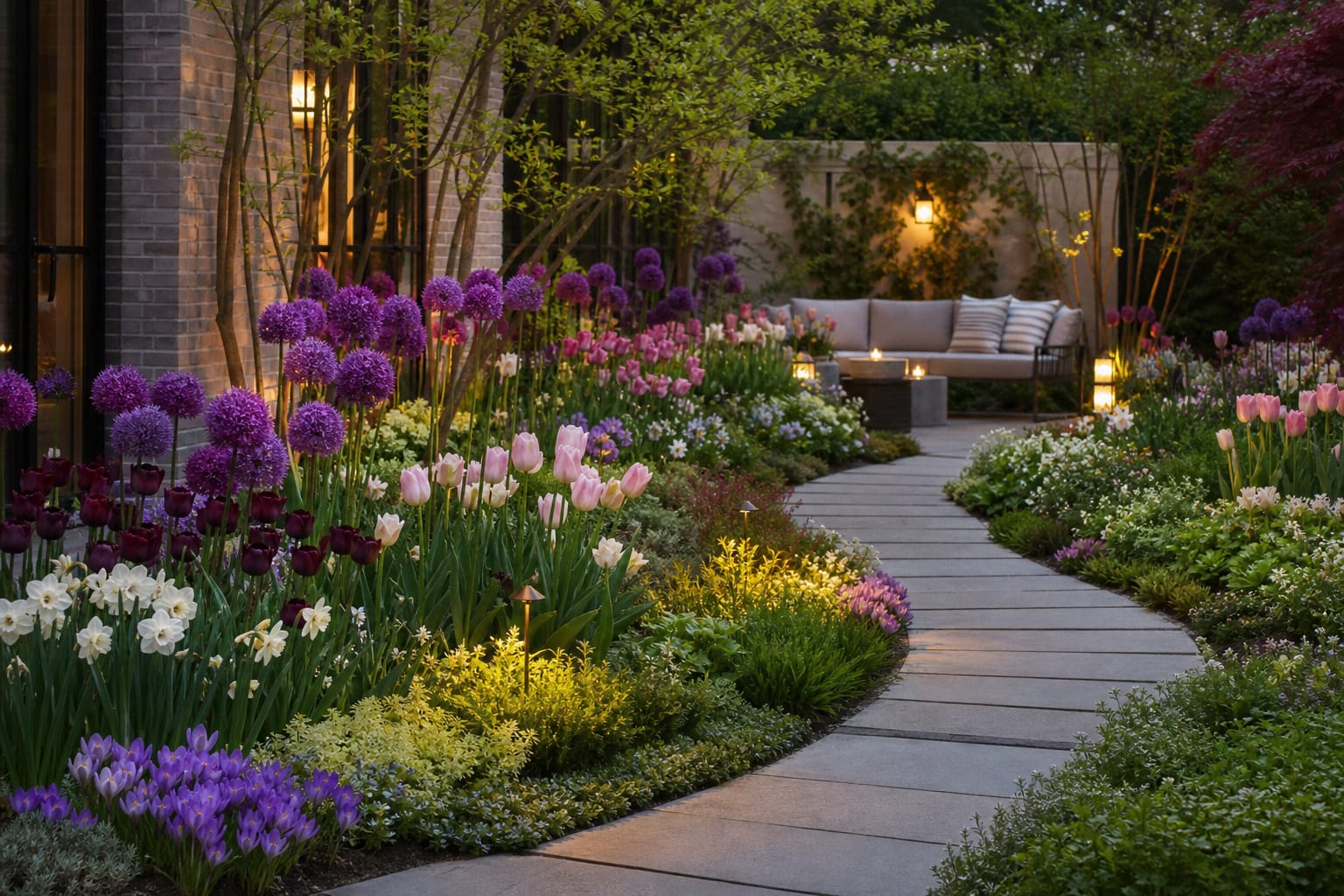
Start with the bloom calendar, not the color palette: very early (snowdrops, crocus, dwarf iris), mid-spring (daffodils, hyacinths), late spring (tulips), late spring to early summer (alliums), then summer/fall bulbs (lilies, crocosmia, dahlias, colchicum) where climate allows.
Depth depends on bulb size, not habit. Plant most bulbs 2-3 times their own height deep, measured from base to soil surface:
| Bulb type | Typical planting depth |
|---|---|
| Large tulips, daffodils | ~6in |
| Crocus, small bulbs | ~3in |
| Alliums | 6-8in (size-dependent) |
In containers you can stack depths tightly; in open ground, leave room for roots and future clumps.
Plan for ugly leaves before you plant. Daffodil foliage can take 6+ weeks to yellow after bloom because it's feeding next year's bulb - hide the decline with emerging perennials, grasses, or evergreen ground cover instead of cutting it early. Near a street, a crisp edge, low hedge, gravel strip, or repeated pot line keeps the fading foliage reading as managed.
Test this on your own photo with ReDesign before you commit to a layout - keep the house edge, horizon line, hardscape, beds, and main path visible so the preview solves the space you actually have.
What's the Layering Strategy for Spring-to-Fall Color?
Think in a cross-section: low at the front, medium through the middle, tall punctuation behind, with later foliage rising as early leaves decline. If you can only picture the flowers and not the leaves, the plan will fail after the first flush.
Reserve the front 12in for tiny bulbs and low texture - snowdrops, crocus, grape hyacinths, dwarf iris, species tulips - since they bloom before most perennials wake. Plant daffodils and tulips behind them in loose triangles of 9 rather than straight rows.
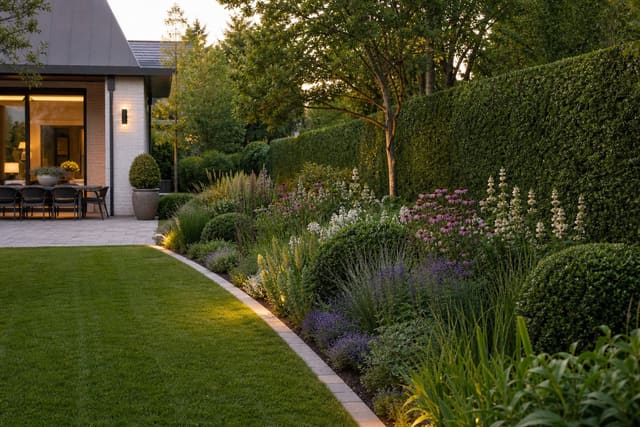
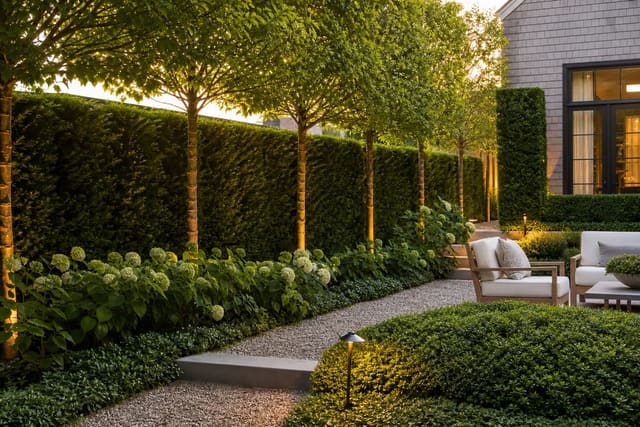
In the middle band, repeat rather than diversify: one reliable daffodil, one main tulip color, one accent bulb beats a dozen unrelated packets. Near a boundary, a clipped or informal hedge sharpens loose planting - see living fence and hedge ideas for that same structure-versus-softness logic.
Starting combinations to adapt for your climate and deer pressure:
- Crocus + catmint + allium. Early color, then catmint hides fading crocus foliage, then 30in allium globes hold height after tulips fade.
- White daffodils + grape hyacinths + sedge. Daffodils at 14-18in, grape hyacinths at the edge, sedge covers bare soil as bulb leaves yellow.
- Species tulips under deciduous shrubs. At 6-12in tall, they bloom before the canopy leafs out and suit small natural clusters in dry, rooty soil.
- Tulips + hardy geraniums. Plant tulips 6in deep; geranium foliage swells around them by May so the bed doesn't collapse when petals drop.
- Alliums behind low mounders. Stems run 24-48in but leaves look tired by bloom time - front them with nepeta, salvia, or low grasses.
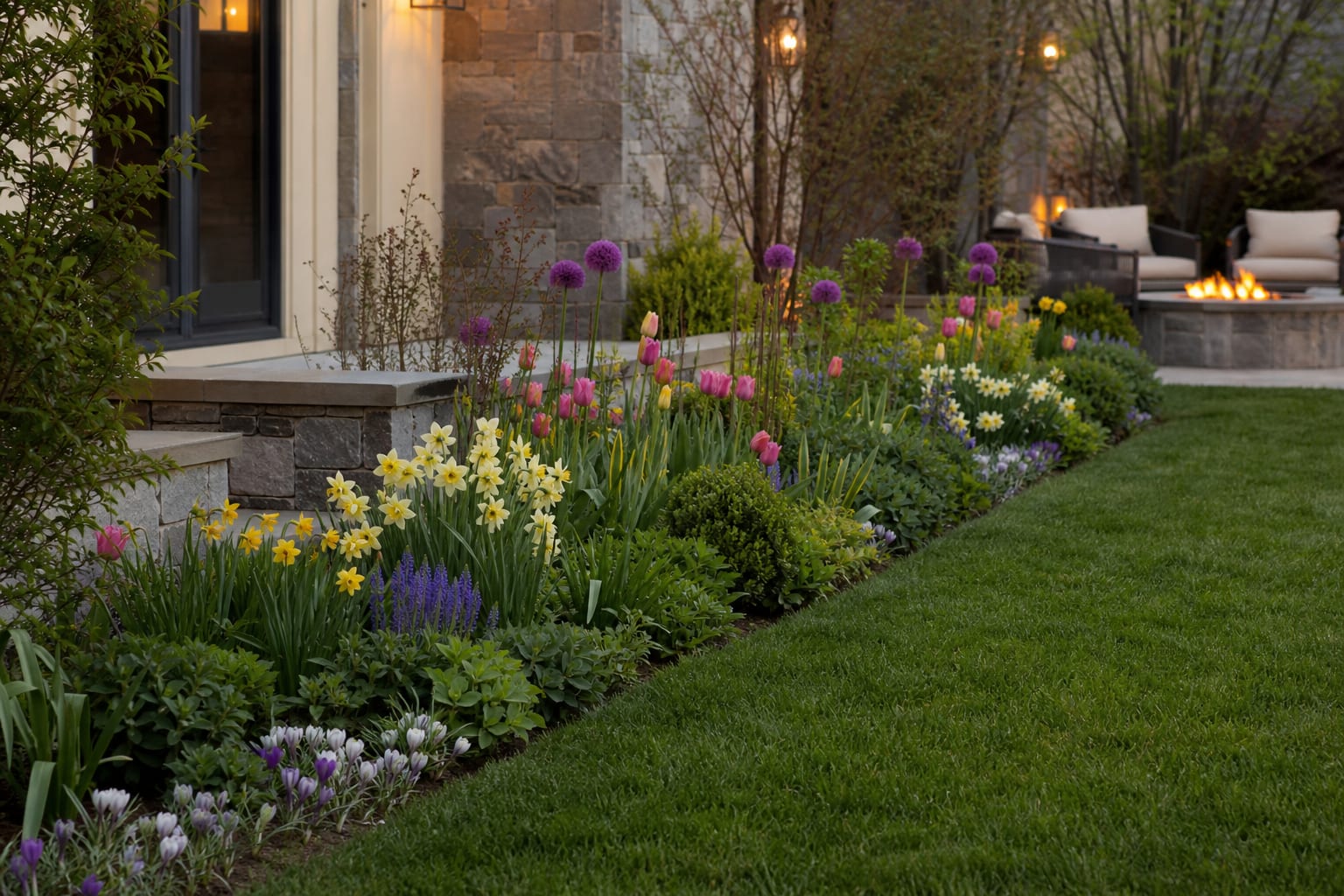
If the bed sits under dense evergreen shade, bulb performance usually drops even with early bloomers. Compare your plan against ground cover ideas for difficult beds - a tough foliage carpet may beat forcing tulips into gloom.
Design-check shorthand: depth before decoration, repetition before variety, maintenance before novelty.
What Mistakes Ruin a Bulb Garden?
- One depth for every bulb. Small bulbs disappear if buried like tulips; large bulbs dry out or topple near the surface. Sort by size before digging and use separate pockets.
- One bloom week only. A mass of late tulips looks spectacular, then empty. Cover at least three bloom windows - early, mid, late - plus summer bulbs or perennials for longer interest.
- Ignoring foliage. Leaves must stay until they yellow; braiding or cutting early reduces the leaf area feeding next year's bulb.
- Scattering too thin. Three lonely tulips in an 8ft border won't register from the kitchen window. Cluster in odd numbers, repeat every 3-5ft, leave gaps for mulch and weeding.
- Ignoring animals and weather. Where deer browse tulips, lean on daffodils, alliums, and snowdrops instead. Lay hardware cloth over fresh plantings until soil settles if squirrels dig. In exposed or windy sites, borrow screening ideas from sound barrier garden design rather than relying on bulbs alone for structure.
Should I Preview My Bulb Garden With AI Before Planting?
Yes - previewing color blocks, bed edges, and height layers on your own photo before ordering bulbs catches spacing and palette problems for free. Use a specific prompt: early bulbs along the front 12in, tulips in 9-bulb drifts through the middle, alliums at back, low perennials covering fading foliage by late spring.
Upload a straight-on shot from the path, patio, or kitchen window - the angle where gaps will bother you most. Test a restrained palette, a high-contrast one, and a soft white-and-yellow scheme. If the preview looks spotted, cut the variety count; if the path feels squeezed, pull tall planting back 18-24in from the edge.
AI won't confirm hardiness for your microclimate or replace checking depth on the packet - its value is visual, showing whether the border needs a stronger edge, fewer colors, wider drifts, or more evergreen support before bulbs go underground. Renters can preview a 16-20in deep planter for layered bulbs instead of cutting a permanent bed; owners can test steel edging, gravel paths, and shrub backdrops at the same time.
Frequently Asked Questions
When should I plant bulbs?
Plant spring bloomers (tulips, daffodils, hyacinths) 6-8 weeks before the ground freezes - typically October to early November in zones 5-7. Plant summer bulbs after the last frost.
How deep should I plant a bulb?
Two to three times the bulb's height. A 2in tulip bulb goes in a 5-6in hole, pointed end up and roots facing down.
How do I get continuous bulb bloom?
Layer early (crocus, snowdrop), mid (daffodil), and late (tulip, allium) bulbs in the same bed. A single layered planting can deliver 6-10 weeks of continuous color.
Do bulbs come back every year?
Daffodils, alliums, crocuses, and species tulips reliably return. Hybrid Darwin and parrot tulips weaken after year two and read best as an annual replant or in a contained bed.
How do I hide dying bulb foliage?
Interplant with low ground covers like creeping phlox or hardy geranium, or pair bulbs with hostas and ferns whose summer foliage grows in just as the bulbs go dormant.
> Try this: Ready to see this on your own outdoor space? Open ReDesign and run the preview before you buy materials, plant, drill, or move furniture.
Three transformations to try
1. Spring bulb border with tulips and daffodils 2. Bulb garden under flowering tree 3. Layered bulb meadow with allium pop