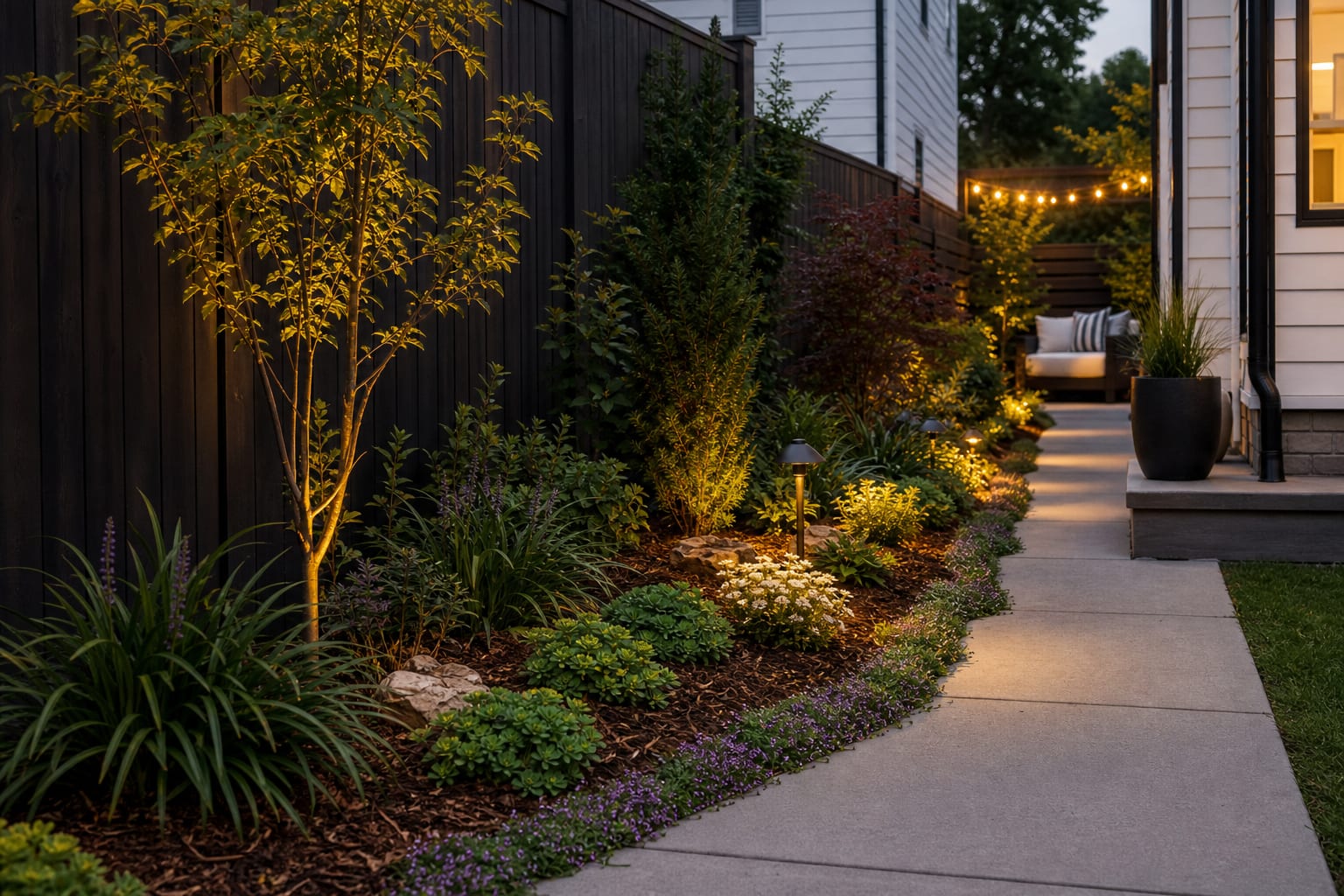
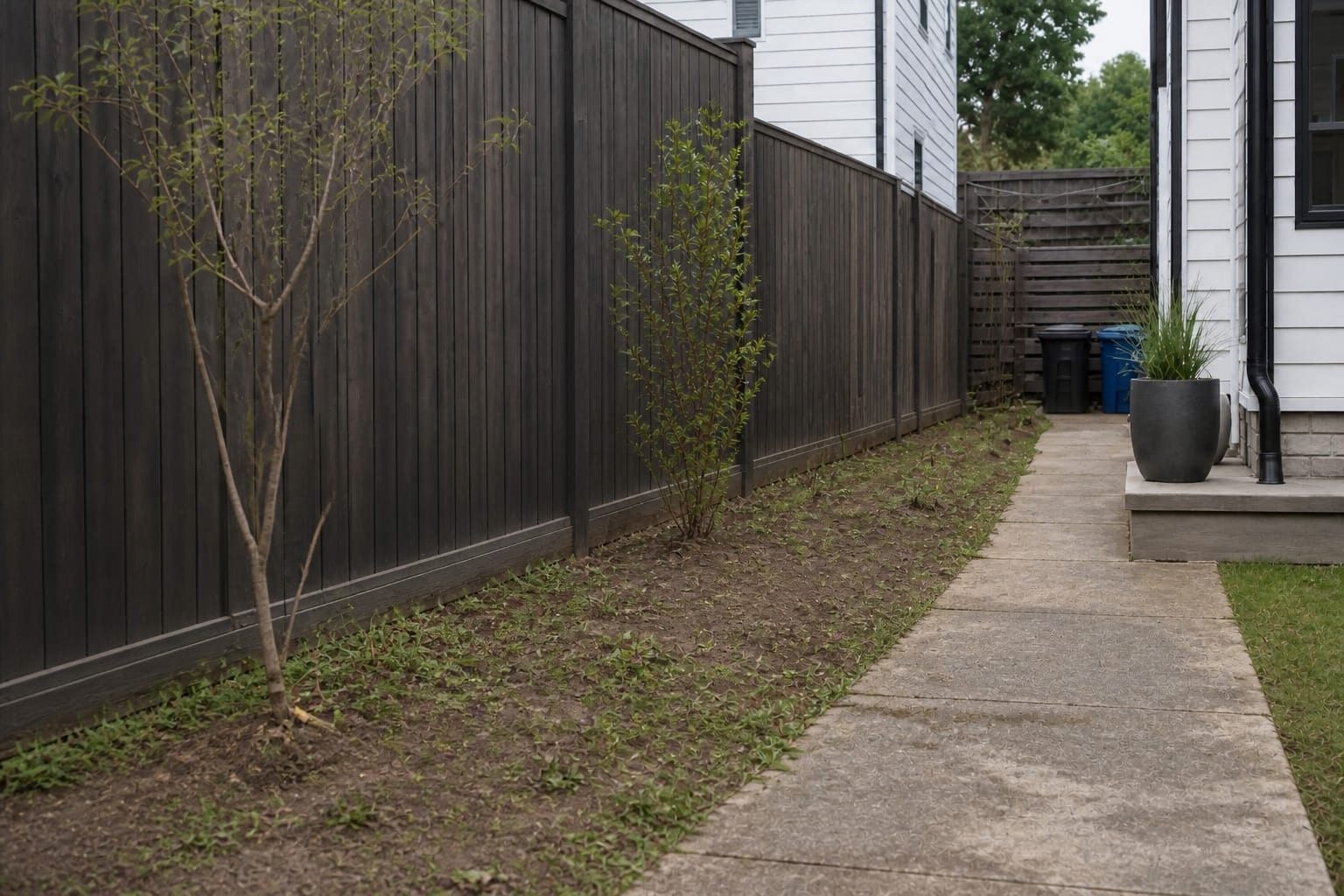
Ground cover ideas that work replace thin lawn or bare beds by matching species to light and traffic: creeping thyme and stepables for sunny paths, vinca or pachysandra for shade, sedum mats for hot dry strips. Plant on 12-18 inch centers, skip bare soil, and treat ground cover as the foundation layer of the planting design rather than an afterthought.
Which ground cover plants replace grass best?
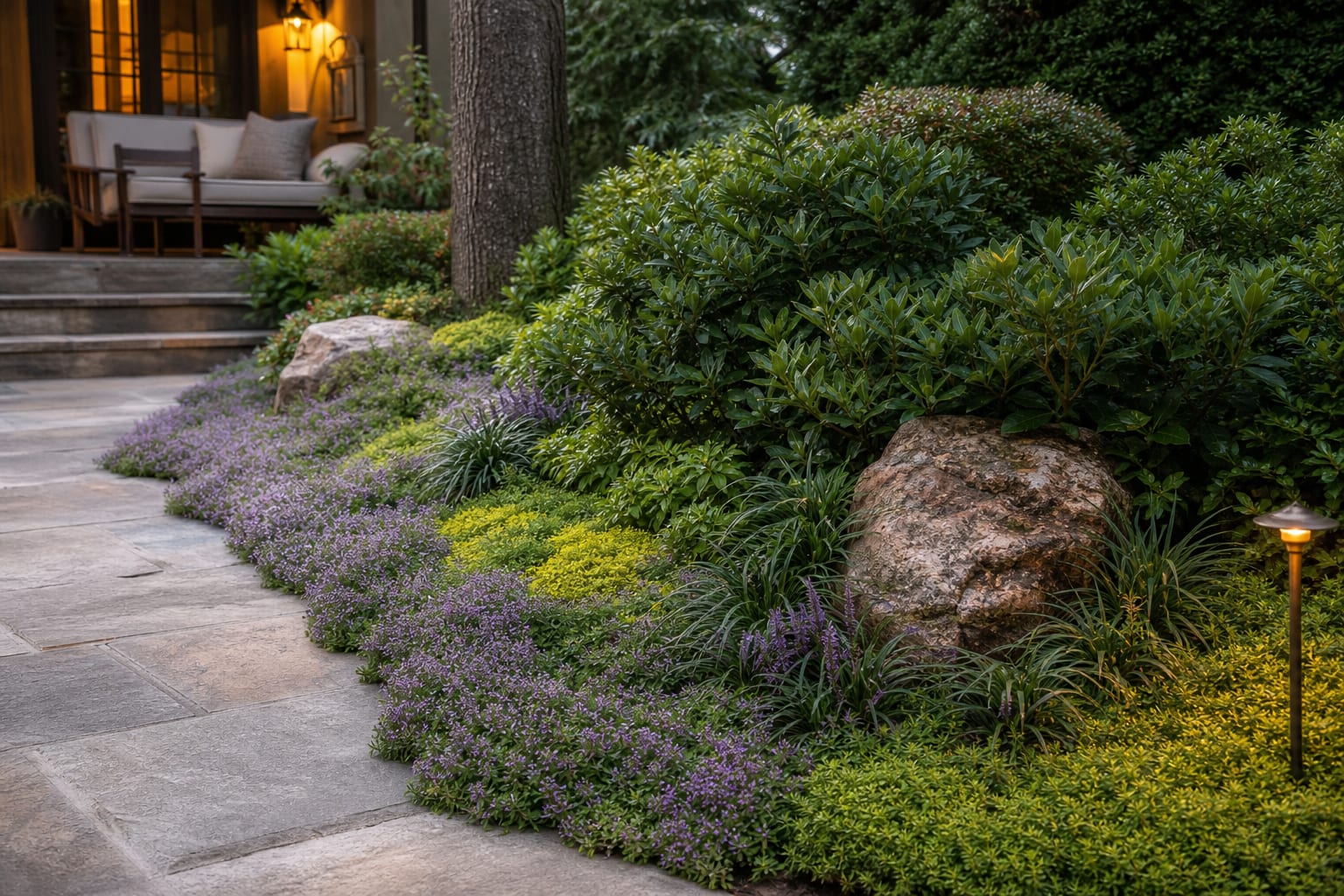
Dense, low-growing species — creeping thyme, sedum, ajuga, liriope, clover, mondo grass, native violets — shade the soil and spread into gaps, cutting down the open dirt where weeds germinate. No single plant suits the whole yard: a sunny slope needs a different answer than a damp side yard.
Filter by height first. For a lawn-like effect, stay under 4 inches with creeping thyme, miniature clover, or low sedum. For bed edges and shrub underplanting, 6-12 inch plants like liriope, ajuga, dead nettle, or violets hide fallen leaves and uneven soil without looking overgrown.
- Creeping thyme works between stepping stones spaced 2-4 inches apart; small leaves spill over edges without swallowing the path.
- Sedum suits hot, lean soil with limited irrigation, especially in beds at least 6 inches deep.
- Ajuga mats quickly in part shade but needs a defined edge — runners can move 12 inches or more in a season.
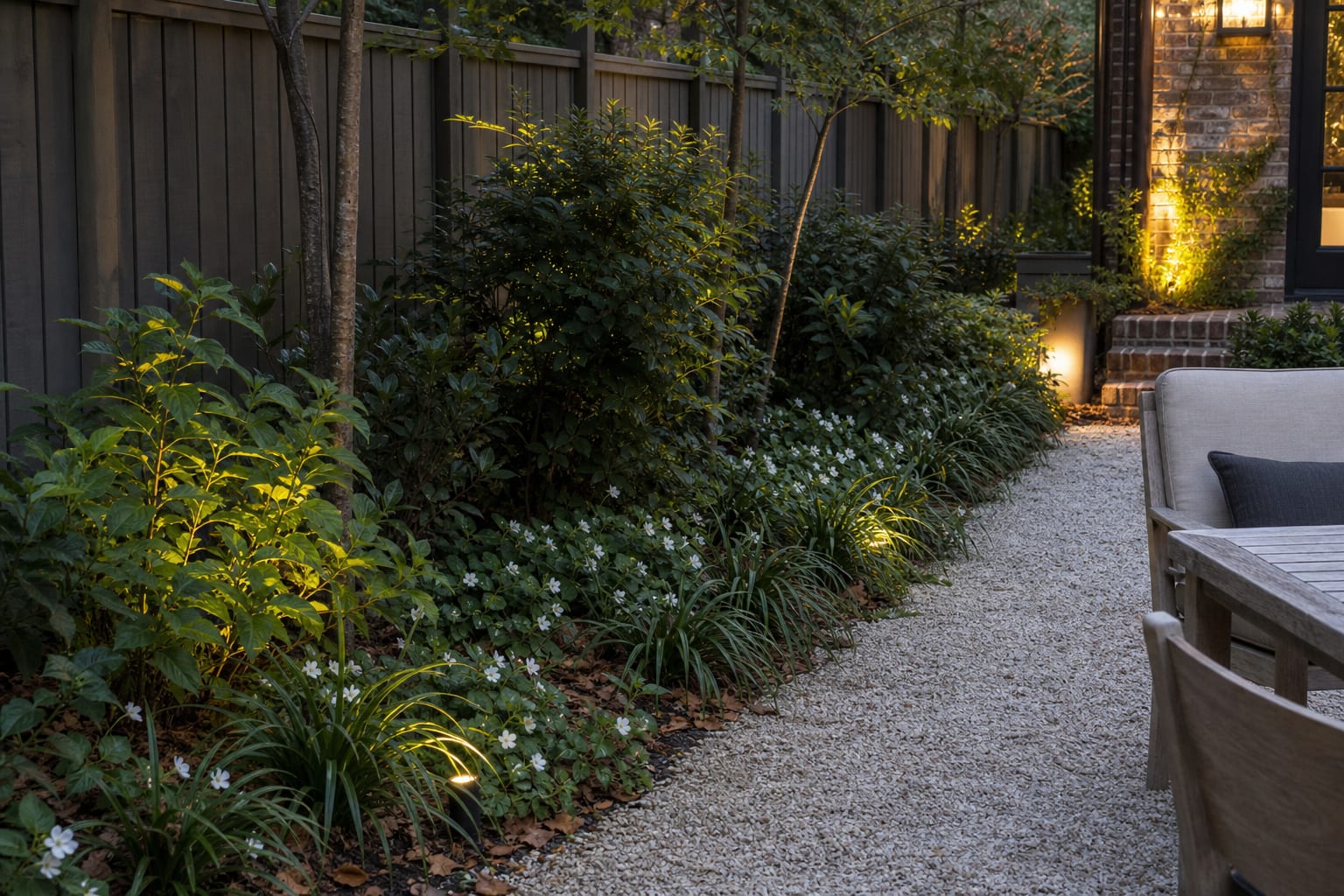
- Liriope and mondo grass solve shade strips along fences or foundations where turf goes patchy; blades run 8-15 inches.
- Clover is the most grass-like no-mow option for casual areas, but belongs in relaxed gardens since flowering and reseeding are part of the look.
- Native violets, wild ginger, or regional sedges outperform turf under trees because they tolerate shade and root competition.
How do you choose a ground cover that will actually knit together?
Start with how the area gets used. Daily foot traffic from kids, dogs, or bins needs a tougher surface than a decorative bed; keep real circulation on stone, gravel, or mulch paths at least 24-36 inches wide and let the plant soften the route instead of substituting for pavement.
Light decides the rest. Full sun (6+ hours) suits thyme, sedum, creeping phlox, and some clovers. Part shade (3-6 hours) favors ajuga, violets, mazus, and sedges. Dry shade under trees is hardest — amend lightly, avoid major roots, and use plugs instead of deep digging.
| Garden condition | Better ground cover direction | Spec that keeps it sane |
|---|---|---|
| Hot strip beside paving | Sedum, thyme, ice plant in mild regions | Keep under 4in so the path edge stays visible |
| Damp shade beside a fence | Ajuga, violets, wild ginger, liriope | Space plugs 9-12in apart for faster coverage |
| Under mature trees | Native sedges, violets, pachysandra alternatives | Use 2in leaf mold, not tilling over roots |
| Slope that sheds mulch | Creeping juniper, cotoneaster, low grasses | Stagger rows 12-18in apart to slow runoff |
What planting pattern suppresses weeds instead of feeding them?
A ground cover suppresses weeds only after canopy closes over the soil; until then, every gap is a germination zone. Remove perennial weed roots, water deeply, wait 10-14 days for hidden seeds to sprout, then skim seedlings before planting.
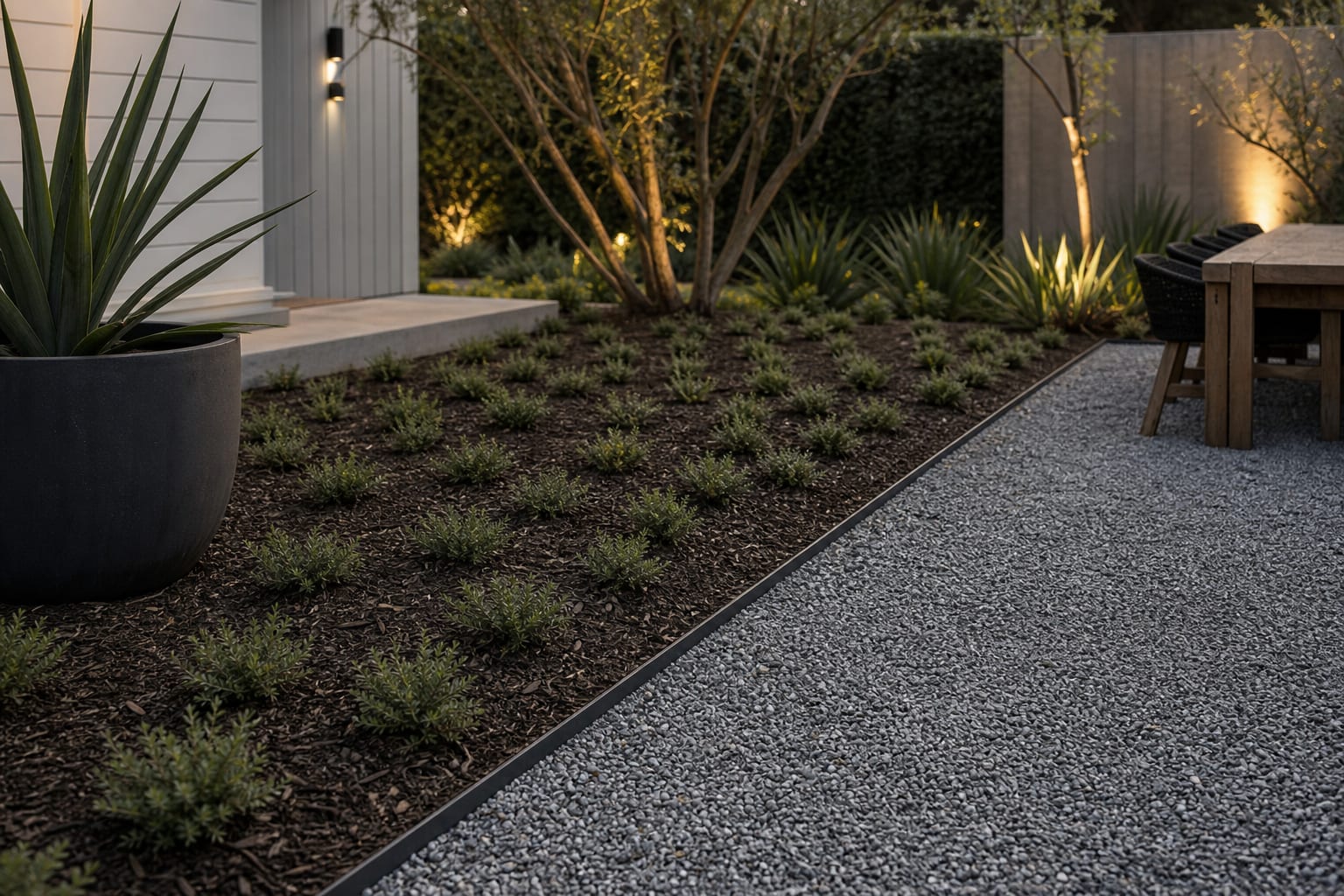
Plant in offset triangles, not rows. Tiny 2-3 inch plugs go 6-9 inches apart for fast coverage on visible slopes; quart-size plants can go 12-18 inches apart unless the bed must look full immediately. Water at soil level, then mulch between crowns with 1-2 inches of fine bark, leaf mold, or gravel suited to the plant — never bury the crowns, since thyme and sedum rot in packed wet mulch.
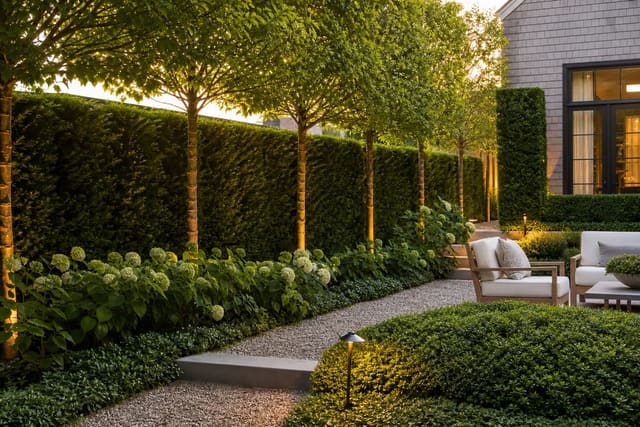
Hand-weed every 2-3 weeks the first season; once the canopy closes, weeding becomes patrol work instead of excavation. If the bed borders a fence or wall, run low ground cover under shrubs and climbers rather than at the same root line as aggressive vines — pair this plan with climbing plant fence ideas so the ground layer and vertical screen mature together, or layer climbing plant fence ideas above it for a bed with a real bottom, middle, and back.
What mistakes make ground cover fail?
- One species everywhere fails because light zones differ across a yard; divide the garden into 2-4 compatible zones instead.
- Spacing too wide leaves bare soil exposed; if the label says 18 inches, use 12 inches in visible beds.
- Using ground cover as a path fails under daily traffic; set stepping stones or gravel first, then let plants fill the 2-4 inch joints.
- Skipping soil prep hands weeds a head start; clear perennial roots and loosen the top 4-6 inches before planting.
- Aggressive spreaders without an edge become a maintenance problem — ajuga, vinca, and some ivies need hard boundaries, and locally invasive species should be skipped.
Buy more plugs and plant tighter if you want coverage this season. On a tight budget, mulch the whole bed now, plant the most visible third densely, and expand later.
Can AI design help preview ground cover before planting?
Yes — upload a photo of the bare or weedy area and preview it as a planted mass before buying flats of plugs, since ground cover reads as repetition, not individual leaves. Take the photo at standing height, include the path or lawn edge, and keep a fixed reference like a fence post or step in frame.
Ask for a sunny scheme, a dry shade scheme, and a no-mow scheme, then compare how each changes the perceived width of the bed. The image tests composition; the plant list still needs to match your climate and local guidance. In small gardens where every foot is visible from a window, this preview is the difference between a thyme carpet that looks sparse from the kitchen and a liriope-and-sedge mix that reads strong along a 20-foot fence line.
Test this on your own photo with ReDesign before you choose a final direction; keep the house edge, horizon line, hardscape, beds, and main path visible.
Frequently Asked Questions
What is the fastest-growing ground cover?
Vinca minor, creeping jenny, and pachysandra fill in within two seasons. Creeping thyme and sedums take three to four seasons for full coverage, so plant them tighter if you want faster results.
Which ground covers handle foot traffic?
Creeping thyme, Irish moss, Corsican mint, and sedum mats tolerate light foot traffic. For genuine paths, pair stepping stones with the ground cover rather than asking the plant to act like turf.
Can ground cover replace a lawn?
Yes, for low-traffic decorative areas. Creeping thyme, white clover, or sedum mats stay under 4 inches and tolerate occasional foot traffic, but high-traffic kid-and-dog lawns still need turf.
How do I keep ground cover from spreading?
Edge the bed with a steel or stone barrier set 4 inches deep, and pick species rated for your zone. Invasive runners like English ivy or Japanese pachysandra in some regions jump any edge that isn't deep enough.
Do ground covers need mulch?
Mulch lightly between plants until the canopy closes, usually about two seasons. Once established, the ground cover is its own mulch, and adding more smothers the crowns.
> Try this: Ready to see this on your own outdoor space? Open ReDesign and run the preview before you buy materials, plant, drill, or move furniture.
Three transformations to try
1. Creeping thyme path strip 2. Shade bed with pachysandra and hostas 3. Sedum mat on hot south slope