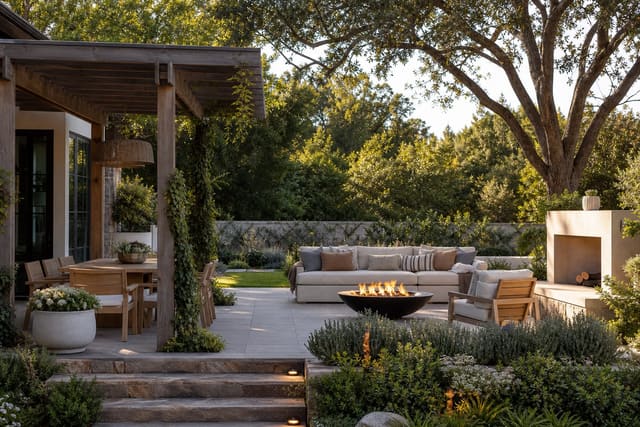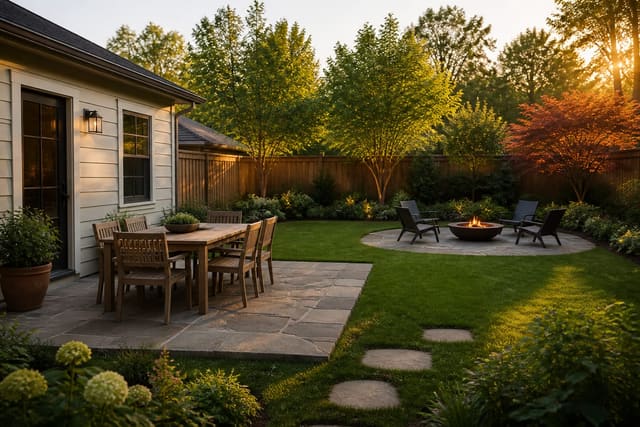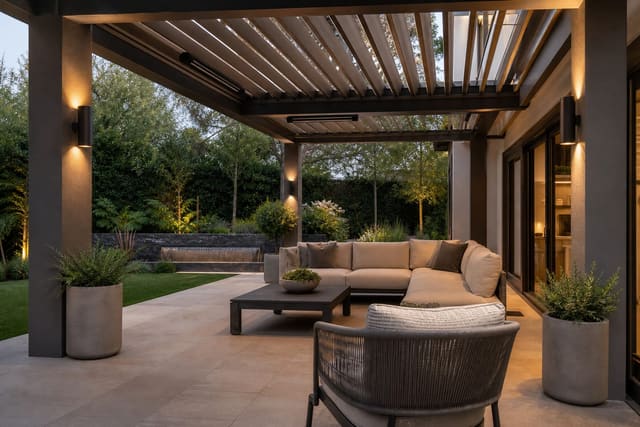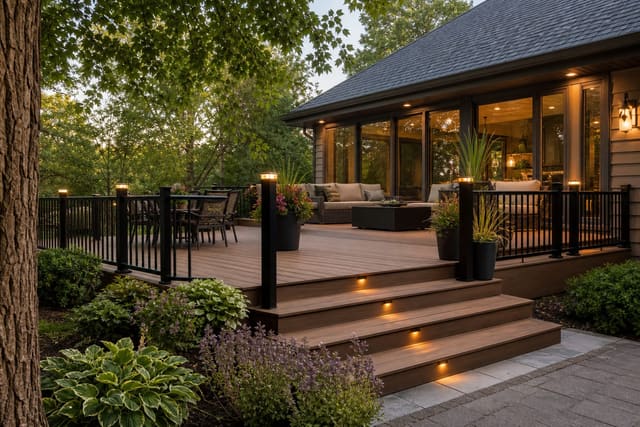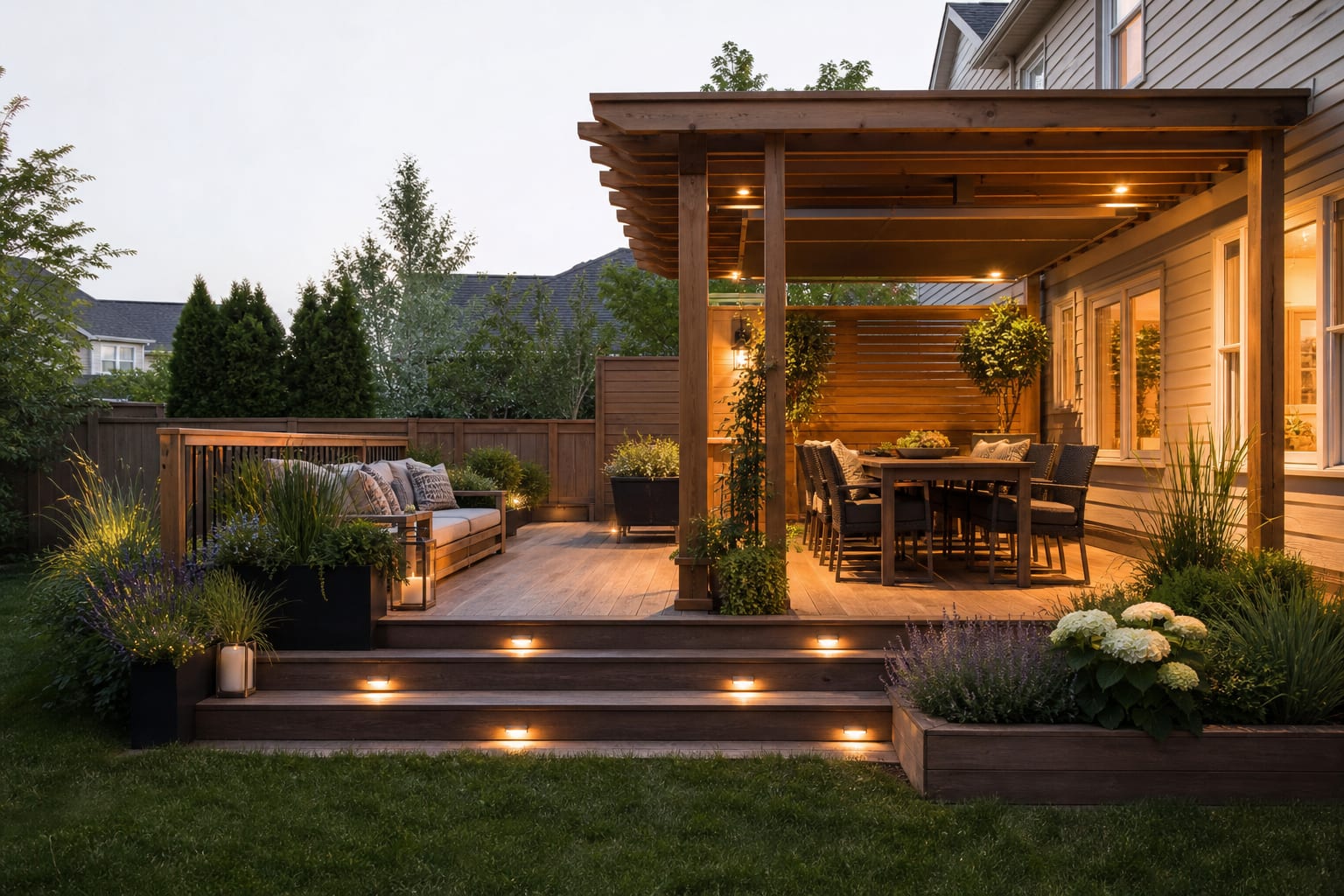
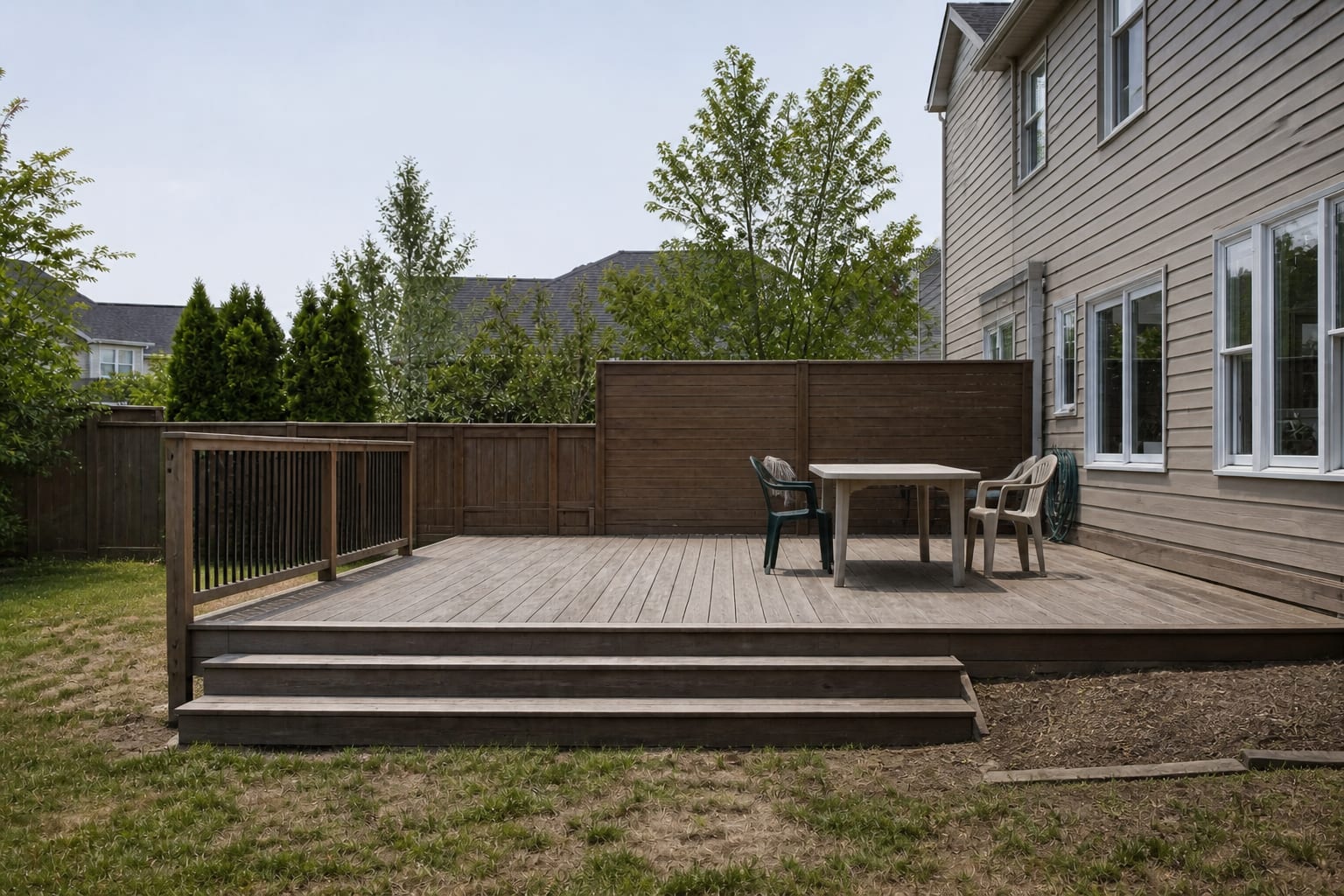
The best covered deck idea solves your specific weather problem with the lightest structure your deck can support: a pergola for harsh sun, a solid or louvered roof for frequent rain, and screens for bugs and privacy. Anchor the structure to the house ledger, cover only the dining or lounge zone, and match your home's roof pitch and post material so it reads built-in rather than bolted on.
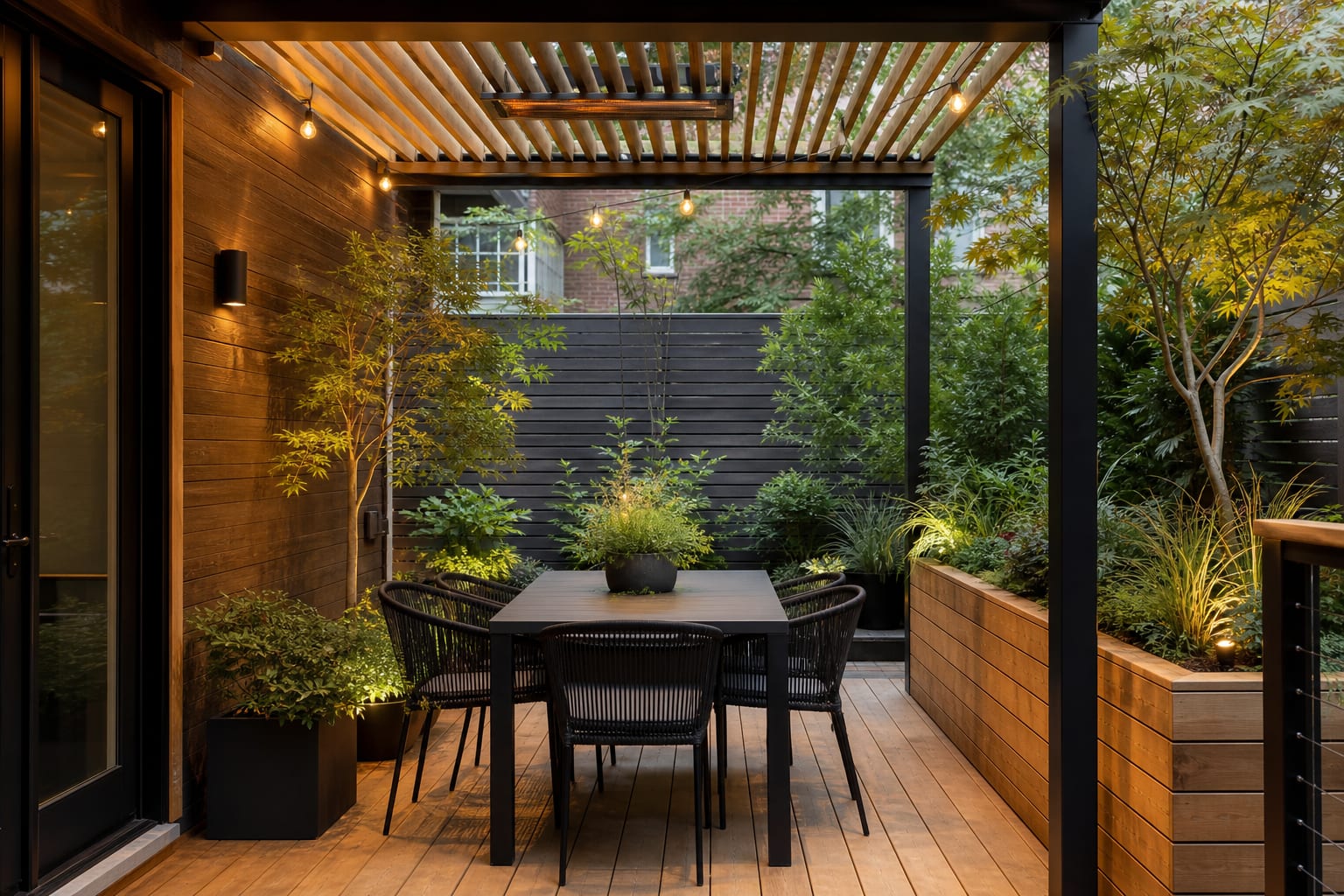
What is the best way to cover a deck without regretting it?
Start with the actual complaint. Harsh sun calls for a pergola, shade sail, retractable awning, or louvered canopy. Frequent rain calls for a solid roof, under-deck drainage, or a screened enclosure with a pitched roof. Privacy from upstairs neighbors may need side screens and planting more than anything overhead.
Treat the cover like a small building component, not a patio accessory. Solid roofs need slope, flashing, gutters, and posts landing on adequate structure below; a lighter shade structure — aluminum louvers, cedar battens, fabric panels, or a pergola kit — can change the feel without turning the deck into an addition.
Keep the finished underside of beams around 8 to 9 feet above the deck surface: lower feels heavy, higher may miss the shade you need. At the house wall, watch door swing, window heads, siding, and roof eaves — a roofline that traps water against siding is a repair bill, not a design win.
Shaded, damp decks are harder on boards than sunny ones. If the surface needs replacing, compare ipe versus composite decking before finalizing the cover, since hardwood, capped composite, and softwood age differently in shade.
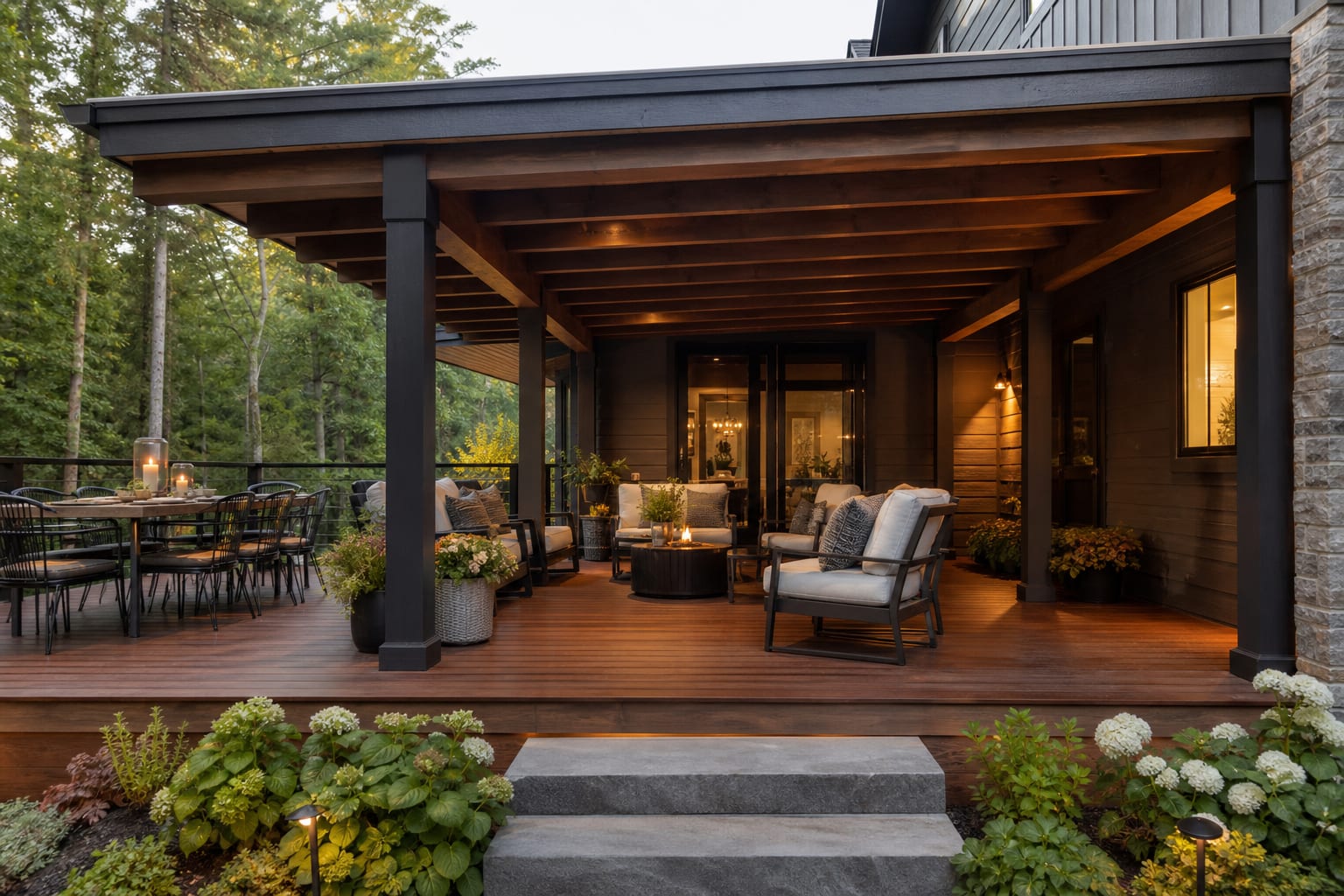
Which cover type fits your deck, budget, and climate?
Shade, rain protection, and a true outdoor room are three different goals. Shade can stay light and airy; rain protection needs slope and drainage; an outdoor room needs enclosure, lighting, and furniture scaled to fit.
| Cover option | Best use | Specs to check |
|---|---|---|
| Open pergola | Filtered shade, architectural shape | Rafters 12-16 in. on center; add fabric or plants only where upkeep makes sense |
| Retractable awning | Adjustable shade near the house | Projection typically 8-12 ft; confirm wind limits and mounting surface |
| Louvered roof | Sun and rain control, crisp profile | Motorized parts need power, drainage channels, adequate post support |
| Solid framed roof | Reliable rain cover, porch feel | Requires slope, flashing, gutters, footings, code review |
| Screened enclosure | Bug control, longer evening use | Plan door swing, panel width, fan clearance, and floor drainage |
Choose a pergola when the deck already works but sun is the problem — it adds a ceiling cue over a 10x12 dining zone or 12x14 lounge without permanently blocking sky. Orient rafters across the harshest sun angle, or add a retractable canopy panel instead of a full permanent cover.
Choose a solid roof when rain keeps people off the deck. Match the pitch to the roofing material and route water into gutters, never onto stairs or beds below. If the deck is pressure-treated lumber, check pressure-treated decking ideas before enclosing it, since ventilation and maintenance rhythm affect the look years later.
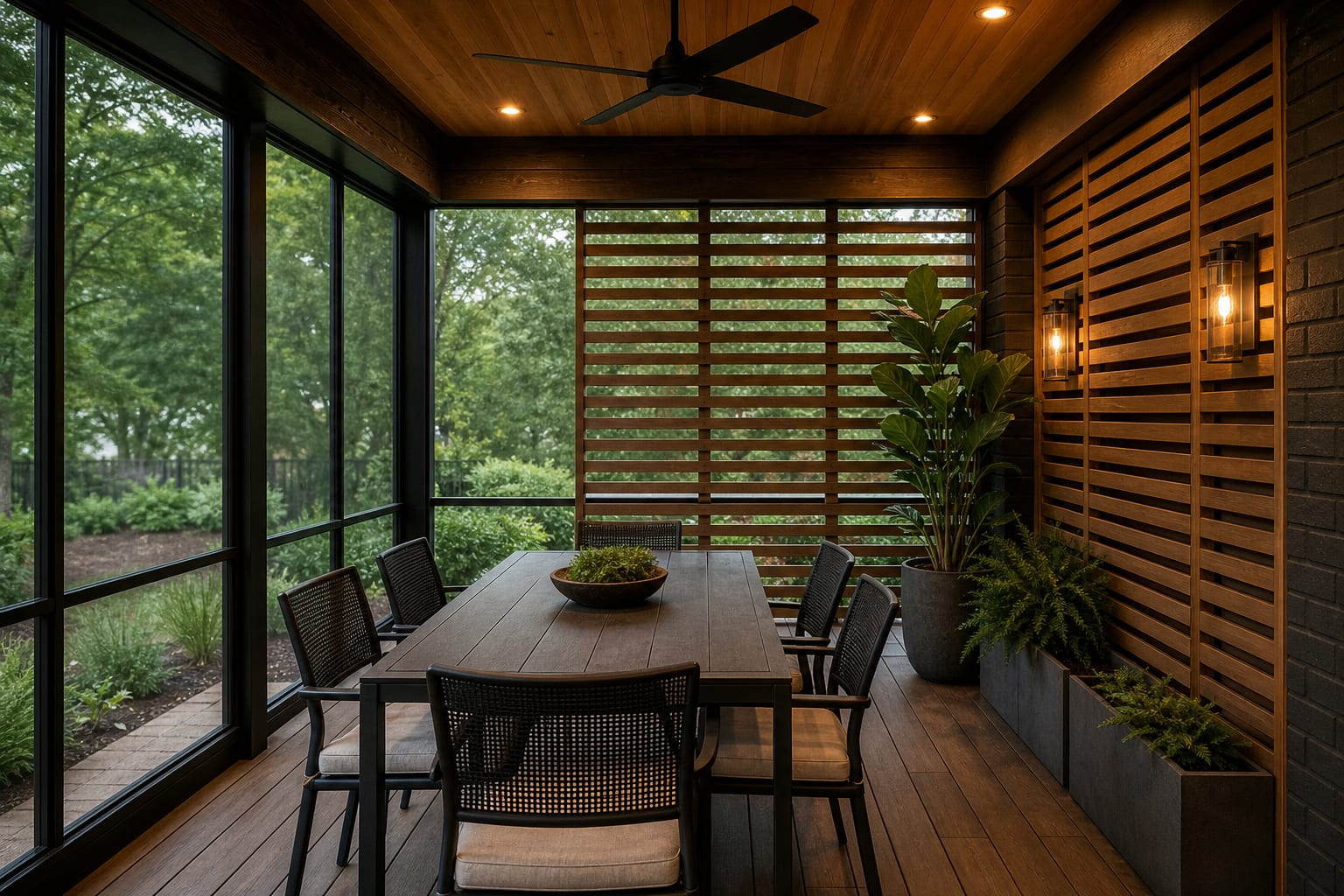
Choose a screened deck when bugs and evening glare are the real issue. A table for six needs at least 10x12 feet once chairs pull back, and a ceiling fan needs roughly 7 feet of blade clearance.
Test this on your own photo with ReDesign — keep the house edge, horizon, hardscape, and main path visible so the preview solves the space you actually have.
Which covered deck ideas are worth copying?
The strongest deck roof ideas cover only the zone people actually use, leaving the rest open for grilling or circulation.
- Roof the door-to-table zone. Covering the first 10-14 feet from the house keeps daily use dry while the rail stays open, and looks less bulky than a full roof.
- Frame the lounge, not the grill. Place the pergola over seating with 30 inches between chairs and table edges; keep the grill clear of tight overhead structure unless its manual allows otherwise.
- Add one privacy side, not a full box. A 5-6 foot slatted screen on the exposed neighbor side calms the space while air still moves.
- Fit furniture to the roof line. A covered deck reads smaller once posts arrive — a 30x60 inch table or two deep chairs often beats a full sectional.
- Wire lighting into the plan. Step lights at level changes and shielded 2700K sconces are far easier before the roof goes up; see deck lighting ideas.
Which covered deck mistakes make the project feel heavy?
- Overbuilding the cover. A deep roof can darken interior rooms, especially near north-facing windows. Tape the shadow line on the deck before committing to a 16-foot projection.
- Landing posts for looks, not load. Posts must align with beams, footings, and engineered load paths — pause if a contractor suggests skipping footings on a "decorative" cover.
- Ignoring water movement. Runoff can soak stair treads or ice over landings. Gutters, downspouts, and splash blocks make the cover pleasant after weather, not just after installation.
- Choosing dark, low ceilings on small decks. Black beams read sharp on a large porch but press down an 8-foot ceiling on a compact deck; use lighter materials or a partial cover instead.
- Treating screens like an interior room. Outdoor fabrics, drainable rugs, and mildew-resistant cushions still matter behind screens — wind-blown rain and damp mornings don't stop at the door.
Use AI design to preview your deck cover before you commit
Upload a straight photo from the house doorway or yard, including railings, stairs, siding, roof edge, and current furniture. Test a pergola, partial roof, louvered canopy, and screened version from the same angle before buying posts, roofing, or lighting.
Check practical outcomes: Does the roof darken the kitchen window? Do posts block the stair path? Is there still 36 inches behind dining chairs? Does the structure look connected to the house rather than an afterthought?
Renters should preview removable moves first — weighted umbrellas, freestanding pergolas, outdoor curtains, clamp lights, planter screens. Owners can use the same image to test permanent work: footings, a framed roof, low-voltage lighting, gutters, and screened enclosures.
Frequently Asked Questions
Pergola, solid roof, or louvered roof?
Pergolas filter sun and accept climbing plants; solid roofs give full rain protection but darken the deck; motorized louvered roofs split the difference and typically cost 3-4x a pergola.
Should the cover go over the whole deck?
No. Cover only the dining or lounge zone and leave the rest open — full coverage cuts daylight to the house, drops surface temperature, and reads as a roof extension rather than an outdoor room.
Do I need a permit for a deck cover?
Most jurisdictions require a permit for any roof attached to the house and for freestanding structures over 12x12 feet (144 sq ft); smaller pergolas often don't need one, but confirm locally.
What posts work best on a covered deck?
6x6 cedar or treated posts wrapped in PVC trim suit paint-grade modern looks, while 4x4 or 3x3 inch steel posts suit modern decks and accept hidden cable rails.
Can a deck cover handle ceiling fans and lighting?
Yes. A solid or louvered roof can carry a damp-rated fan and recessed lighting on a code-rated junction box; pergolas only accept hung fans with a wind-rated mount.
> Try this: Ready to see this on your own outdoor space? Open ReDesign and run the preview before you buy materials, plant, drill, or move furniture.
Three transformations to try
1. Cedar pergola over deck dining zone 2. Partial solid roof over deck lounge 3. Louvered motorized roof over deck