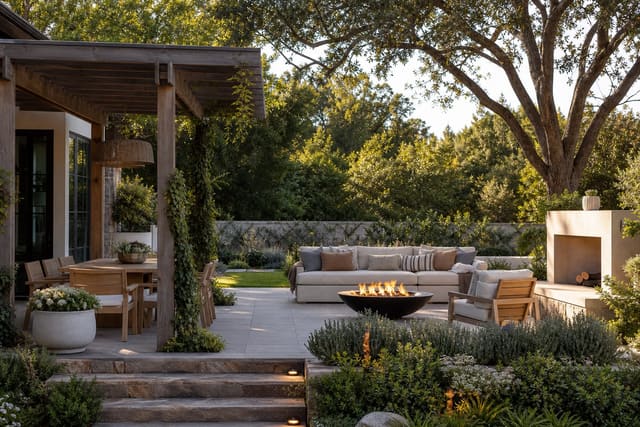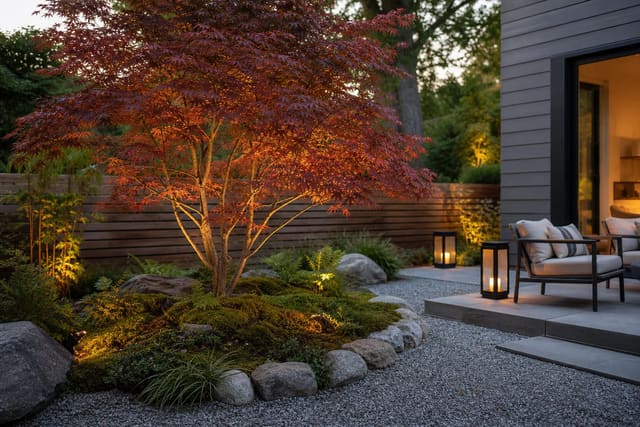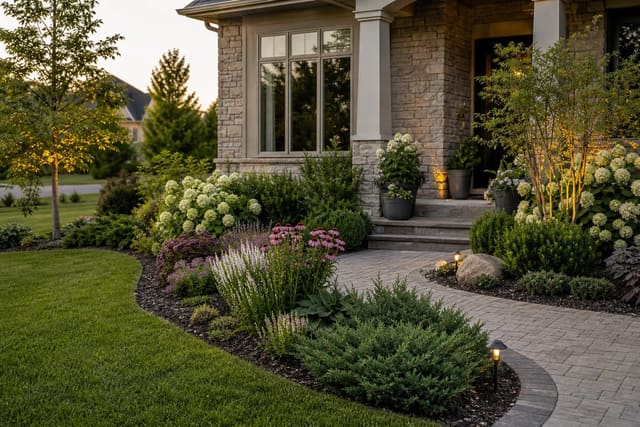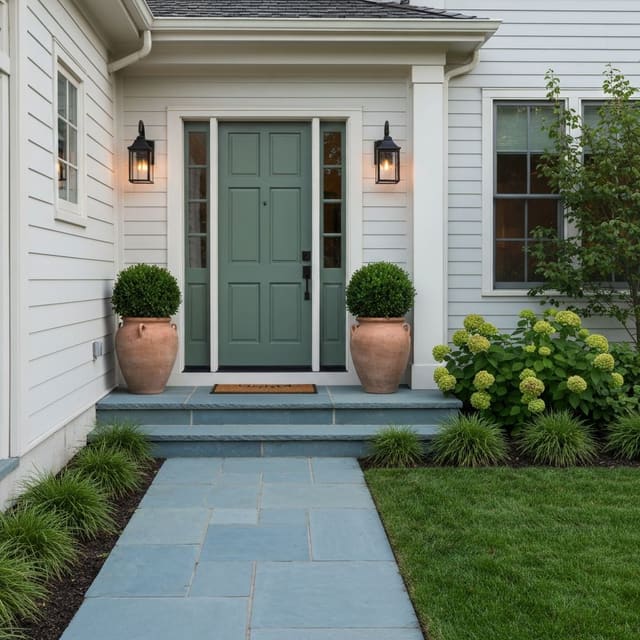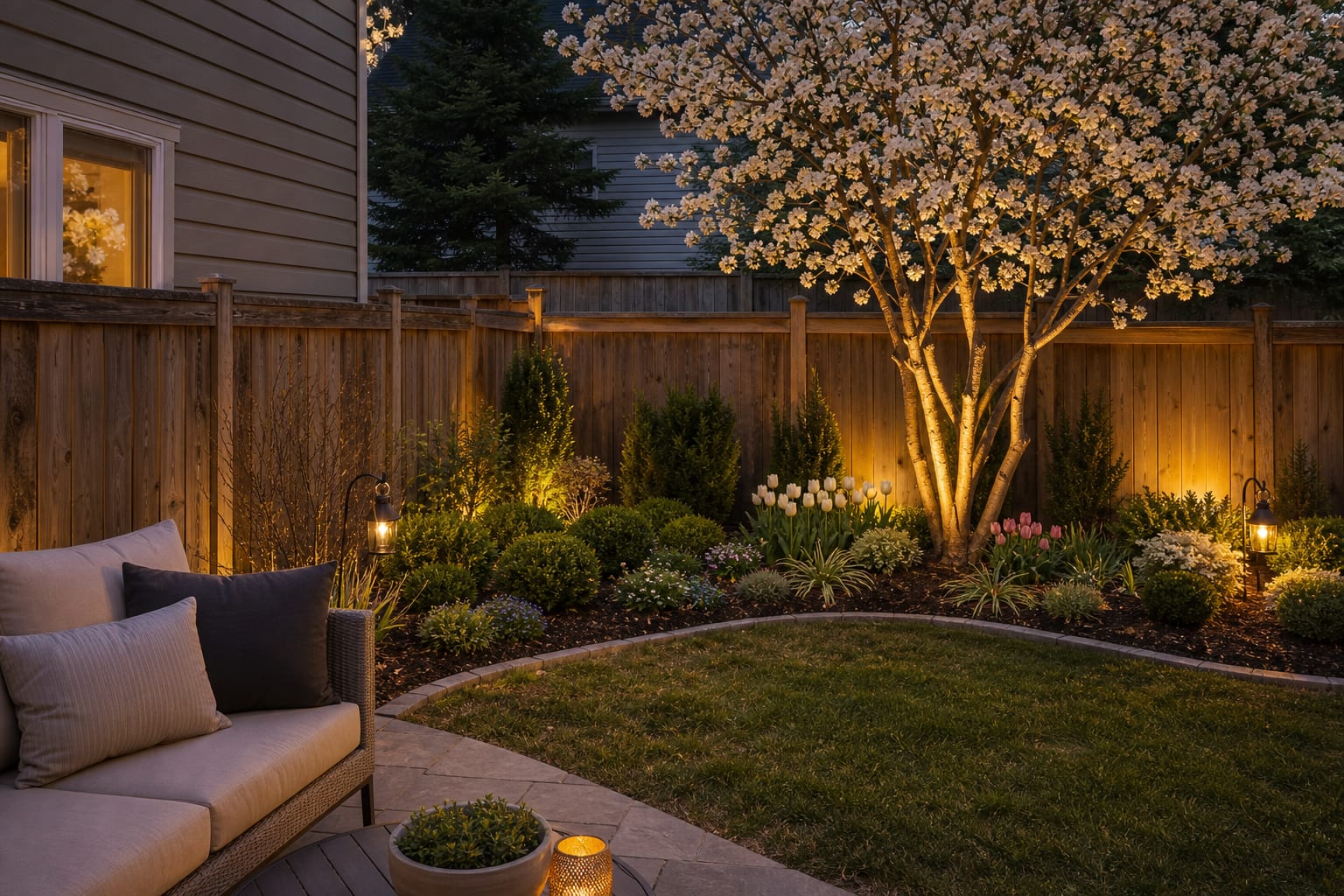
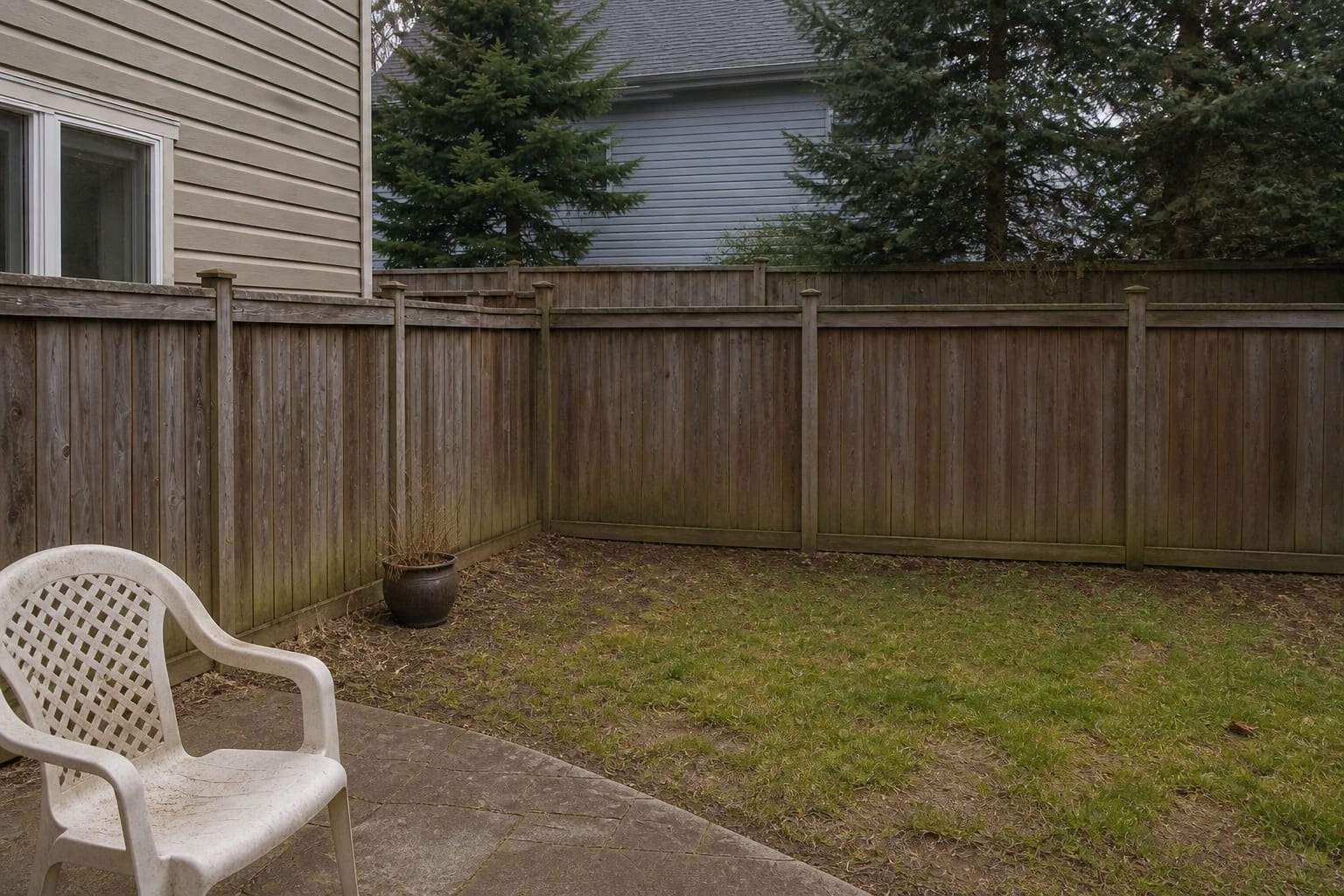
The best flowering tree ideas for small yards are compact species like serviceberry, dogwood, redbud, crabapple, and dwarf cherry that mature between 12 and 25 feet, since they anchor the garden with spring bloom and a second season of foliage, berries, or bark without overwhelming the house or the lawn.
Which flowering trees work best in small yards?
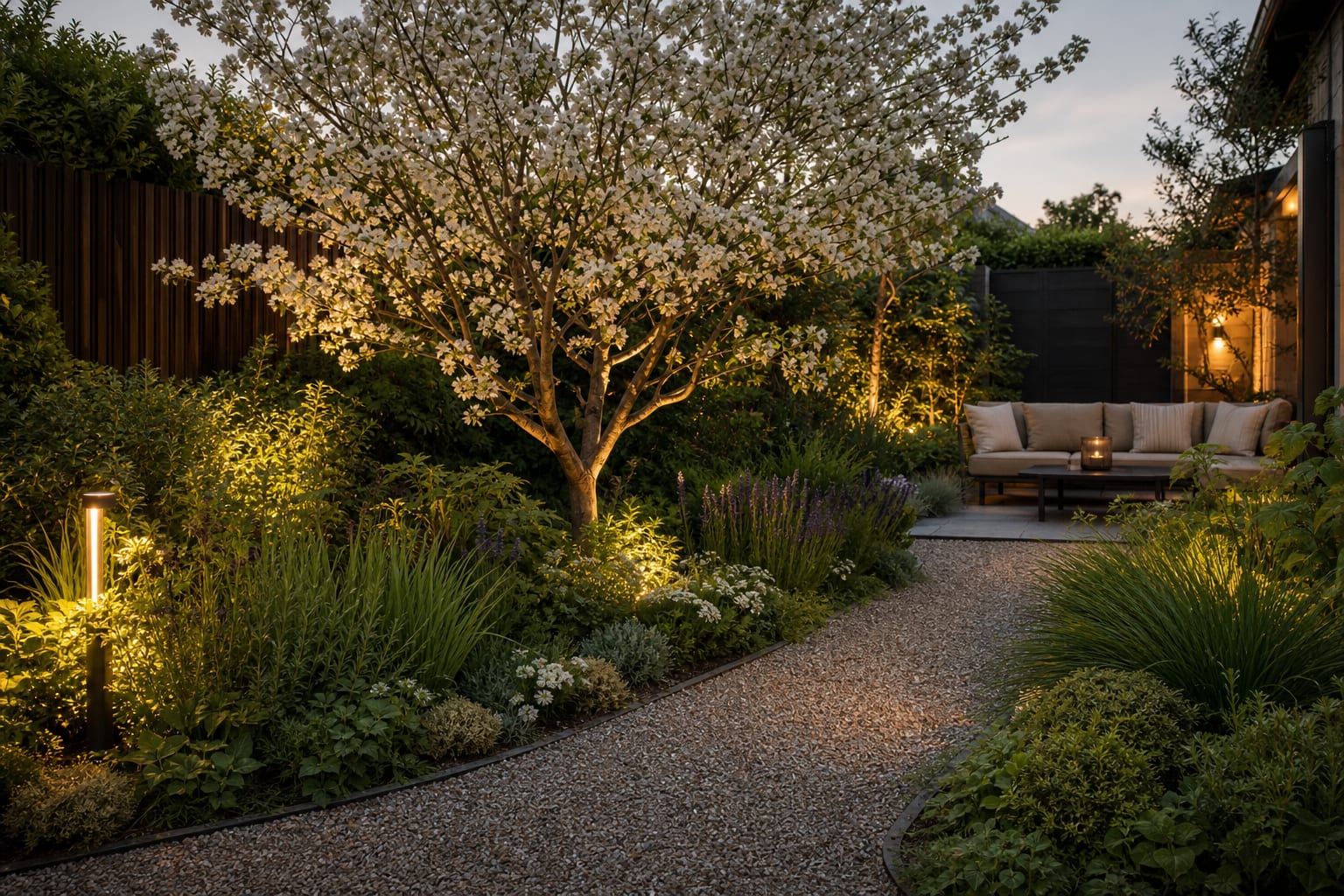
Compact ornamental trees such as serviceberry, dogwood, redbud, crabapple, Japanese snowbell, fringe tree, and smaller cherry varieties work best because they stay roughly 12 to 25 feet tall and hold a graceful canopy. A cherry blossom tree can be beautiful, but only when its mature spread fits the site; an 8 to 18 foot canopy usually suits a small garden better than a specimen that wants half the lawn.
Treat the tree as architecture first and flowers second. Serviceberry gives white spring bloom, edible berries, and good fall color. Dogwood suits filtered light and layered beds; redbud handles a woodland edge with heart-shaped leaves after bloom. Crabapple works near front walks when fruit size and disease resistance are chosen carefully, while Japanese snowbell and fringe tree add shape to a garden that already has enough color.
| Small-yard condition | Better flowering tree direction | Spec that keeps it proportional |
|---|---|---|
| Narrow front yard | Serviceberry, redbud, upright crabapple | Keep mature spread near 10 to 15 feet |
| Patio edge | Japanese snowbell, dogwood, fringe tree | Plant 6 to 8 feet from paving for root and canopy room |
| Street-facing focal point | Disease-resistant crabapple, compact cherry, serviceberry | Choose a trunk form branching above mower or path height |
| Part-shade garden | Dogwood, redbud, serviceberry | Expect lighter bloom below 4 hours of direct sun |
Test this on your own photo with ReDesign before choosing a final direction; keep the house edge, horizon line, hardscape, planting beds, and main path visible so the preview solves the space you actually have.
Where should a flowering tree sit for a resolved design?
A flowering tree should sit on an axis, at a turn, or just off-center in a bed where the eye naturally lands. Centering it in the lawn is often the weakest move because it leaves every edge of the garden unresolved. Place the trunk about one-third of the way across the view, then build planting around it so the tree reads as part of a scene.
Stay at least 8 to 10 feet from the house for most small ornamental trees unless a certified arborist confirms a tighter cultivar. Avoid planting over sewer lines, against retaining walls, or under overhead wires. If the canopy will overhang a path, choose a single-stem form or prune gradually so the lowest permanent branches clear comfortable head height.
Lighting matters too. A tree beside a front path wants soft, low-glare wayfinding rather than runway brightness; if the approach feels dark, pair it with subtle path lighting set 18 to 24 inches off the path edge. In a back garden, a warm 2700K uplight can reveal winter branching without making the trunk look theatrical.
Which flowering tree ideas deserve a shortlist spot?
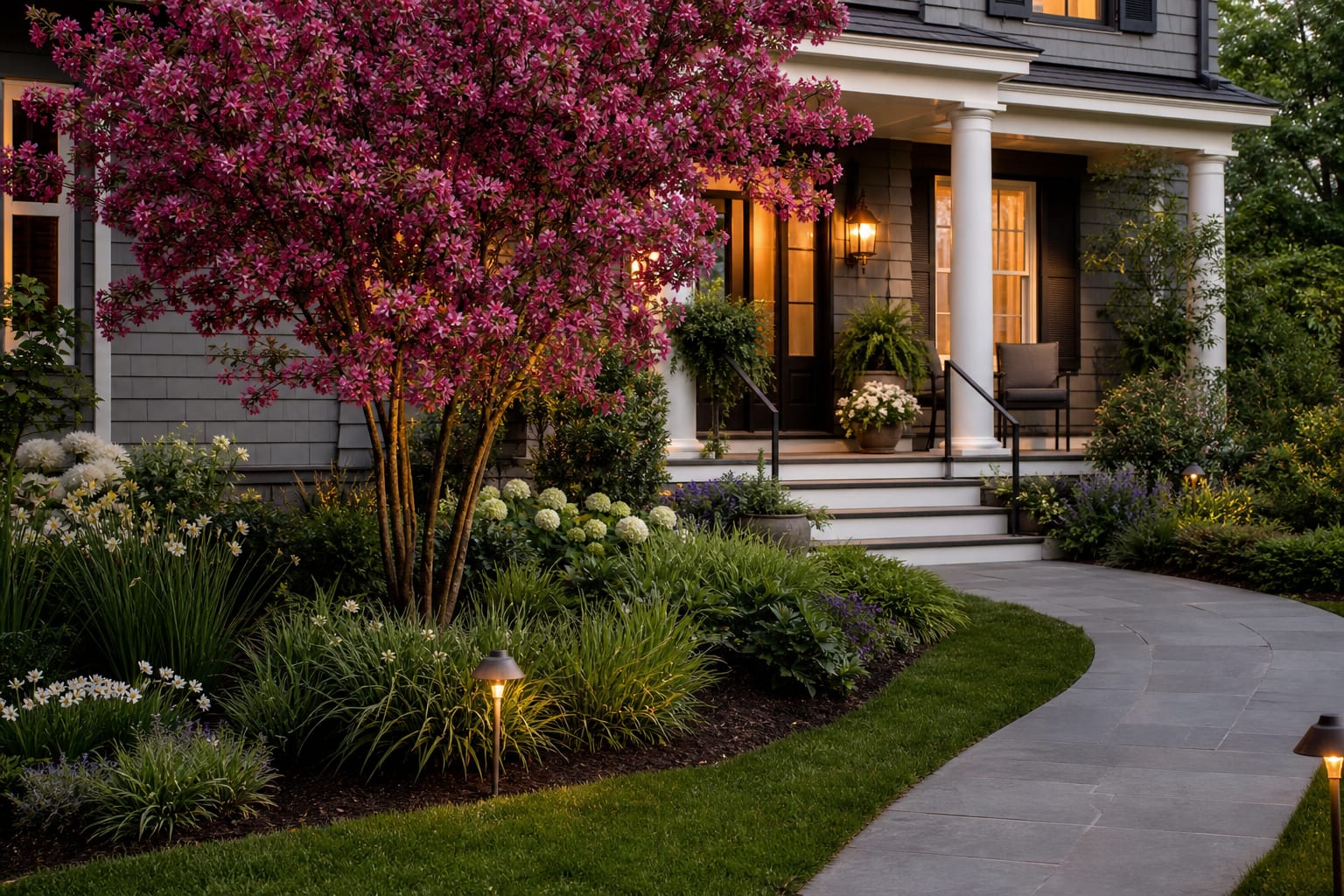
The best shortlist balances bloom, mature size, maintenance, and house style, solving a specific design problem rather than just adding flowers.
- Serviceberry for the all-season small garden: white spring flowers, soft summer foliage, and fall color at 15-25 feet; give it a mulched circle at least 3 feet wide.
- Eastern redbud for a woodland edge or modern fence line: pink-purple bloom directly on bare branches, then heart-shaped summer foliage; allow 15-20 feet of spread.
- Kousa dogwood for filtered light and layered beds: blooms later than most spring trees with showy bracts; keep mulch 2-3 inches deep, pulled away from the trunk.
- Disease-resistant crabapple for curb appeal: clean foliage and small persistent fruit at 12-18 feet; keep it away from main walkways where fruit could stain paving.
- Compact flowering cherry for a deliberate spring statement: give the canopy room and simple underplanting so the bloom stays the event.
- Fringe tree for a softer, less common focal point: airy white flowers suit cottage or informal gardens near a patio.
If the tree will become an evening feature, design lighting alongside the bed: a narrow beam can catch bark and branching, while broader landscape uplighting works when the tree sits within a larger planting composition.
What mistakes should you avoid with flowering trees?
Planting too close to the house means a lifetime of cutting the canopy away from gutters, siding, and rooflines. Shift the trunk out before planting, even if it looks lonely for a season or two, and fill the foundation gap with shrubs.
Buying only for blossom color creates a three-week garden and a nine-month apology. Check bark, leaf texture, branching, fruit drop, and winter shape before choosing among small flowering trees at the nursery.
Ignoring the root flare shortens the tree's life; keep it visible at soil level under a wide mulch saucer, never a volcano pressed against the bark.
A multi-stem tree beside a narrow route becomes an obstacle. If the tree sits by steps or a gate, choose a single-stem form and pair it with safe outdoor step lighting so shadows don't confuse the route at night.
Pruning too hard after planting stresses a young tree. Remove only broken or crossing branches at first, then train structure gradually over several dormant seasons.
Use AI design to preview your flowering tree before you commit
Flowering trees are hard to judge from a nursery pot because the purchase is vertical, seasonal, and slow. Upload a photo of the yard from the angle you actually notice the problem, then preview serviceberry, dogwood, redbud, crabapple, and compact cherry from the same camera position. The useful question isn't which blossom looks prettiest alone; it's which tree makes the path, fence, house, and beds feel more resolved.
Shoot from standing height and include fixed references: house corner, fence posts, patio edge, or existing shrubs. Ask for one version with a 12-15 foot mature canopy, one at 15-20 feet, and one with the tree shifted 3-5 feet left or right. That comparison reveals whether the garden needs a vertical focal point, a softer corner, or a stronger entry sequence.
Use the preview as a composition test, then confirm the living plant with local climate, soil, light, and nursery guidance. AI can show where a flowering tree belongs; horticulture decides whether it thrives once summer heat arrives.
Frequently Asked Questions
Which flowering trees stay small?
Serviceberry, dogwood, redbud, crepe myrtle (in warm zones), and chionanthus all top out at 15-25 feet and fit most residential front yards without crowding the house.
When do flowering trees bloom?
Cherry and magnolia bloom early spring, dogwood and redbud mid-spring, crepe myrtle mid-summer, and chionanthus early summer. Layer two or three species for sequential bloom across the yard.
How close to the house can a flowering tree be planted?
Plant at least 10-12 feet from the foundation for trees under 25 feet mature, and 15-20 feet for trees exceeding 30 feet. Measure to the eventual canopy edge, not the trunk.
Are flowering trees messy?
All flowering trees drop petals, which is a feature, not a defect. Avoid mulberry and fruiting crabapple over patios and walkways; choose non-fruiting cultivars or keep bloom drop off hardscape instead.
Which flowering trees give the best fall color?
Serviceberry (orange-red), dogwood (burgundy), Japanese maple (red-orange-purple), and Persian ironwood (mixed orange-red) deliver the most reliable second-season color after spring bloom fades.
> Try this: Ready to see this on your own outdoor space? Open ReDesign and run the preview before you buy materials, plant, drill, or move furniture.
Three transformations to try
1. Front yard with serviceberry 2. Patio corner with dogwood 3. Backyard with chionanthus specimen