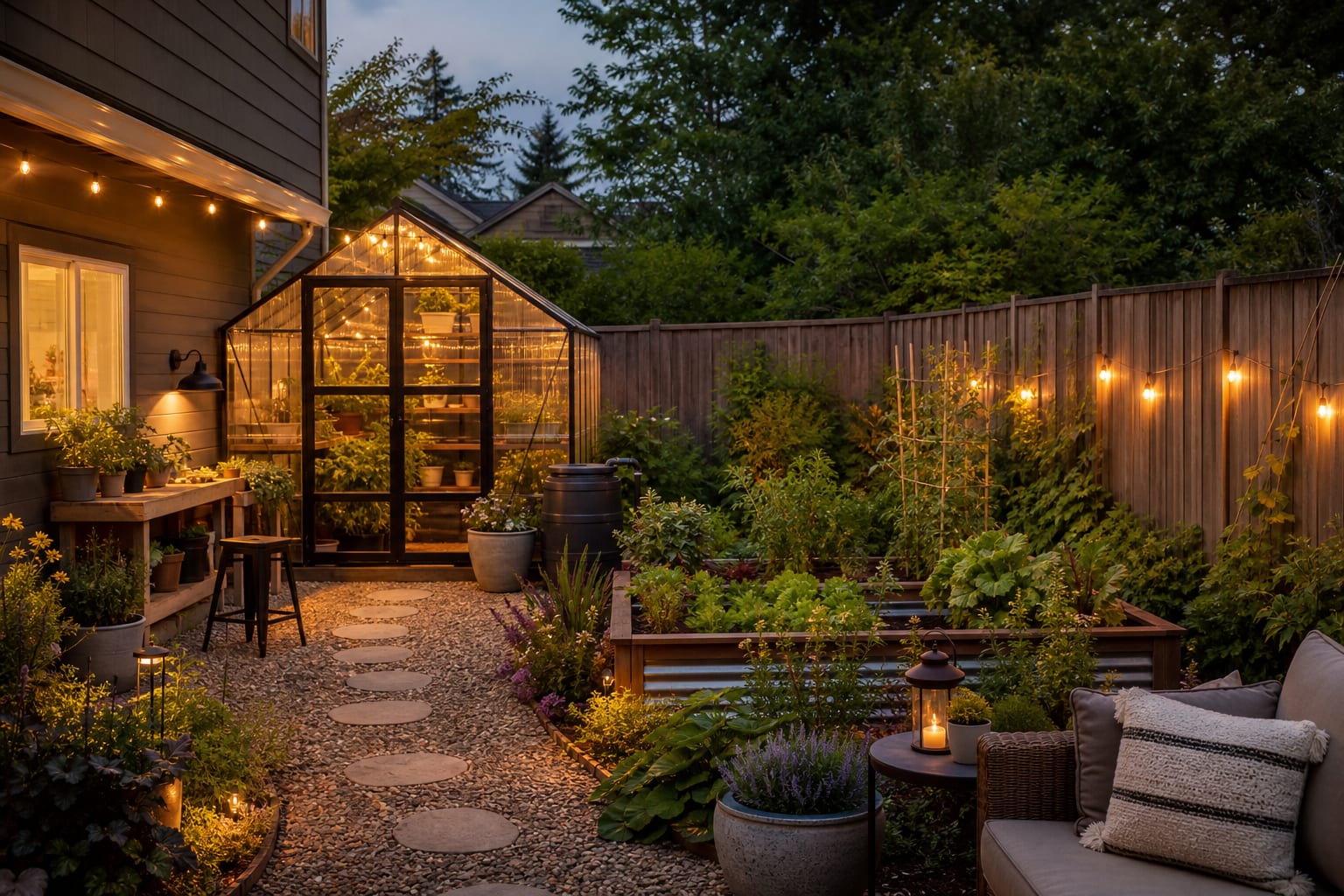
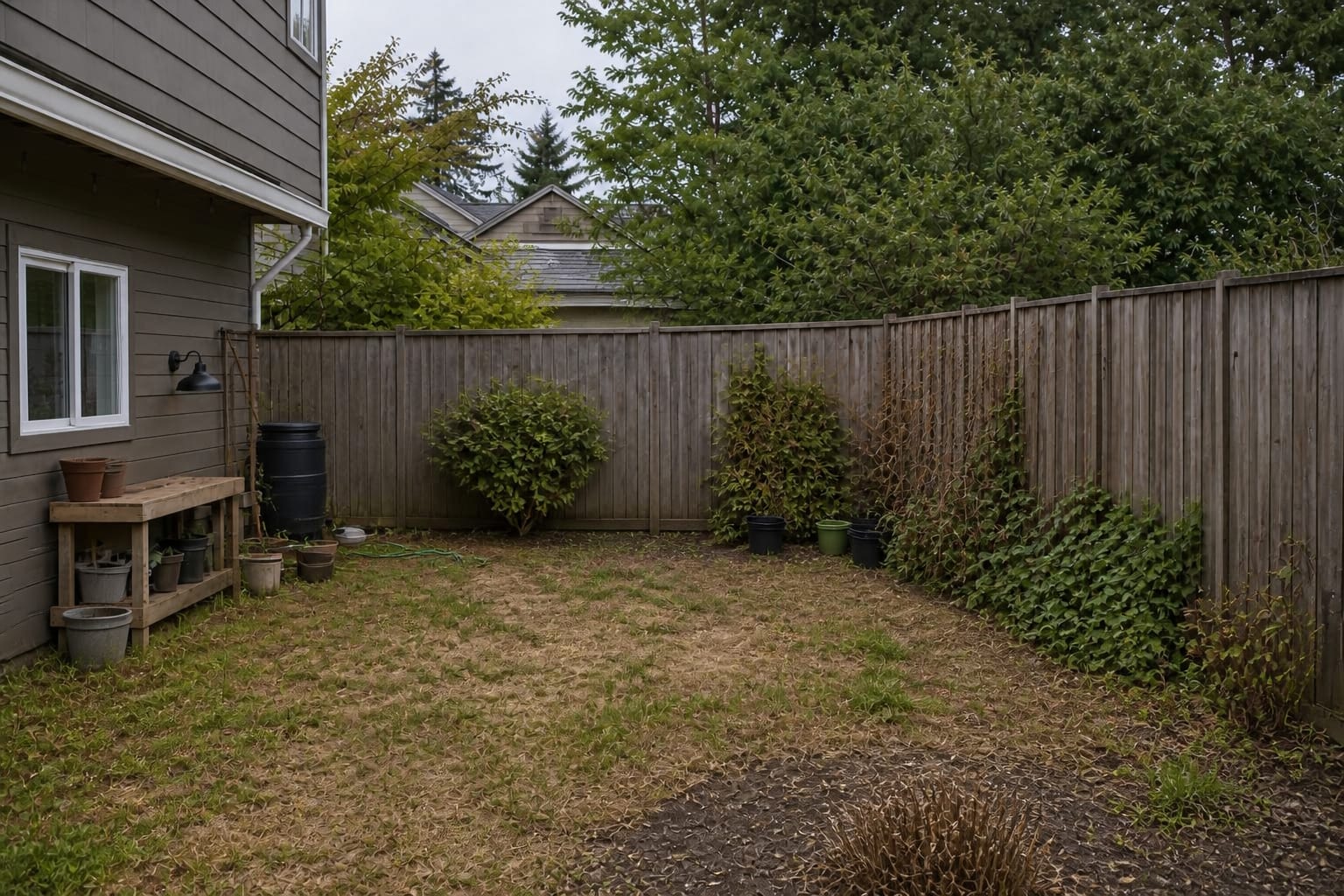
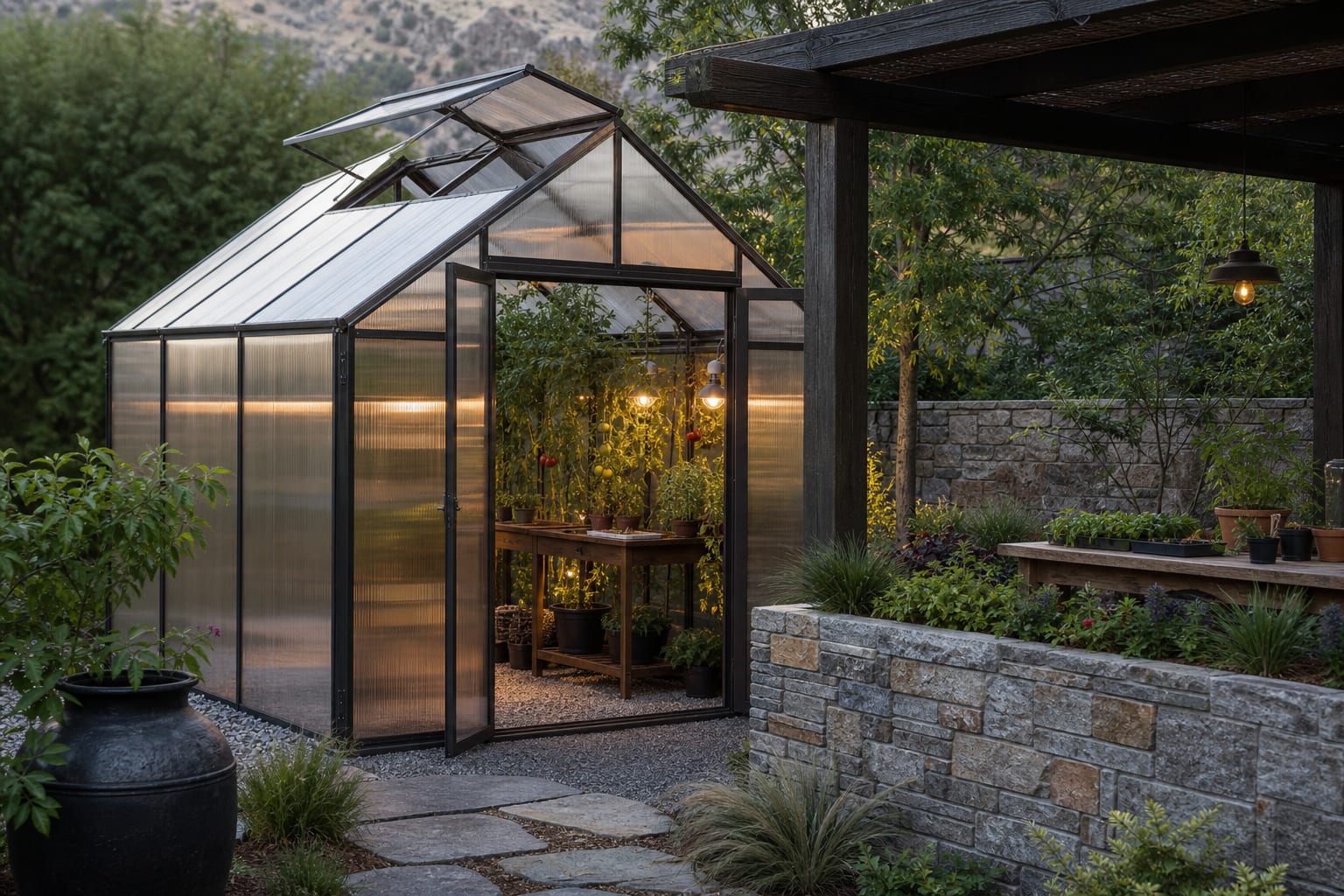
Greenhouse ideas start with orientation and footprint: run the long axis east-west for winter sun, plan a minimum 6ft x 8ft footprint for bench space on both sides, glaze in twin-wall polycarbonate for insulation and hail resistance, and set the frame on a 4in concrete footing to keep out pests. Start with the smallest structure you can ventilate, water, and walk around comfortably.
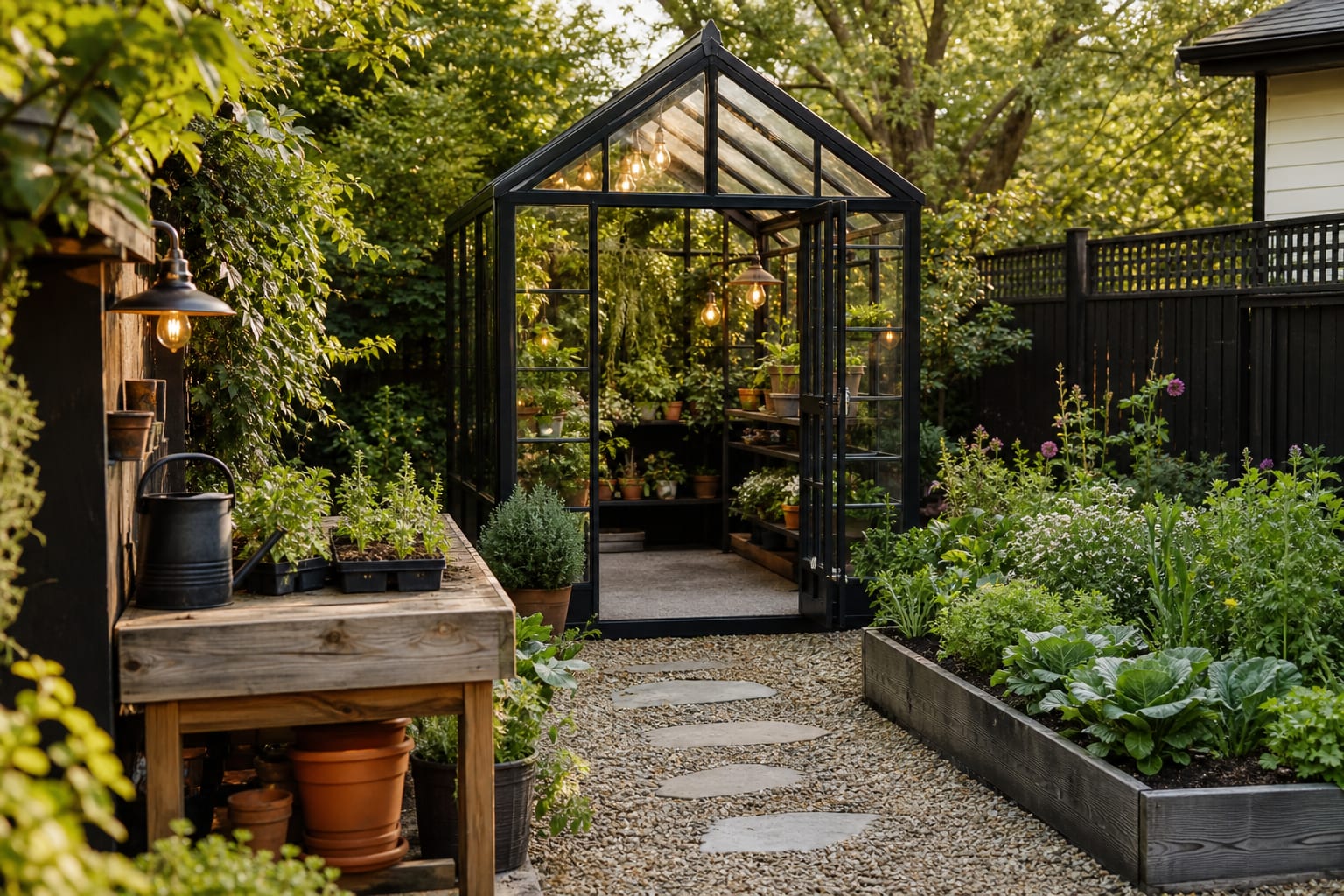
What size greenhouse do I need?
Plan for 6 to 8 square feet of bench or floor area per plant group, plus a 24-30in path if you want to walk inside. A 3ft x 6ft cold frame handles hardening off trays and lettuce; a 6ft x 8ft walk-in suits seedlings, herbs, and a few overwintered pots. For tomatoes, citrus tubs, a potting bench, and storage, plan on 8ft x 10ft or 10ft x 12ft.
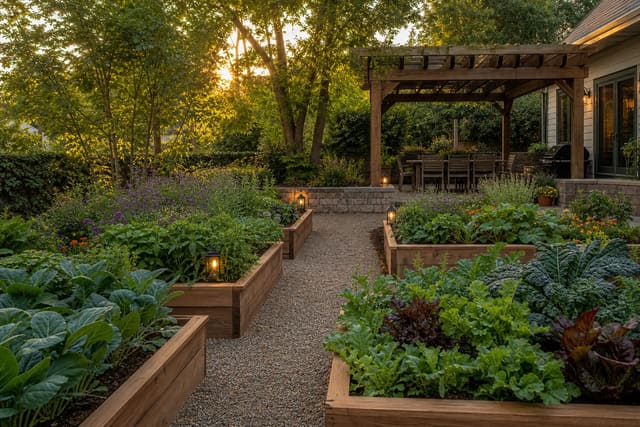
Don't think only in exterior dimensions. Benches typically need 24-30in of depth, and a path under 24in turns watering into a shuffle. If the greenhouse connects to vegetable beds, align the door with your existing route; see these raised garden bed layout ideas to avoid a structure that interrupts the garden's workflow.
Height matters too. Aim for a ridge near 7ft or higher near the door if you plan to grow tall tomatoes or hang baskets. Low eaves suit cold frames and lean-tos but get irritating fast when every check means bending.
Which greenhouse structure should lead the design?
Choose by commitment level: cold frame for seedlings, lean-to for tight gardens, freestanding walk-in for serious growing, and full glasshouse only when site, budget, and maintenance habits support it. A cold frame is often the most efficient option for renters, beginners, and small yards since it protects plants without footings or a full garden overhaul.
| Greenhouse type | Best garden use | Spec that keeps it practical |
|---|---|---|
| Cold frame | Seedlings, lettuce, hardening off trays | A 3ft x 6ft frame with a hinged lid is easy to vent by hand. |
| Mini greenhouse cabinet | Patios, balconies, rental gardens | Shelves 12-18in deep keep trays clear of the door. |
| Lean-to greenhouse | Side yards, brick walls, small gardens | Leave 30in clear at the door so entry doesn't fight bins or steps. |
| Freestanding polycarbonate greenhouse | Everyday vegetable and flower growing | Twin-wall panels around 6-10mm insulate far better than a single sheet. |
| Glass greenhouse | Permanent ornamental or productive room | Budget for shading, cleaning access, and safe glazing before the frame. |
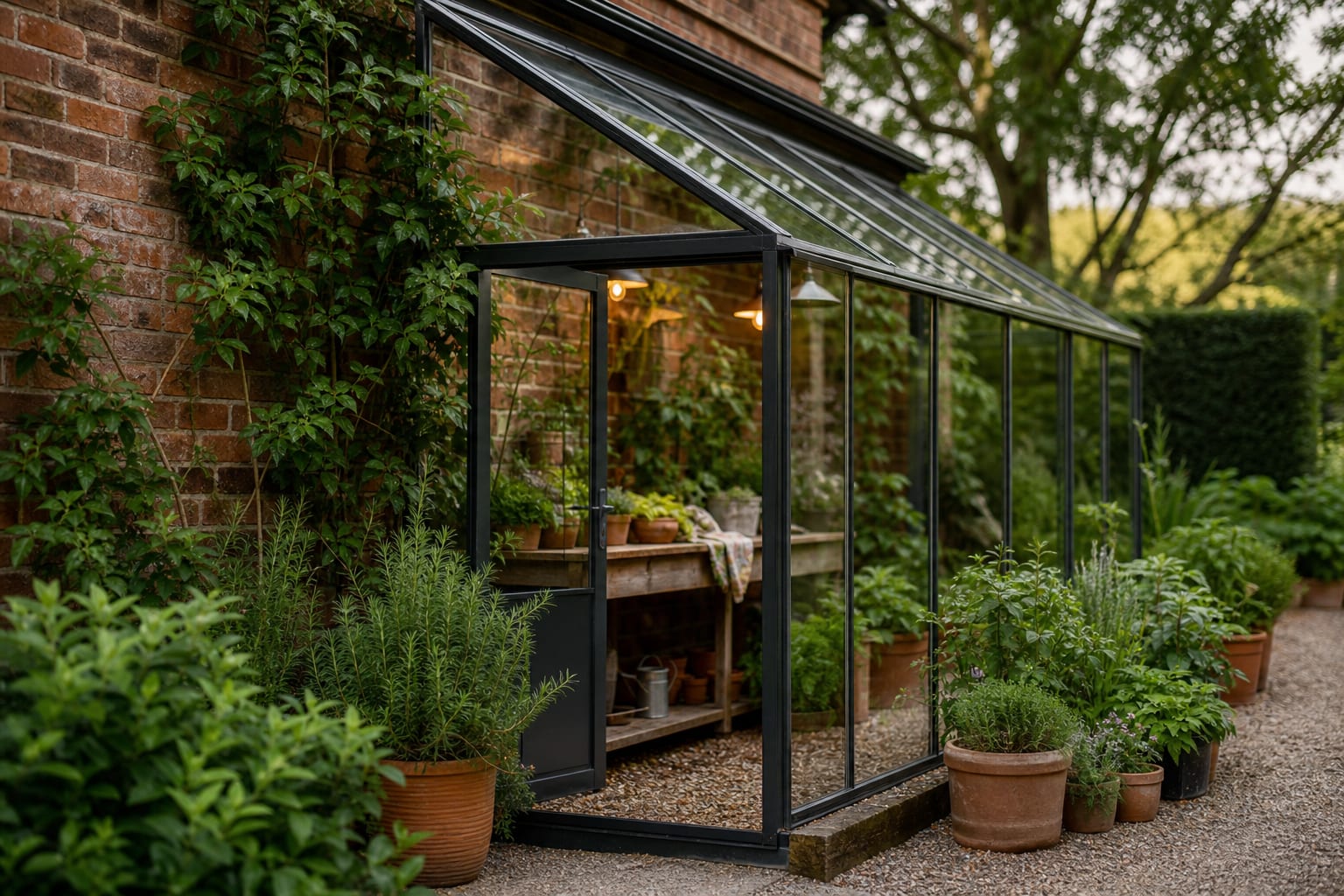
A lean-to can shine against a garage or garden wall, but only if the wall gets real light and doesn't dump roof runoff on the door. If boundaries are still undecided, review garden wall design ideas before fixing the frame, since masonry and fencing change how permanent the structure feels.
Test this on your own photo with ReDesign before committing; keep the house edge, horizon line, hardscape, beds, and main path visible so the preview solves the space you actually have.
Five greenhouse ideas worth considering
- Cold frame at a bed edge for season extension. Slope the lid toward winter sun and keep it shallow enough to reach the back row; 3ft deep works, 5ft becomes a reach.
- 6ft x 8ft freestanding greenhouse for one honest work zone. Run a 24in bench along one side, a narrower shelf on the other, and a 24-30in aisle through the middle.
- Lean-to beside a service path for narrow gardens. The wall stores heat, but plan a dry threshold, gutter strategy, and 36in of approach space.
- Greenhouse as a walk's end point for a yard lacking focus. A 36in gravel path, two low beds, and a bench near the door turn a modest structure into a destination.
- Shade and airflow before decoration. Shade cloth at 30-50 percent, an automatic roof vent, and a draining gravel or paver floor protect plants better than extra finials or shelving.
Give every surface a job: hang tools on the opaque wall, keep the floor sweepable, and use removable trays instead of permanent clutter. For after-dark approach lighting, low-output path fixtures or solar markers work well if they guide feet rather than glare into the glass; see these solar outdoor lighting ideas.
Common greenhouse mistakes to avoid
- Hiding it in the prettiest corner. A hidden structure looks romantic but a muddy route discourages daily watering and venting; keep it close to the kitchen, hose, or main path.
- Underestimating summer heat. Even mild climates can cook seedlings; add roof vents, side vents, a latch-open door, and shade cloth before the first hot spell.
- Choosing the wrong floor. Bare soil turns muddy and damp decking stays wet; gravel over a prepared base is forgiving, with pavers near the door for firm footing.
- Adding shelves before planning crops. Seed trays want shallow bright bench space, tomatoes want height, and pots want floor area, so sketch the crop list first.
- Ignoring water, power, and storage. A rain barrel, a hose route that skips the doorway, and a lidded soil bin matter more than frame color; use outdoor-rated wiring and local code guidance for heaters or fans.
How can AI help preview a greenhouse before I build?
AI design helps because the expensive questions are visual: size, placement, path alignment, and whether a structure looks charming or crowded. Upload a straight photo of the garden corner or vegetable bed, then test a cold frame, lean-to, and freestanding 8ft x 10ft structure from the same angle to judge spatial relationships, not construction detail.
Check whether the greenhouse blocks the compost route, whether a dark frame suits the fence better than bright aluminum, and where the door should open. If the preview feels pinched, shrink the footprint or move storage outside before buying a kit. Contractors and suppliers still handle foundations, wind ratings, and power, but the image lets you reject the wrong size while it's still an idea.
Frequently Asked Questions
What is the best glazing material for a backyard greenhouse?
6mm twin-wall polycarbonate offers an R-value of 1.6 versus R-0.9 for single glass, diffuses light to eliminate hot spots, and resists hail. Glass looks better but adds weight, condensation, and breakage risk.
How big should a backyard greenhouse be?
6ft x 8ft is the functional minimum with benches on two sides. 8ft x 12ft allows a center path plus growing beds and a potting station; go larger only if you plan to overwinter large tropicals.
Does a backyard greenhouse need electricity?
A 120V circuit powers a thermostat-controlled fan heater, an automatic vent opener, and grow lights. Without electricity the greenhouse runs on passive solar only, limiting it to mild-climate overwintering.
How do I ventilate a backyard greenhouse in summer?
Automatic ridge vents open around 65°F and provide roughly one air change per minute per square foot of vent area. Add a 6in wall louver fan on a thermostat for hot climates.
Do I need a permit to build a backyard greenhouse?
Freestanding structures under 200 sq ft are permit-exempt in most US jurisdictions. Check local setback rules; most require 3ft from the property line and 10ft from the primary dwelling.
> Try this: Ready to see this on your own outdoor space? Open ReDesign and run the preview before you buy materials, plant, drill, or move furniture.
Three transformations to try
1. Twin-wall polycarbonate lean-to greenhouse 2. Victorian glass greenhouse with brick base 3. Modern aluminum greenhouse with gravel floor