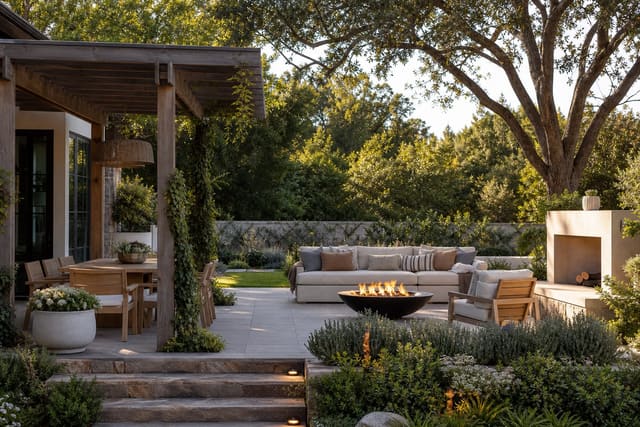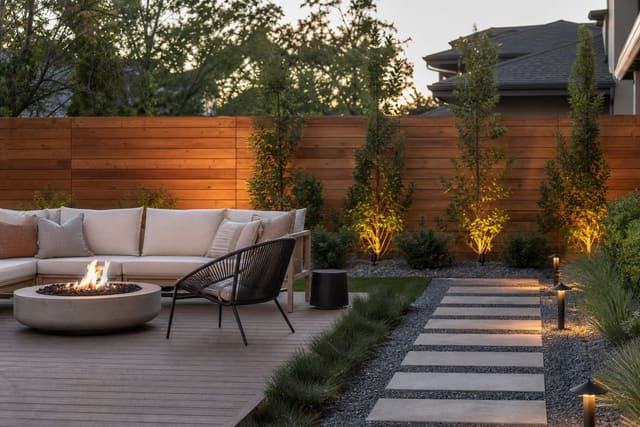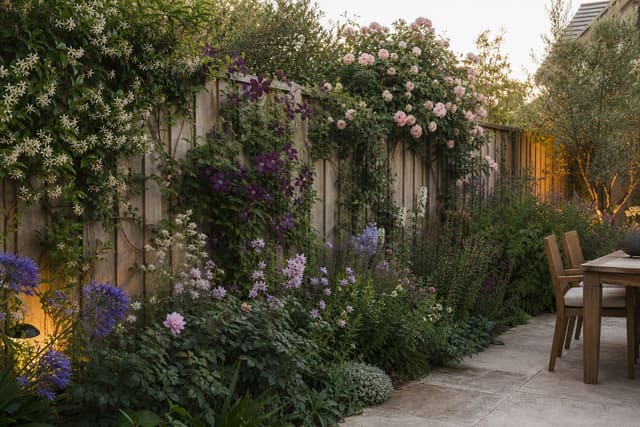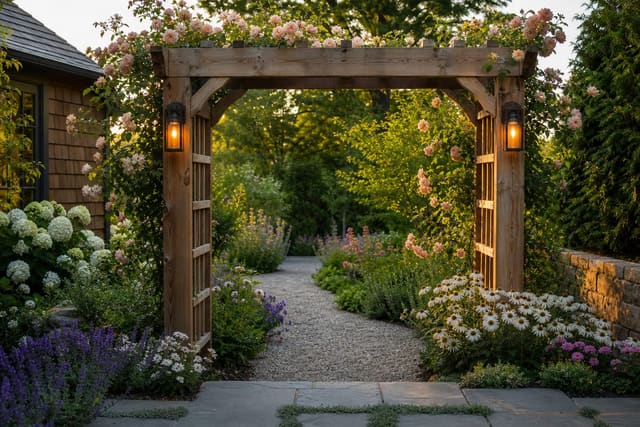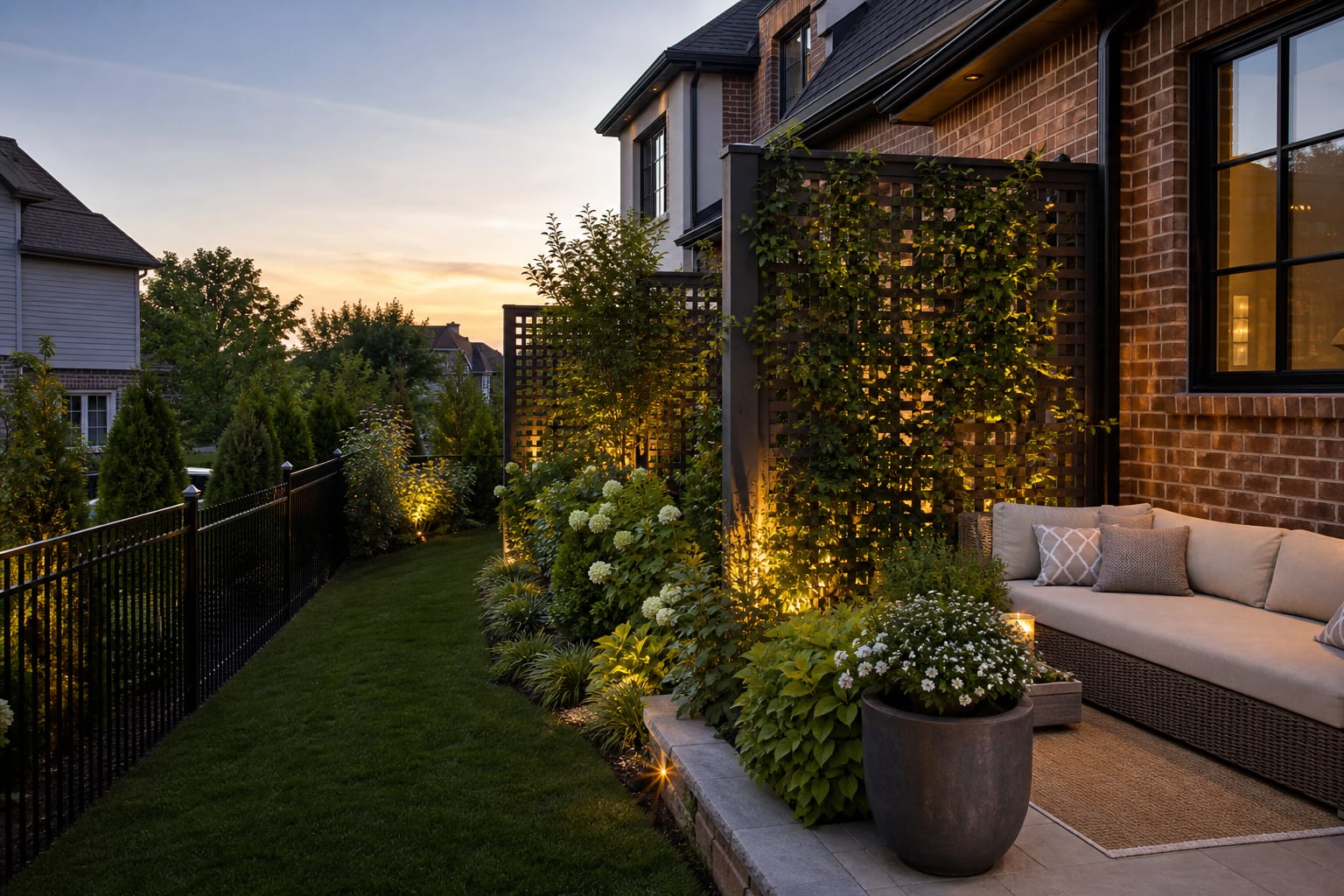
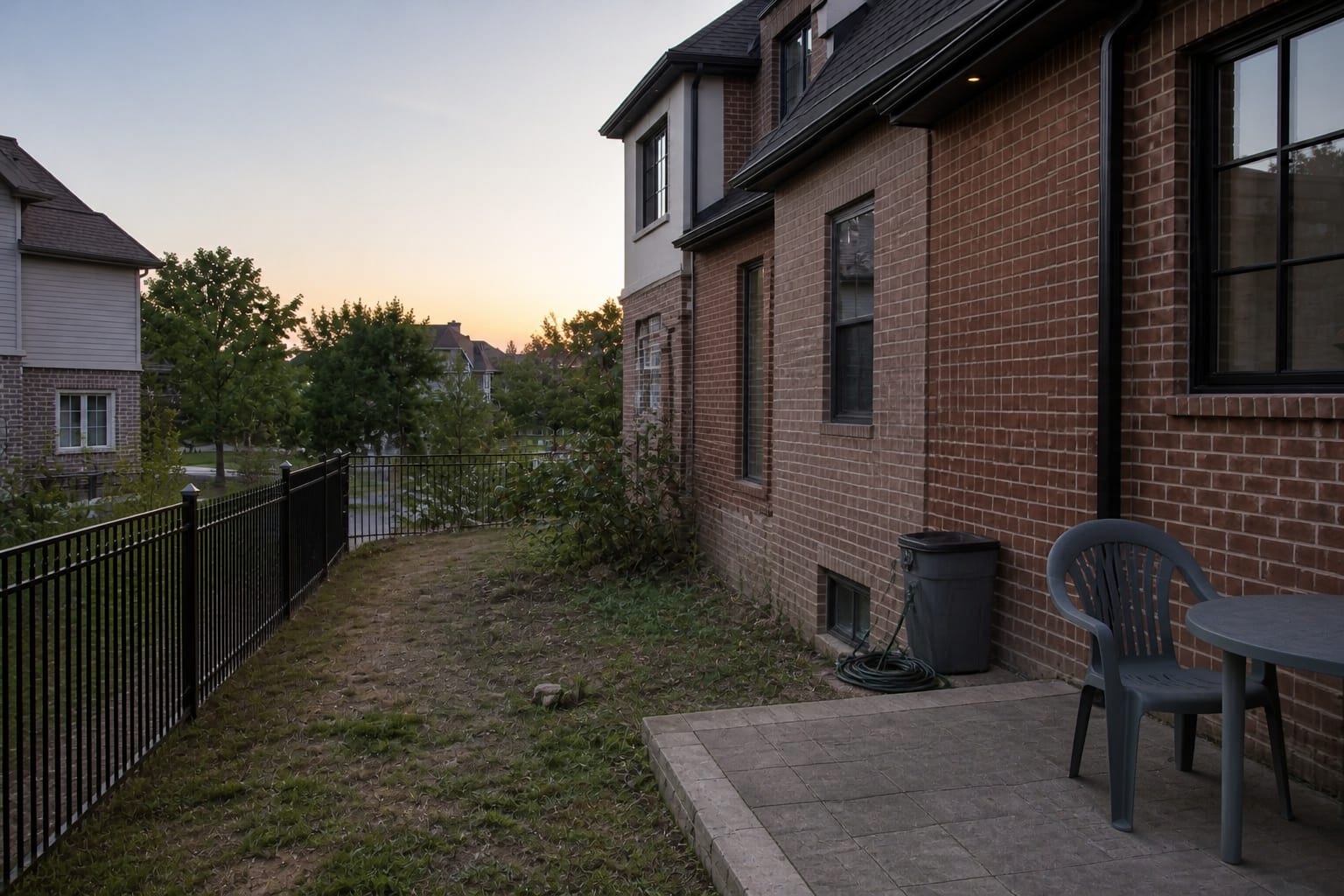
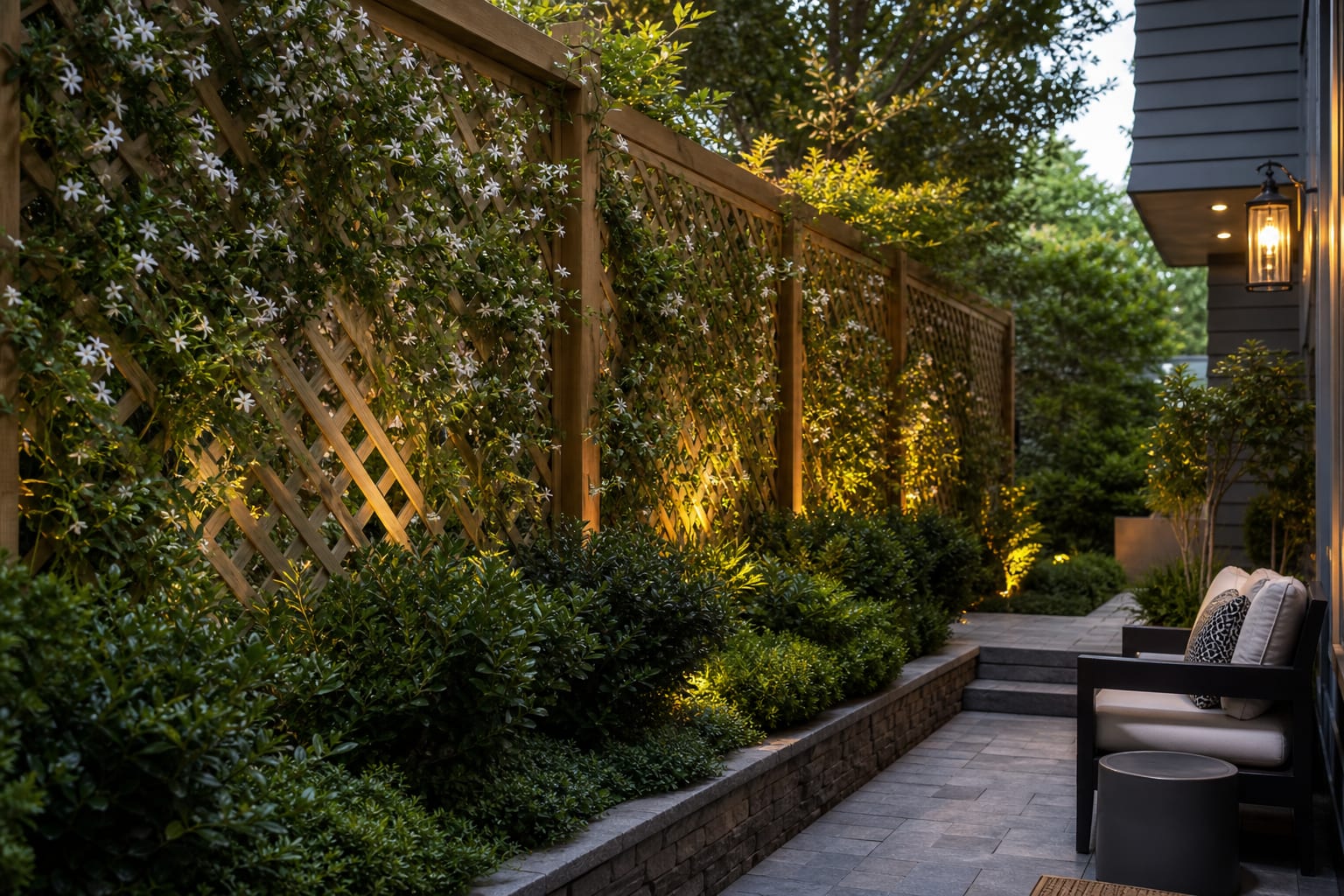
The best lattice fence privacy ideas treat the panel as a filter, not a wall: use 7/8in-thick lattice framed in solid 1x2 or 2x2 borders, mount it as a 24-36in topper above a 4-6ft solid fence, or run dense-pattern lattice alone for breathable side-yard screens that block sightlines while keeping light and air moving.
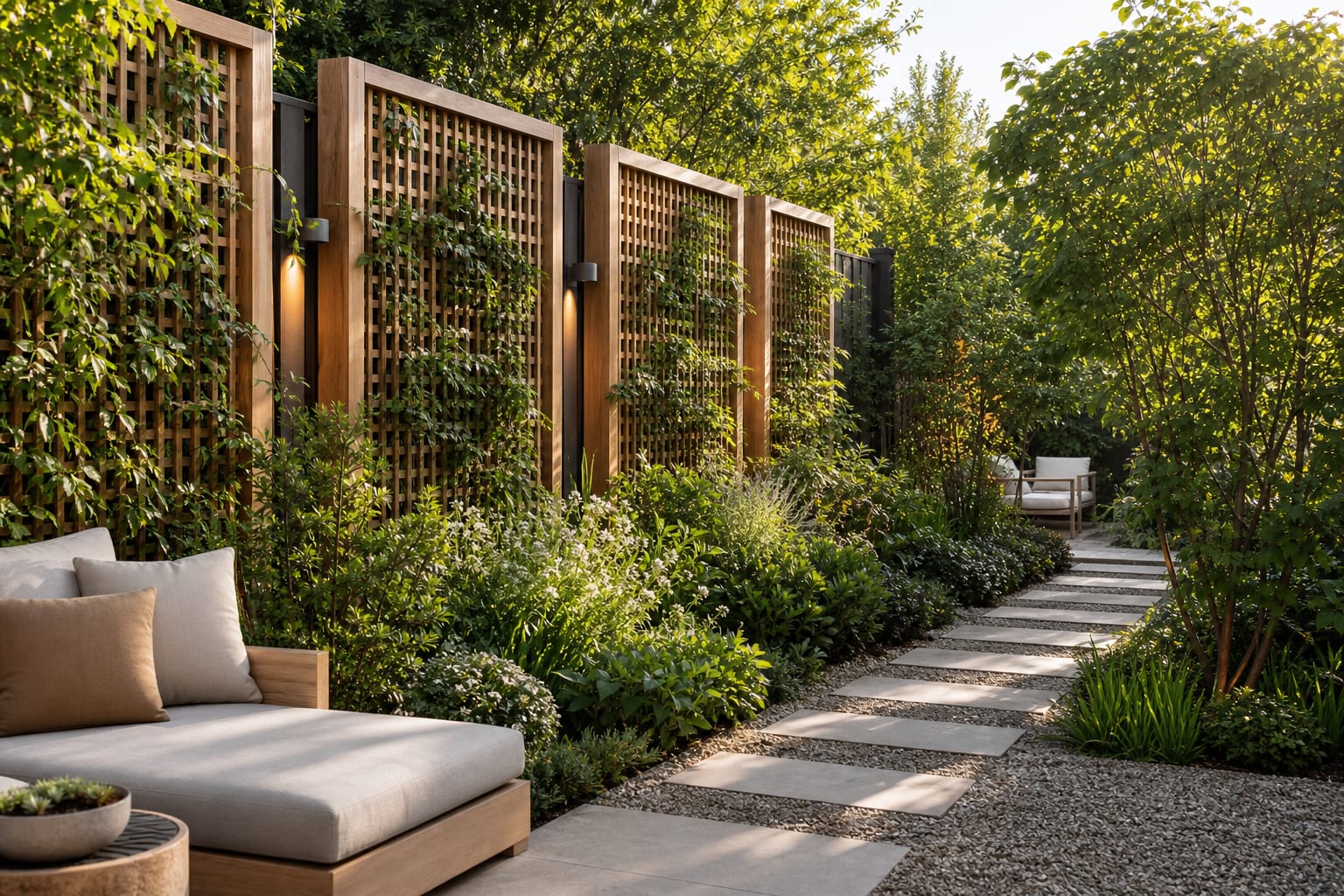
How does a lattice fence create privacy without boxing in the garden?
Lattice works best at partial privacy: side yards, patios, dining corners, hot tub edges, and neighbor-facing beds. It won't fully block a view from a second-story window.
Stand where you sit, cook, or walk most often and mark the exact sightline that bothers you — a deck rail, a trash area, a blank wall. A 42" panel beside a bench may solve more than a 6' panel placed elsewhere. In tight gardens, a low lattice section above a solid 30"-36" base feels calmer than full-height patterned wall.
The frame is what makes lattice look architectural, not decorative filler. Use posts every 6'-8', add a top cap, and pick openings that match the mood: tight 1"-1.5" gaps read private and traditional, wider 2"-3" gaps feel light and casual. If the garden already has an arbor, matching post size or stain ties the fence to a garden arbor design instead of leaving it as a separate feature.
Test this on your own photo with ReDesign before choosing a direction — keep the house edge, horizon line, hardscape, and main path visible so the preview solves the space you actually have.
Where should the lattice actually go?
Decide whether lattice belongs on the property line, around an activity zone, or inside a planting bed. Property-line lattice is the obvious pick, but if a neighbor's view only bothers you at a small bistro table, a screen placed 24"-36" behind the chairs solves more with less material.
- Dining areas: leave 36" clear behind chairs so people can slide out without scraping the panel.
- Hot tubs or outdoor showers: use 6'-7' of screening on the exposed side, broken by a cap, vine, or mixed planting.
- Walkways: keep 30"-36" clear; coordinate the screen with garden steps that feel integrated rather than treating it as a separate wall.
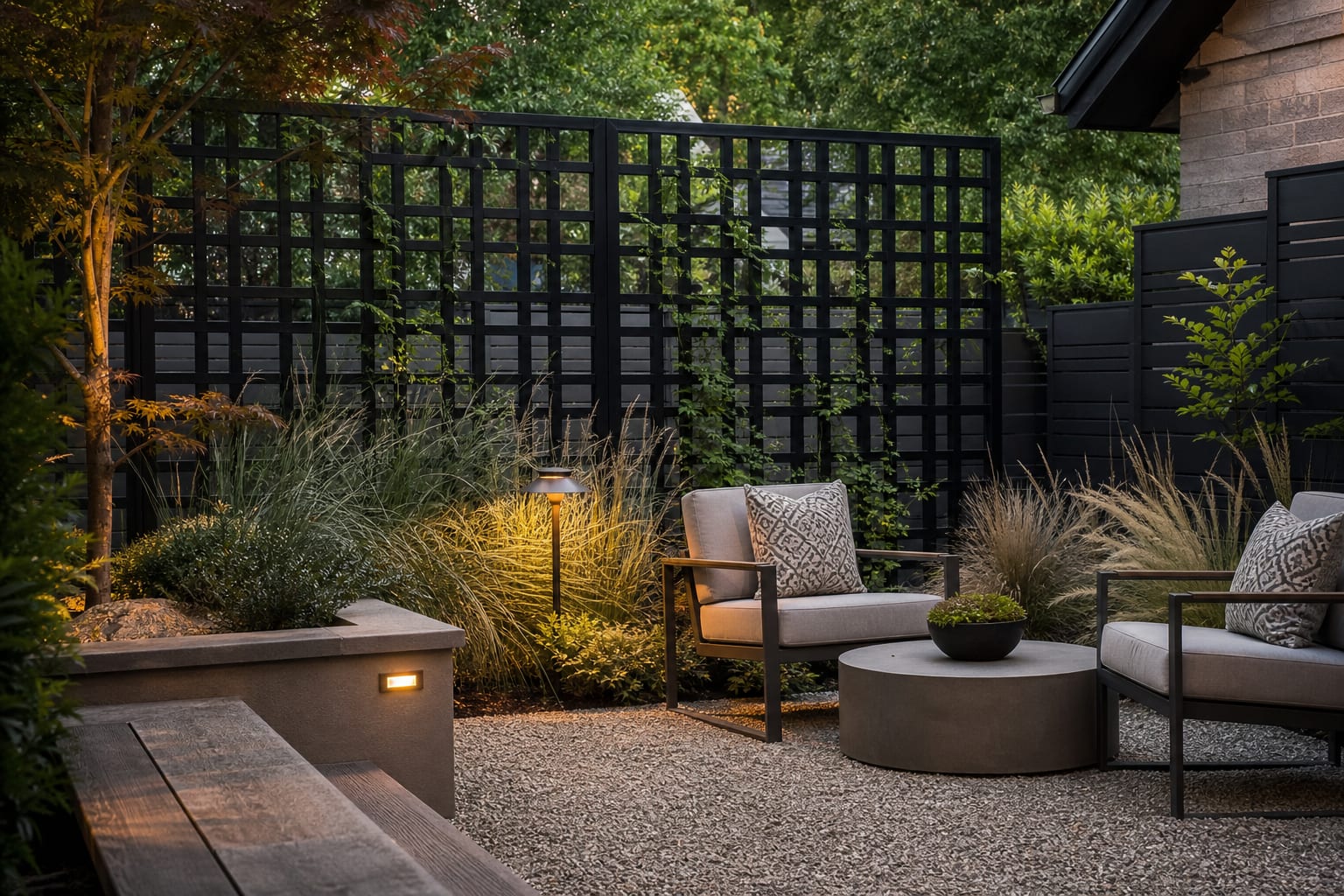
Material changes the feel too. Cedar and redwood weather warmly for cottage or naturalistic gardens. White lattice looks crisp but shows dirt fast in shaded, damp beds. Black or charcoal lattice tends to disappear behind glossy foliage. Vinyl is low-maintenance, but choose a heavier, framed panel — thin strips look flat in bright sun.
Five lattice fence privacy ideas that look designed, not tacked on
- Lattice over a solid base. A 30"-36" solid lower fence with 24"-30" of lattice above blocks low clutter — bins, chair legs — while still letting light cross the bed.
- Vine-trained panels. Star jasmine, clematis, climbing roses, or honeysuckle soften a 6' panel; leave 3"-6" between lattice and any solid wall behind it for airflow.
- Freestanding corner screen. Two panels at a right angle can define an 8' x 10' seating area with a bench, two lounge chairs, and a 5'-7' rug.
- Pattern by style. Diagonal lattice adds movement near roses and curved beds; square grids look sharper with grasses, boxwood, and concrete pavers.
- Planted buffer. Taller shrubs at back, perennials in the middle, groundcover at the edge — even an 18" bed settles a flat panel, and 30" gives grasses room to breathe.
Add one warm 2700K path light or shielded uplight near the screen instead of a bright fixture that blasts harsh shadows through the grid. Near a quiet seating spot, borrow the calmer mood of an outdoor meditation garden layout: less glare, fewer materials, planting that moves in the wind.
What mistakes make a lattice screen look cheap?
- Using lattice to camouflage a layout problem. If chairs face a driveway or bin area, rotate the furniture 30-45 degrees toward planting instead of relying on the screen alone.
- Choosing panels too flimsy for the span. Thin lattice stapled between posts bows and rattles. Use a real frame, keep posts plumb, and limit runs to 6'-8' bays.
- Ignoring the back side. If the reverse is visible from next door or an upper window, finish both faces with a cap board, consistent stain, and tidy fasteners.
- Planting aggressive vines with no pruning plan. Fast coverage can swallow the pattern or creep into gutters — pick a vine sized to the panel and prune after flowering.
How can I preview a lattice screen before I build it?
Privacy depends on camera angle, sunlight, and what sits behind the panel, so test a few versions before buying materials: natural cedar with vines, black square lattice behind grasses, white diagonal lattice over a low solid fence, or a freestanding patio corner screen.
Use the same camera height you see from a chair, not a flattering overhead angle. Compare 4', 5', and 6' heights if the view is sensitive, and test at least one option with planting in front. The most useful preview shows whether the screen solves the view without stealing light from the garden.
Frequently Asked Questions
Does lattice actually give privacy?
Open-weave lattice gives partial visual screening only. Dense privacy-lattice with 1/2in or smaller openings blocks direct sight lines at 5-7ft distance while still allowing air movement.
What size lattice should I buy?
Use 7/8in thick or heavier for residential fences. Anything thinner is decorative trellis grade and typically warps or breaks within 2-3 seasons of fence use.
Can I add lattice on top of an existing fence?
Yes. Frame the lattice in a 1x2 border, mount it on extended posts or metal bracket extensions, and add 24-36in of height without rebuilding the whole fence.
What plants grow well on a lattice fence?
Clematis, climbing hydrangea, akebia, and climbing roses attach or train easily to lattice. Avoid heavy climbers like wisteria, which can pull the panels apart over time.
Should lattice be painted or stained?
Stain natural cedar lattice; paint pine lattice to match the trim. Finish it before the first growing season, since paint applied after weathering tends to peel within a year.
> Try this: Ready to see this on your own outdoor space? Open ReDesign and run the preview before you buy materials, plant, drill, or move furniture.
Three transformations to try
1. Cedar fence with lattice topper 2. White lattice screen with climbers 3. Dense privacy lattice along side yard