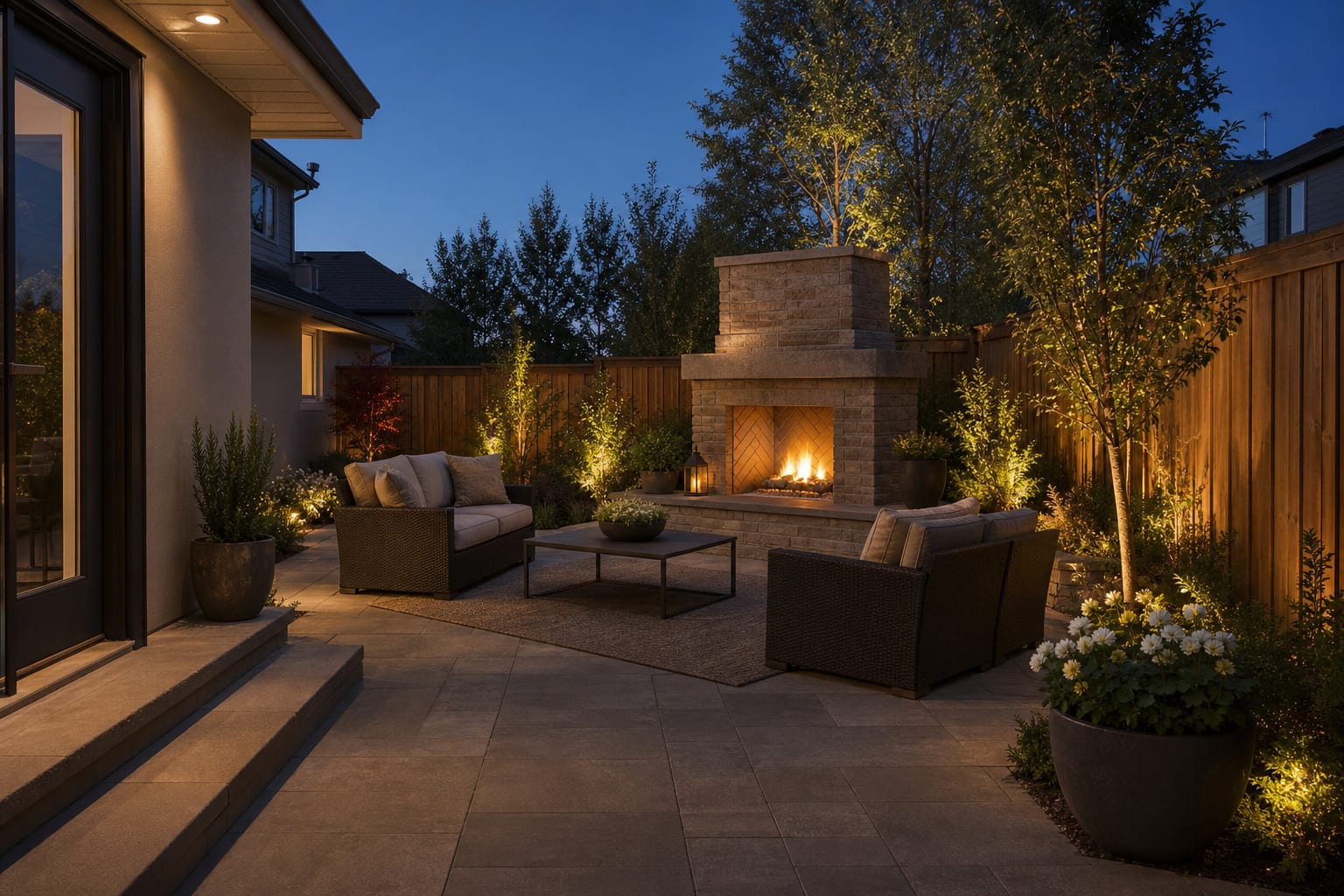
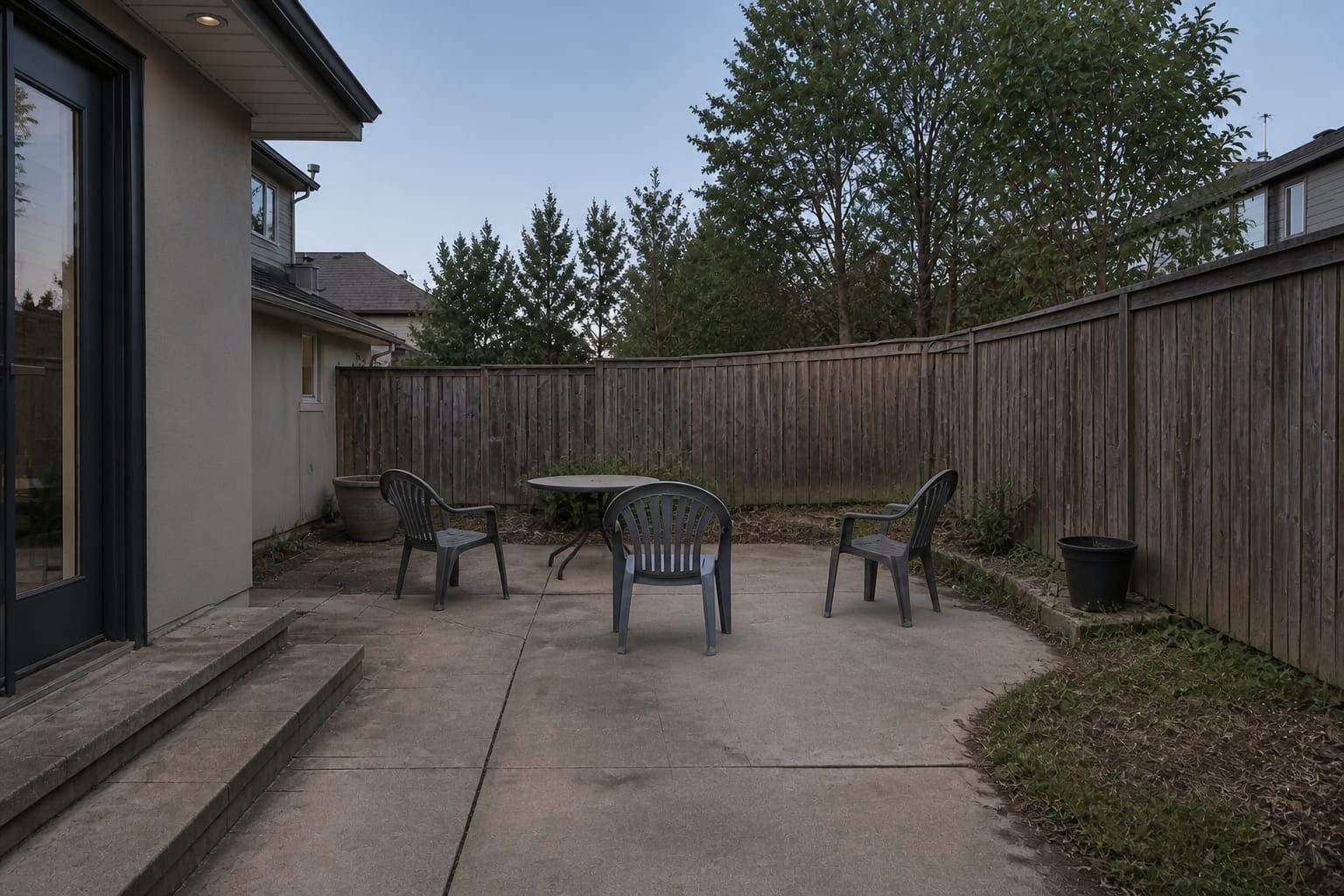
The best outdoor fireplace matches your patio's size, local code, and how you actually use the yard — for most homes that's a gas insert or well-built masonry fireplace on a 6in concrete pad, with a chimney rising at least 2ft above any structure within 10ft and a hearth extending 16in in front and 8in to each side. Design the firebox, seating, flooring, and smoke path together, not as separate purchases.
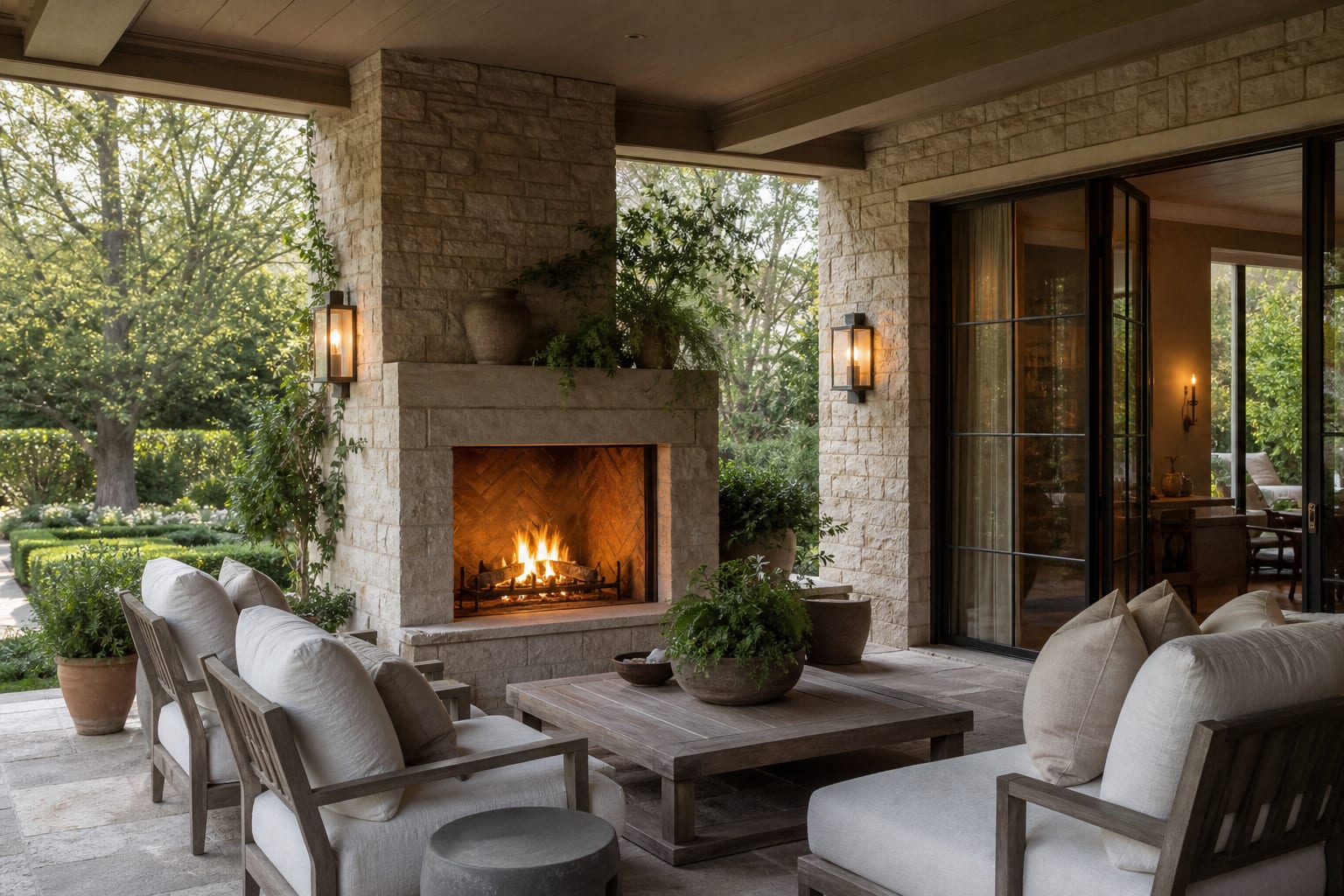
What makes an outdoor fireplace feel like part of the patio?
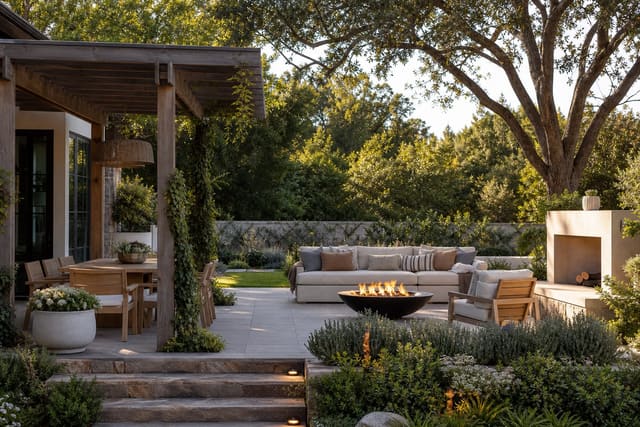
An outdoor fireplace feels intentional when it anchors the main seating group instead of sitting against the fence as decoration. The chimney or vent path should respect the house, and the surrounding hardscape should make the sitting area obvious without signage.
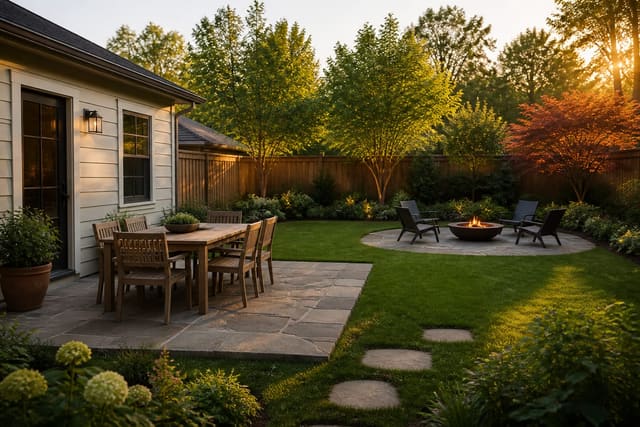
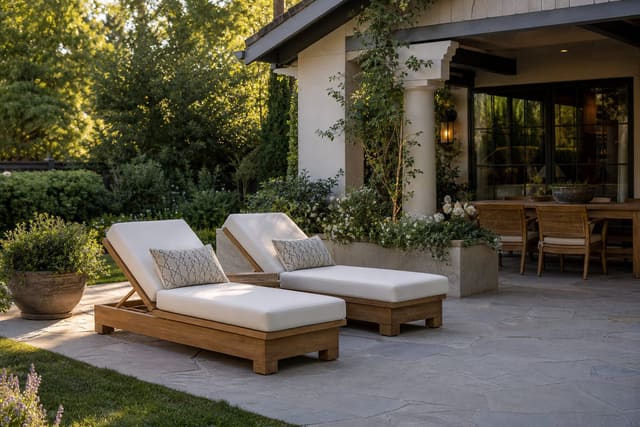
Start with footprint: a pair of lounge chairs works in roughly 8x10 feet, but a sofa, two chairs, and a hearth want closer to 12x16 feet. Leave at least 36 inches from the door to the seating area, wider near sliders and grills. If furniture placement is still unresolved, check a patio furniture layout guide before locating the fireplace face — chair depth changes the best wall position.
Match the surround to the architecture: stone or brick near traditional houses, smooth stucco beside Mediterranean or modern exteriors, blackened steel where railings and concrete are already crisp and simple.
Which fireplace type should lead the design?
Choose by permanence, fuel, maintenance, and scale: masonry for a built-in architectural wall, gas for controlled everyday use, steel for a smaller or contemporary feature. Low eaves, shifting wind, a tight side setback, or no fuel route can rule out an otherwise perfect inspiration photo.
| Outdoor fireplace type | Best patio use | Spec that keeps it realistic |
|---|---|---|
| Masonry outdoor fireplace | Large patios, traditional houses, permanent outdoor rooms | Needs 10-12ft of viewing distance so the chimney doesn't loom. |
| Gas outdoor fireplace | Covered patios, frequent weeknight use, clean ignition | Confirm venting, shutoff access, and clearances before framing the wall. |
| Steel fireplace | Modern or small patios, renters | Choose a stable, outdoor-rated unit; keep it clear of fabric shade and dry planting. |
| Linear gas fireplace | Contemporary lounge patios | A 48- to 60-inch flame length suits most sofas better than a small box. |
| Outdoor fireplace kit | Budget-conscious built-ins | Check footing, cap, firebox, and finish requirements, not just the kit shell price. |
Masonry looks like it was always part of the house, but it's the least forgiving: footing, firebox, chimney height, and code review need professional attention near roofs, fences, and property lines. Gas trades wood-fire ritual for predictable evenings and fewer smoke complaints. Steel is the agile option but needs restraint — next to delicate patio elements, a black steel box can dominate the whole view.
Test this on your own photo with ReDesign before committing; keep the house edge, horizon line, hardscape, and main path visible so the preview solves the actual space.
Five outdoor fireplace ideas worth testing
- Masonry back wall for a lounge zone. Keep the hearth 16-20in deep and add side planters or low walls so the chimney doesn't rise out of bare paving.
- Covered gas fireplace. Confirm venting and clearances first, then compare the flame wall with covered patio shade ideas so rafters, beams, and heat work together.
- Narrow steel fireplace for a townhouse patio. Set it on noncombustible paving, keep cushions outside the hot zone, and repeat the dark metal in chairs or lanterns.
- Corner fireplace for a diagonal conversation area. Works best off the main traffic route, with a clean 36-inch path behind seating.
- Low linear gas unit with large-format flooring. A 24x24in paver grid or poured slab keeps the face quiet; settle patio flooring ideas before cladding color.
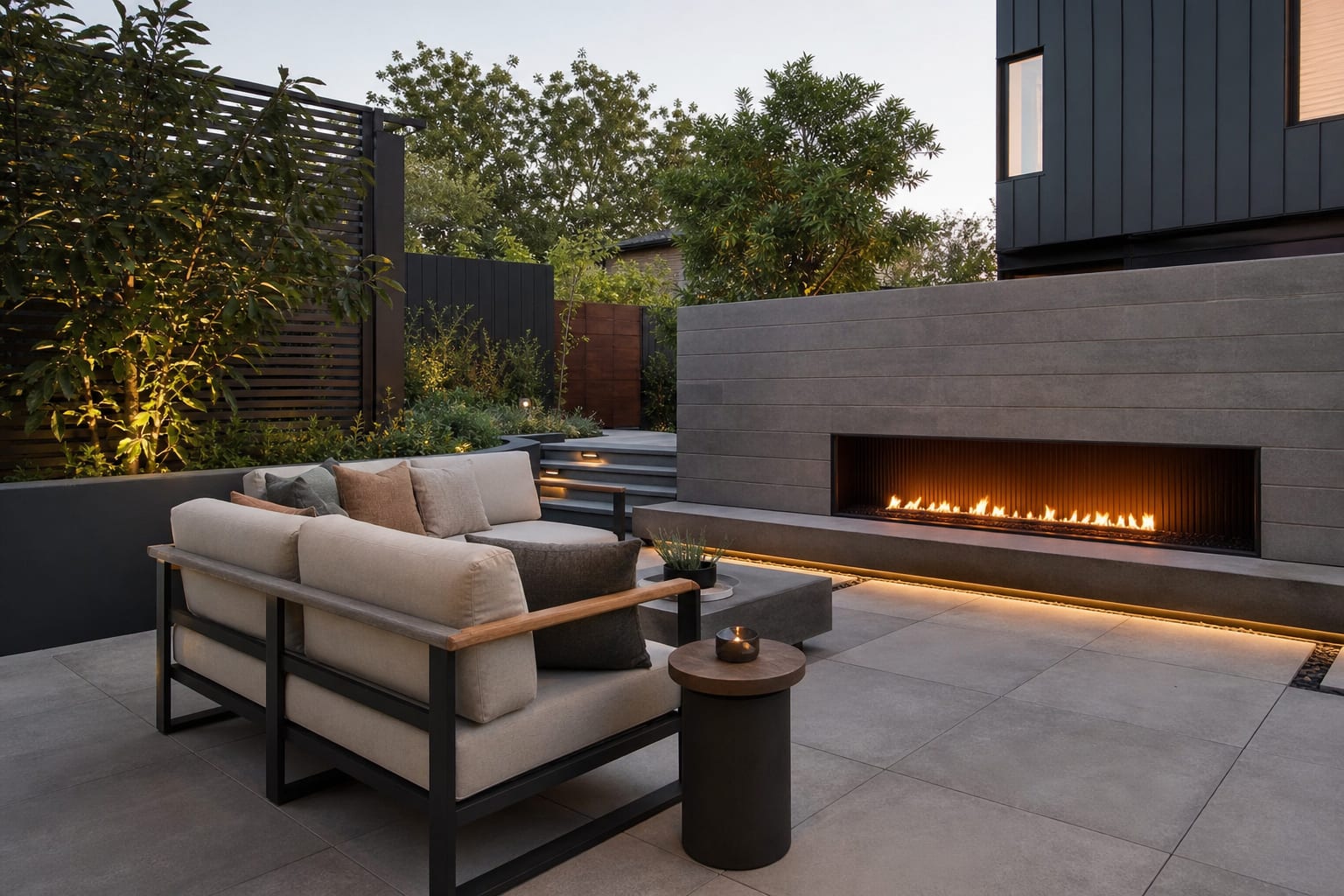
Common outdoor fireplace mistakes to avoid
- Oversizing for the seating distance. A huge chimney on a 10-foot-deep patio reads like a monument at the end of an alley; shrink the firebox or switch to a lower gas feature.
- Ignoring smoke and wind until the first cold night. Wood fireplaces need careful siting and chimney design, and a windy yard can still push smoke into dining chairs.
- Blocking the best door-to-yard route. If guests must detour around the hearth to reach the table or gate, the feature feels rude regardless of the stone.
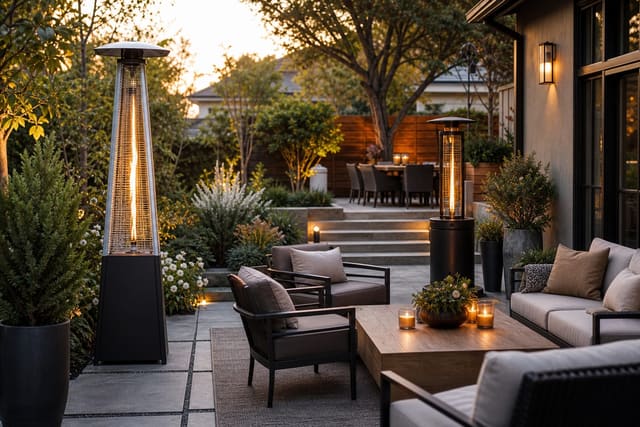
- Treating the fireplace as the only light source. Add low-glare step lights or sconces around 2700K so edges and level changes stay visible.
- Choosing cladding from an indoor sample board. Brick, stone, porcelain, and stucco shift outdoors — view samples against the house in morning light and after rain first.
Use AI to preview your outdoor fireplace before you commit
Upload a straight-on patio photo, then compare a stone masonry fireplace, a stucco gas fireplace, and a slimmer steel option from the same angle. Test one fireplace wall, one seating arrangement, and one flooring direction at a time. If a render feels crowded, narrow the chimney or move seating 2 feet back; if it looks lonely, add flanking planters or a shade structure that shares its geometry.
A preview doesn't replace a mason, gas fitter, electrician, or code official — it lets you reject the wrong scale before demolition, stone orders, and permit drawings make the mistake expensive.
Frequently Asked Questions
What is the best material for an outdoor fireplace?
Stacked natural stone (fieldstone, limestone, or bluestone) is the most traditional finish; cast-concrete block cores with stone veneer cost less and are equally durable; steel fireboxes with concrete surrounds are the most precise and need the least masonry skill.
Does an outdoor fireplace need a chimney?
Yes — a chimney at least 10ft tall from the grate and 2ft above any adjacent structure draws smoke away from the seating area. A shorter chimney smokes back into the seating zone in calm conditions.
How big should an outdoor fireplace be?
A 36in wide x 24in tall firebox opening suits most patios. Scale up to 42in wide x 30in tall for a primary entertaining focal point on a patio larger than 400 sq ft.
How much does an outdoor fireplace cost to build?
A pre-fab steel firebox with stacked-stone surround and cap runs $4,000-8,000 installed. A fully custom masonry fireplace with a raised hearth and integrated seating runs $12,000-25,000.
Can I convert a wood-burning outdoor fireplace to gas?
Yes — a licensed plumber installs a gas line to the firebox and a gas log set or burner pan. The existing masonry, firebox, and chimney remain unchanged, and the conversion costs $800-1,500 in parts and labor.
> Try this: Ready to see this on your own outdoor space? Open ReDesign and run the preview before you buy materials, plant, drill, or move furniture.
Three transformations to try
1. Stacked stone fireplace with raised hearth 2. Modern concrete fireplace with steel surround 3. Gas fireplace under covered pergola