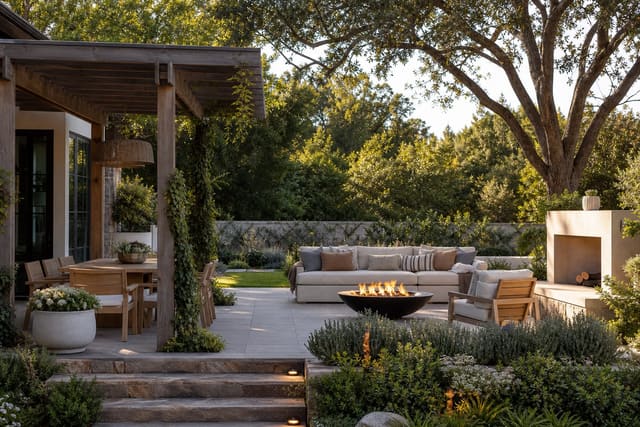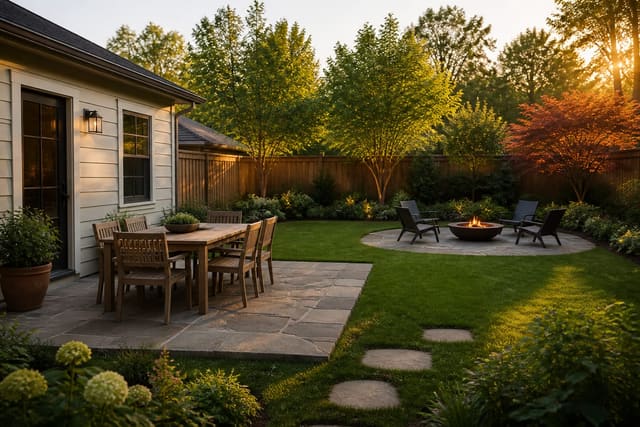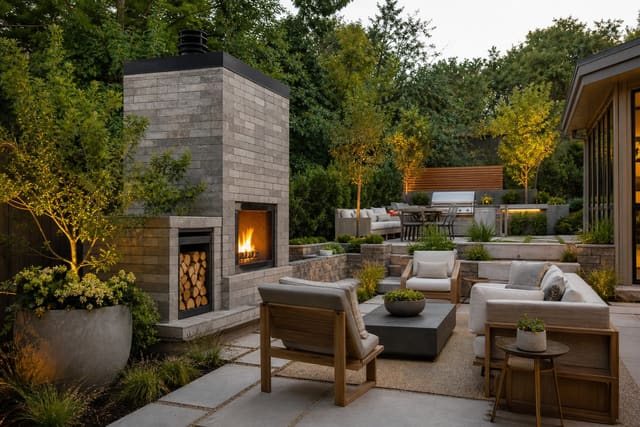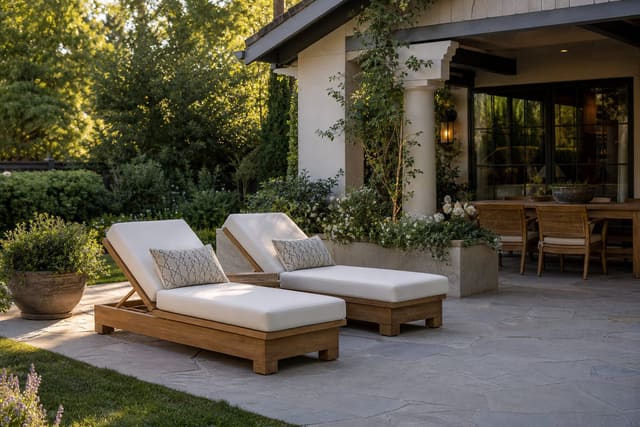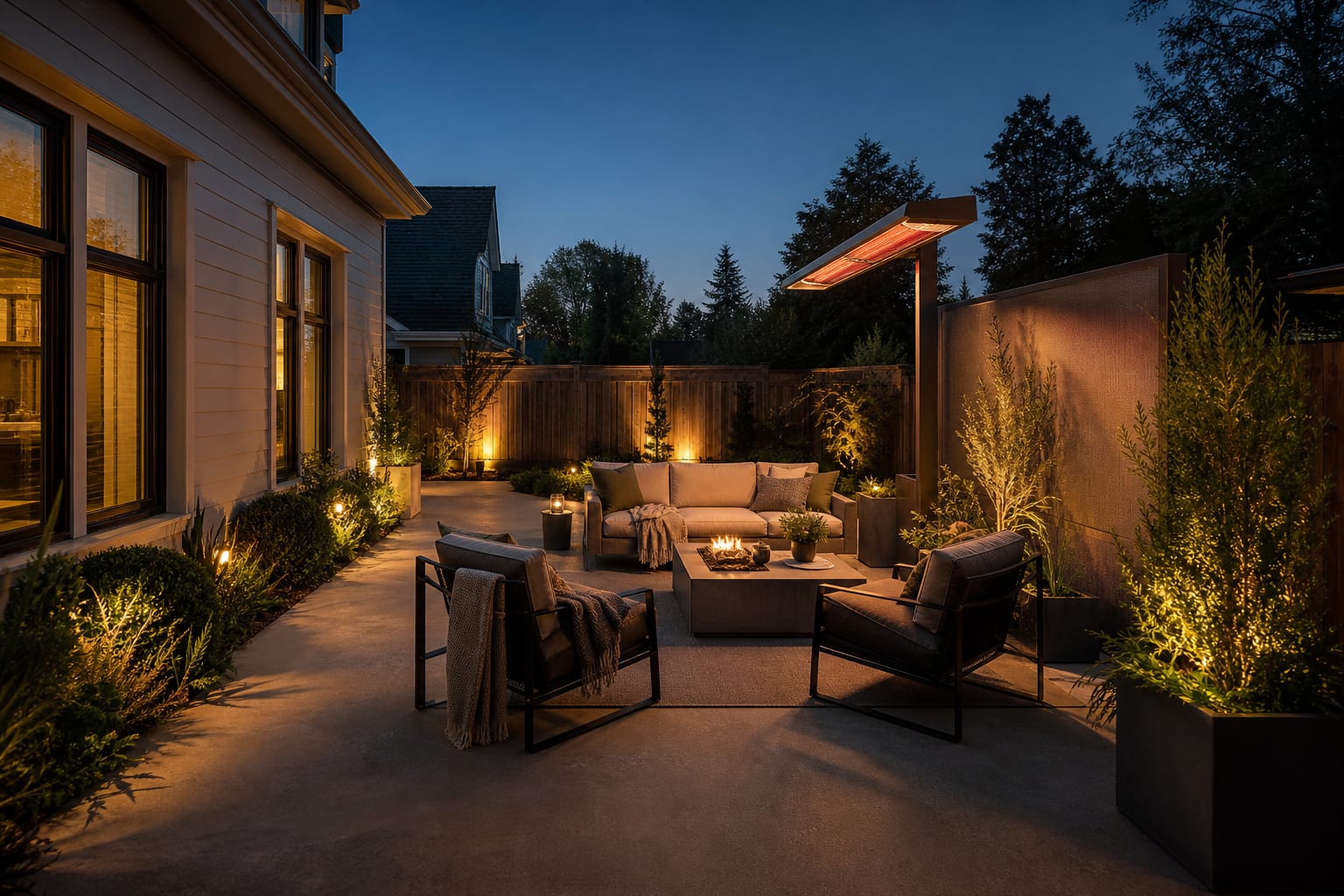
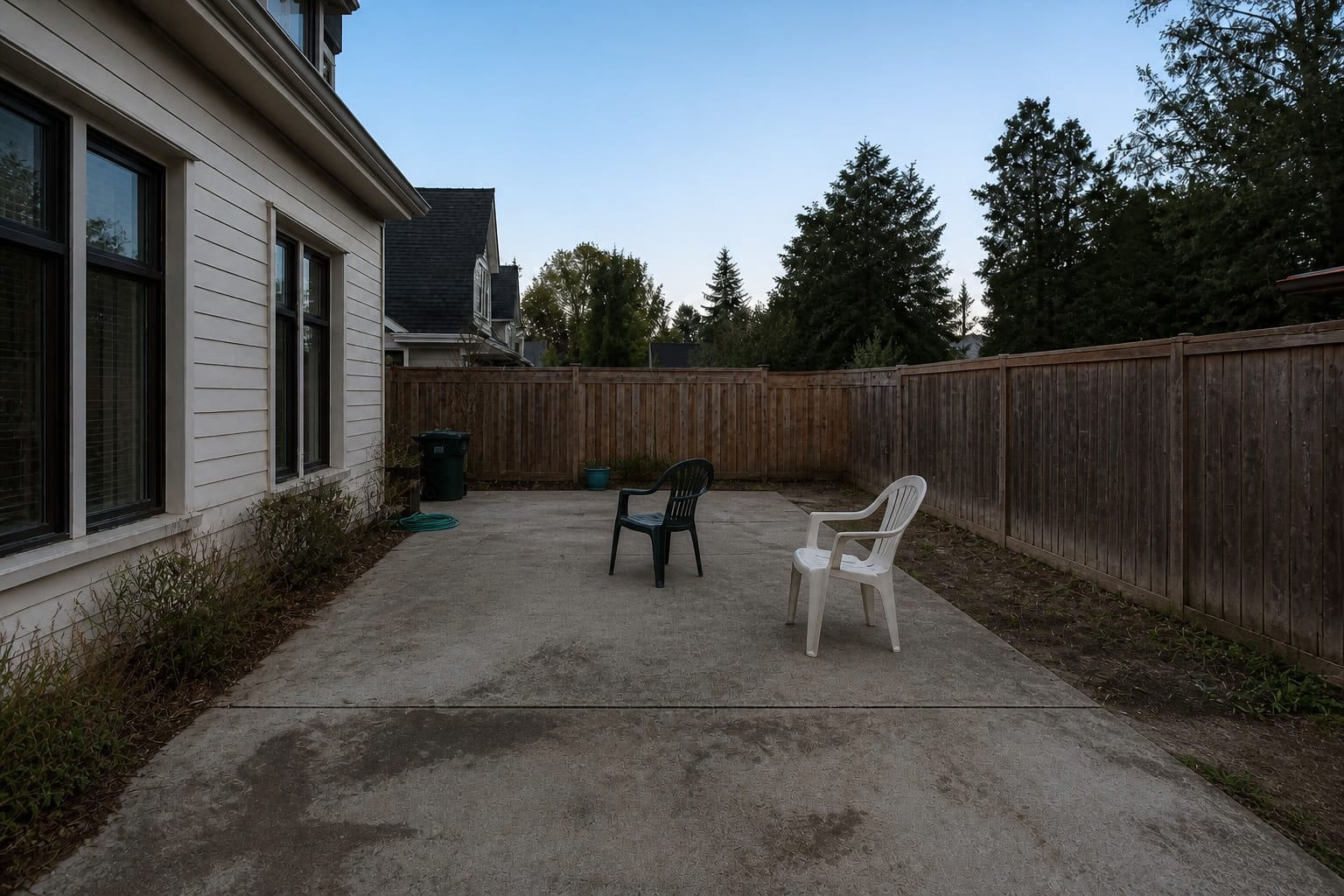
The best outdoor patio heater is usually an electric infrared heater under a covered patio or a propane mushroom heater for an open, flexible seating area. A 48,000 BTU propane heater covers a 6ft circle, a ceiling infrared unit covers 8-10ft under cover, and a fire pit heats a 10ft ring sideways rather than overhead. Match the heater to the space instead of chasing the biggest flame.
What makes patio heat feel comfortable instead of wasteful?
Heat outside is directional and easily defeated by a breeze, so treat the heater, seating, wind edge, and overhead condition as one small outdoor room rather than a single powerful fixture. Shrink the target first: a two-chair spot works in 6x8ft, four lounge chairs need roughly 10x12ft, and a four-person dining table wants near 10x10ft plus 36 inches to walk behind chairs.
Sketch where people actually sit before comparing infrared vs. propane heaters. If the seating plan is still undefined, use a patio furniture layout to set the room first so the heater supports the plan instead of becoming an obstacle.
Which patio heater option should lead the plan?
Choose by where the heater must live and how you use the space, not by heat claims alone: infrared for covered repeat-use zones, propane for open flexible layouts, natural gas for permanent built-ins, and fire tables when atmosphere matters as much as warmth.
| Patio heater option | Best use | Spec that keeps it realistic |
|---|---|---|
| Electric infrared heater | Covered patios, pergolas, wall-mounted lounge zones | Use an outdoor-rated unit; confirm mounting height, circuit needs, and clearance from wood, fabric, and roofing |
| Freestanding propane heater | Open patios, rental-friendly layouts, movable furniture | Stable base on level hardscape; clearance around hot top and tank access |
| Natural gas patio heater | Permanent outdoor rooms, frequent hosting | Plan gas line, shutoff access, and professional install before finishing flooring |
| Tabletop heater | Small balconies, shoulder-season use | Close-range warmth for one or two people, not a full-patio substitute |
| Fire table | Social lounge zones where flame sets the mood | Follow clearances; keep pillows and throws away from the flame path |
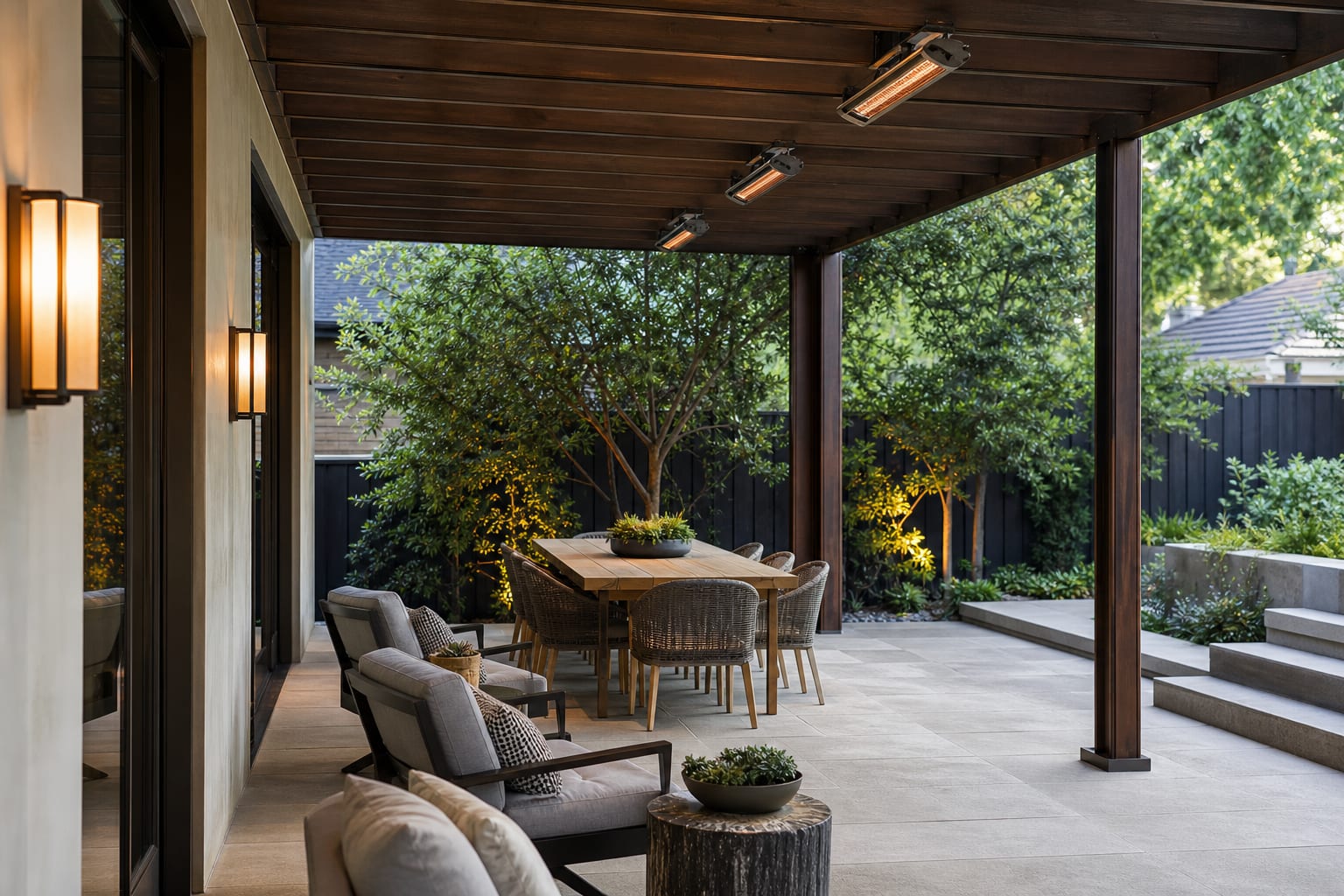
Electric infrared works best under cover because it's predictable: no huddling under a metal cap, no tank checks mid-dinner. The tradeoff is wiring and weather-rated fixtures planned before the ceiling is finished.
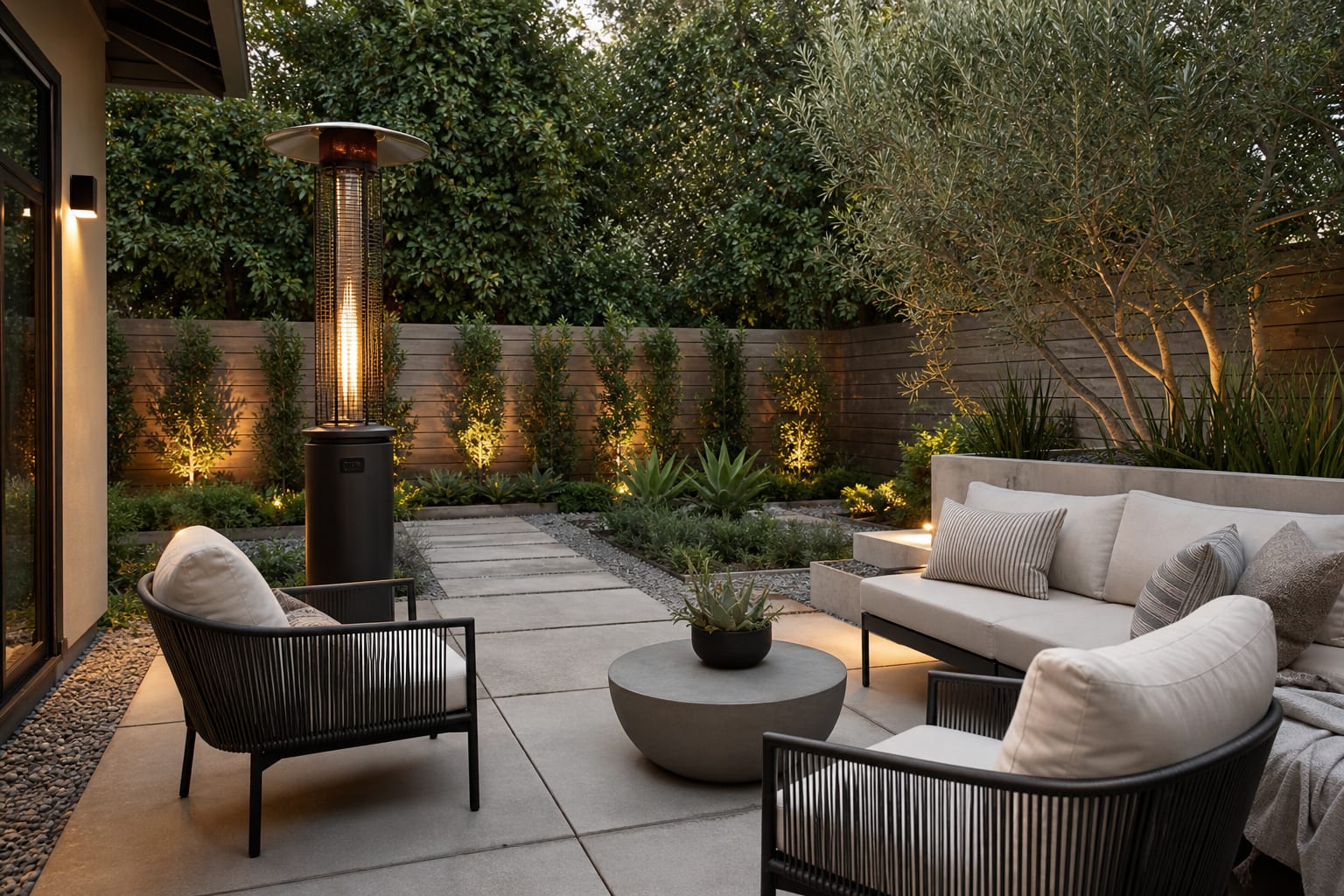
Propane is the flexible answer for a slab that hosts dining, grilling, and lounging on different nights. The penalty is visual bulk and tank management, so soften the zone with planters and furniture scaled to match.
Test this on your own photo with ReDesign before committing; keep the house edge, hardscape, and main path visible so the preview solves your actual space.
Five outdoor patio heater ideas worth testing
- Mount slim infrared heaters under a covered patio aligned with the sofa or table, not the ceiling centerline, and keep a 36-inch clear path from the door.
- Use one freestanding propane heater just outside a compact lounge cluster on flat flooring; check the patio flooring choice if pavers are uneven before trusting a tall heater on them.
- Add a wind screen on the exposed side. A 4-6ft privacy panel, hedge, or curtain stops a modest heater from losing comfort sideways, especially on decks and open-lawn-adjacent patios.
- Heat where the habit already exists - a two-chair corner near the kitchen door or a 10x12ft sectional area - rather than a distant fire-pit zone nobody visits in winter.
- Match a fire table to the furniture geometry: rectangular for sofa-and-chair setups, round for four chairs, with knee room and clearance both respected.
Overhead shade and heater clearance need to be solved together, since the same pergola or screen that blocks summer sun defines winter comfort. Compare your heater plan with an outdoor shade plan before buying a ceiling unit or pergola kit.
Common patio heater mistakes to avoid
- Buying for maximum radius instead of real comfort. Bring furniture closer before buying a bigger heater.
- Placing a freestanding heater on marginal ground. Tall propane units need level hardscape, not sloped lawn or loose gravel.
- Ignoring overhead and side clearances. Umbrellas, siding, and dry planting all change what's safe; manufacturer instructions and local code decide, not the inspiration photo.
- Treating heat as the only evening feature. Add low-glare step lighting and a side table within 18-24 inches of each chair.
- Installing permanent gas or electric before testing the layout. Mark heater spots with tape and walk the door-to-grill-to-table route for a week first.
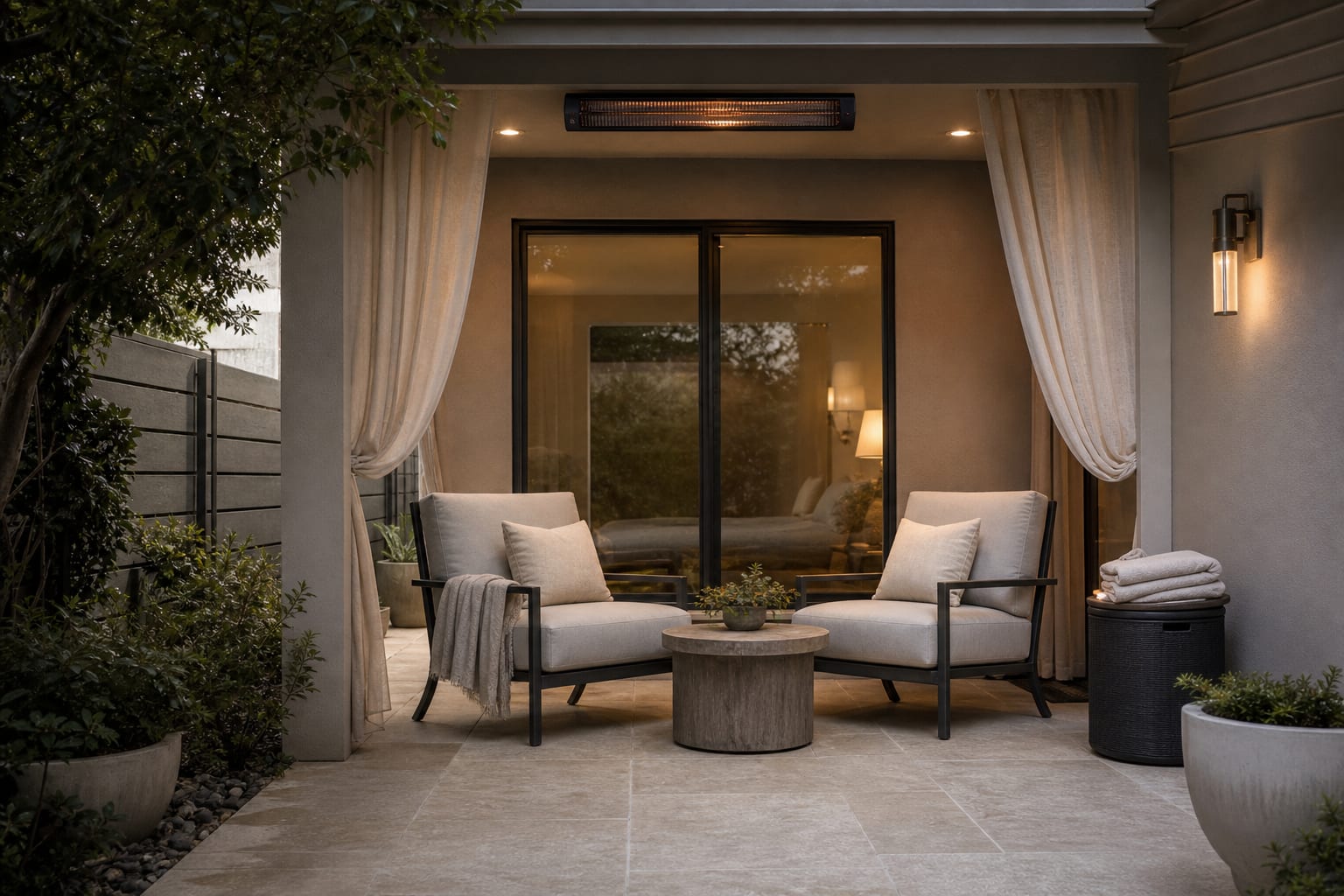
Use AI design to preview your heated patio before you commit
The expensive choices here are spatial: heater location, furniture grouping, shade, and wind screening. Upload a straight photo from the main seating angle and test an infrared ceiling heater, a propane standing heater, and a fire table from the same view.
If the image looks crowded, remove a chair before adding another heat source; if seating looks stranded, tighten the group by 12-24 inches or move the heater closer. Contractors, electricians, and code officials still handle wiring, fuel lines, and clearances - the preview just helps you reject the wrong option first.
Frequently Asked Questions
What is the most efficient outdoor patio heater?
Electric infrared heaters mounted overhead at 8-10ft are most efficient because they heat bodies and surfaces directly. Propane mushroom heaters lose roughly 60% of their BTUs upward into open sky, making them less efficient for the same fuel input.
How many BTUs do I need to heat an outdoor patio?
Plan for about 2,000 BTU per square foot on an open, exposed patio. A covered pergola with three walls needs only around 1,000 BTU per square foot because the structure retains radiant heat instead of losing it to wind.
Are propane fire pits or fire tables better for patio heating?
Fire tables heat the surrounding zone evenly but send little heat upward, so they suit lounge seating around the table itself. For a dining table, a ceiling-mount infrared heater above the group delivers more usable warmth to seated guests.
Can I use a wood-burning fire pit under a covered pergola?
No. Wood smoke accumulates under any solid or louvered cover and creates a fire and health hazard. Use a propane or natural gas fire pit, which produces no smoke, under any covered structure instead.
How do I run natural gas to an outdoor fire pit or heater?
A licensed plumber runs a ¾-inch CSST flex line from the meter to a buried rigid gas line at the pit or heater location. Permits and inspection typically add $300-600, but the installation is permanent and cheaper than propane over five years of use.
> Try this: Ready to see this on your own outdoor space? Open ReDesign and run the preview before you buy materials, plant, drill, or move furniture.
Three transformations to try
1. Ceiling-mount infrared heater under covered pergola 2. Gas fire table with seating ring 3. Propane patio heater beside dining area