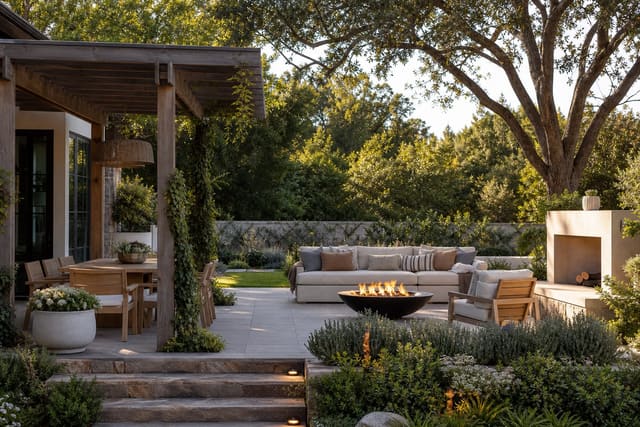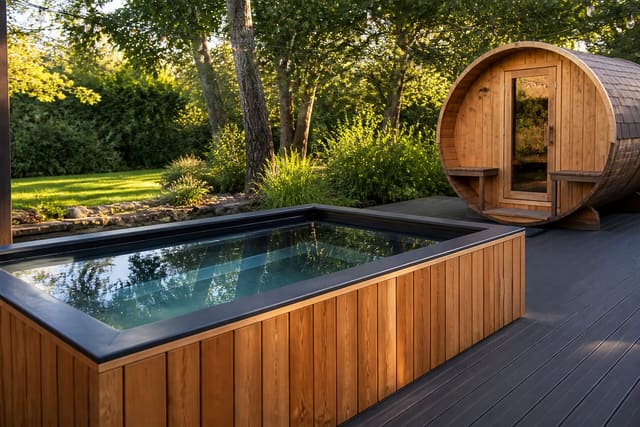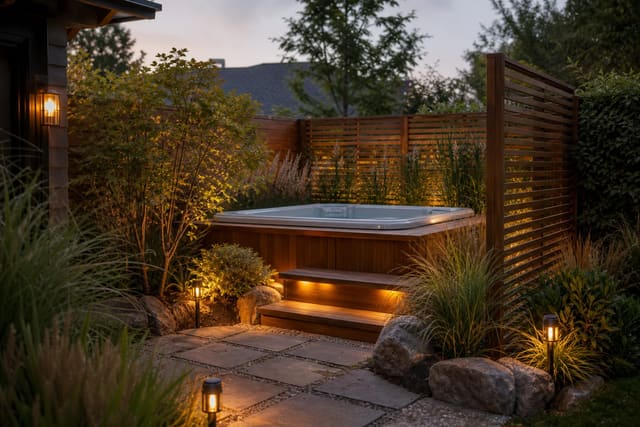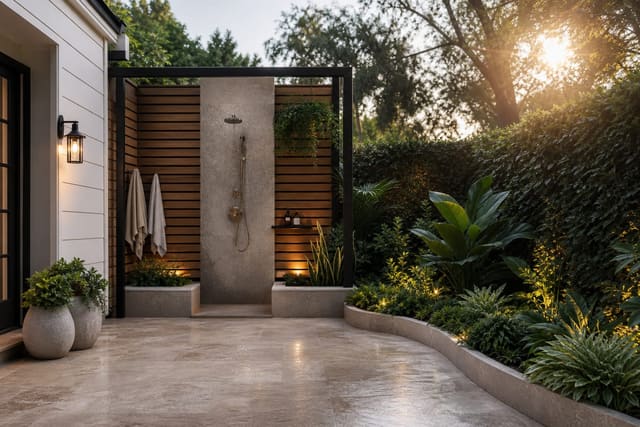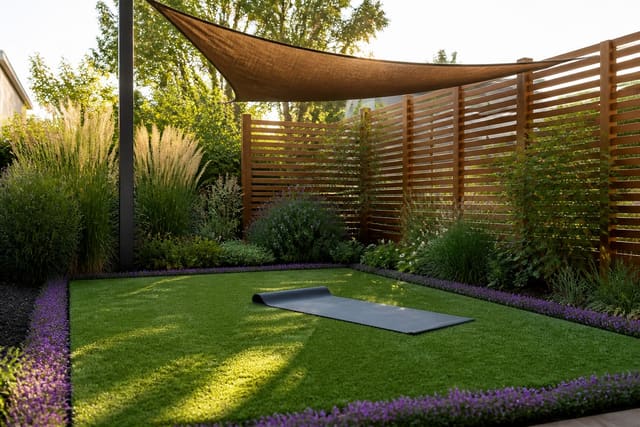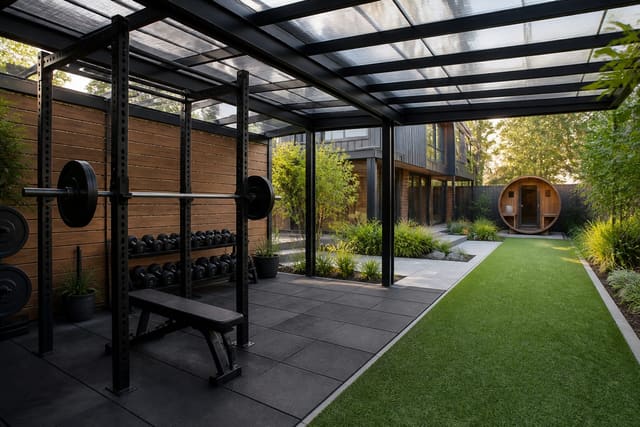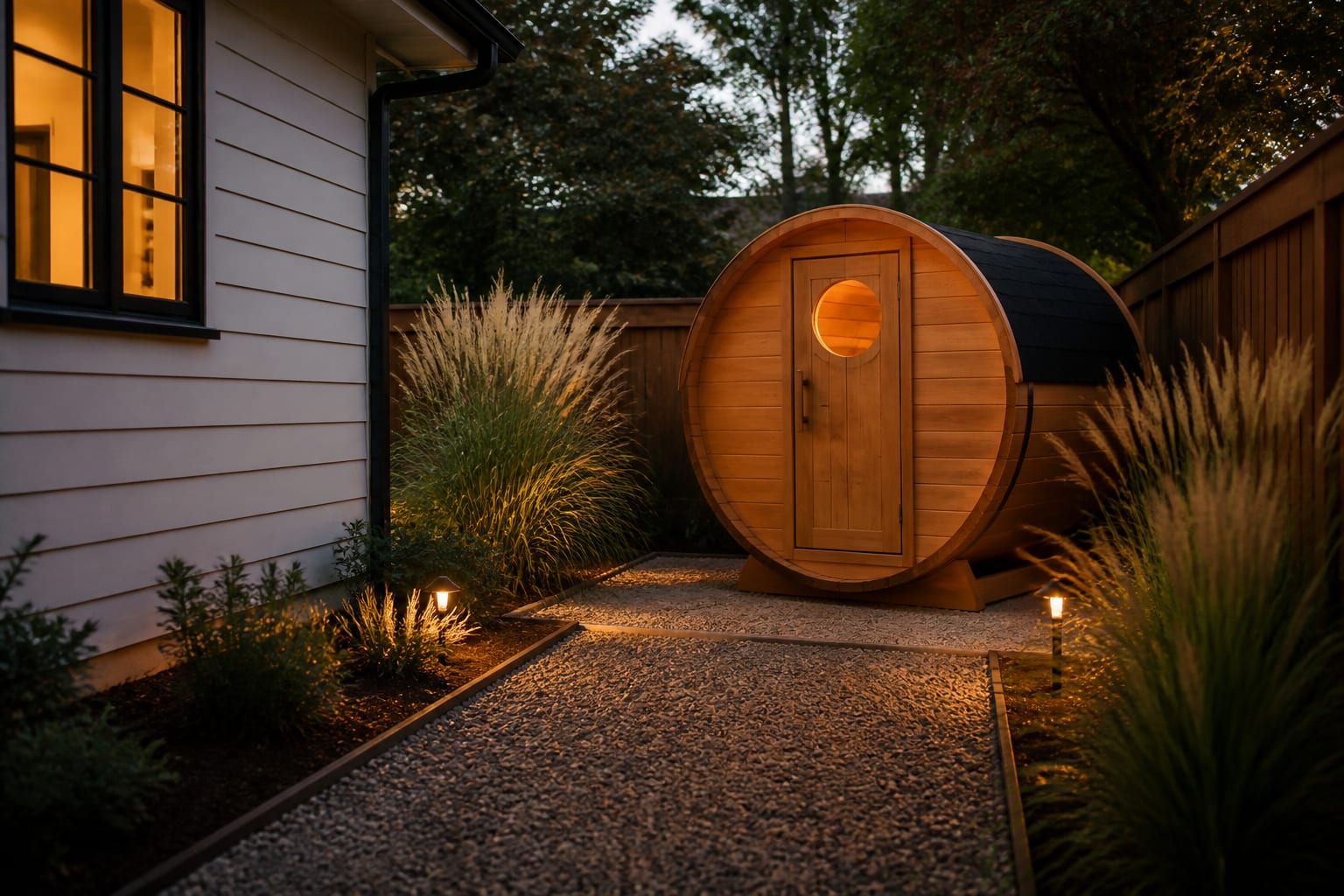
An outdoor sauna is a freestanding heated cabin — barrel, cube, or custom cedar build — placed in the yard for heat therapy and recovery. It is the single most-requested new backyard feature reported by designers. Typical costs run $3,000–$10,000+, depending on size, heater type, and whether you buy a kit or commission a custom build.
How Much Does an Outdoor Sauna Cost?
Outdoor saunas cost $3,000–$10,000+ depending on configuration, with kit barrel saunas at the lower end and custom cedar cabins at the upper end. Here is how the price tiers break down:
| Tier | Configuration | Typical Cost | |---|---|---| | Entry | 2-person barrel kit, electric heater | $3,000–$4,500 | | Mid-range | 4-person barrel or cube kit, electric heater | $4,500–$7,000 | | Premium | 6-person cube or cabin, custom cedar, electric | $7,000–$10,000 | | Custom/built-in | 6–8 person, architect or contractor build | $10,000+ |
The figures above cover the sauna structure and heater. Add $500–$2,000 for electrical work if you need a new 220V circuit run from the panel. A gravel or paver foundation typically adds $300–$800 for materials on a DIY basis. Delivery and crane fees apply for some barrel kits shipped as a single assembled unit rather than flat-pack.
One cost variable buyers underestimate is landscaping around the installation. A simple gravel surround, a few privacy shrubs, and low-voltage path lighting add meaningfully to the finished look but are easy to phase in over time after the sauna itself is operational.
What Style of Outdoor Sauna Should You Choose?
Barrel saunas heat faster and have a smaller footprint; cube and cabin saunas feel more architectural and offer more headroom. The right shape depends on your yard size, aesthetic, and how many people will use it.
| Style | Footprint | Capacity | Heat-Up Time | Best For | |---|---|---|---|---| | Barrel | 7–8 ft long × 5–6 ft wide | 2–4 persons | 20–30 min | Small yards, DIY assembly, rustic look | | Cube/box | 6×6 to 8×8 ft | 2–6 persons | 30–45 min | Modern aesthetic, larger groups | | Custom cabin | 8×10 ft or larger | 4–8 persons | 30–60 min | Permanent installation, full design control |
All three styles work in cedar, hemlock, or thermally modified wood. Cedar is the most common because it resists moisture, repels insects, and produces a classic sauna scent. Thermally modified wood is a newer option that is denser and more dimensionally stable in wet climates — useful in the Pacific Northwest or Upper Midwest where freeze-thaw cycles are severe.
The barrel's curved geometry is not just aesthetic. The vaulted interior naturally circulates hot air from the heater along the ceiling and back down around the benches, which means the top bench reaches your target temperature faster and more evenly than a flat-ceiling box of the same cubic footage.
Wood-Fired or Electric Sauna: Which Is Better?
Electric heaters are easier to install, require no wood supply, and let you set a timer so the sauna is ready when you arrive; wood-fired heaters cost less upfront and create a more traditional experience but require venting and a fuel source. Electric is the practical default for most suburban yards.
Electric heaters need a dedicated 220V, 30–60 amp circuit — the same class of circuit as an electric dryer. If your panel is close to the sauna placement, the electrician run is straightforward. If the sauna is at the far end of the yard, trench wiring adds cost and planning time. Ask your electrician to quote running the wire in conduit rather than direct burial so future upgrades are simpler.
Wood-fired heaters use a stacked-stone or steel firebox fed with split wood. They have no electrical requirement, but local codes often require a spark arrestor on the flue and a minimum clearance from fencing and structures. In areas with burn restrictions — common in California and the Pacific Northwest — wood-fired heaters may be off the table entirely on high-fire-danger days. For cold-climate states like Minnesota (which leads national sauna search volume), wood-fired heaters are a culturally familiar choice with a reliable local fuel supply.
A practical middle ground exists: some manufacturers offer combination heaters that accept both electric elements and an optional wood basket. These units let you use electric for convenience on weekday evenings and switch to wood-fired for a more ceremonial weekend session.
Where Should You Put a Sauna in Your Yard?
The best sauna placement balances privacy from neighbors, a short path to the house or cold plunge, and a stable, level surface — ideally within 50 feet of your electrical panel if you choose an electric heater. A gravel pad, concrete pavers, or a low deck are the three standard foundation choices.
Privacy matters because sauna sessions are an immersive wellness ritual, not a poolside activity. Tuck the sauna behind a fence line, screen it with tall grasses or hedges, or position it against the house for a natural visual block. Leave at least 18 inches of clearance on all sides for airflow and maintenance access; some manufacturers specify 24 inches on the side with the heater flue.
Proximity to a cold plunge or outdoor shower amplifies the contrast-therapy benefits. Most wellness designers recommend a path of 10–30 feet between the sauna exit and the cold tub so the transition is immediate but not cramped. A non-slip path surface — composite deck tiles, textured pavers, or rubber mat — is important because you will make that walk barefoot and sometimes in the dark.
Foundation options at a glance:
- Gravel pad — fastest, best drainage, least expensive; works under any barrel or cube kit
- Concrete pavers — stable and clean-looking; adds a finished aesthetic without triggering a permanent-structure permit in most codes
- Deck platform — ideal when the yard slopes; builds in airflow beneath the sauna floor and creates a finished entertaining zone around the sauna
Orient the door so the first step out faces the cold plunge rather than a fence or wall. That small orientation detail makes the contrast-therapy circuit feel intentional rather than accidental.
Do Outdoor Saunas Need a Permit?
In most jurisdictions, a freestanding sauna on a gravel or paver pad under 200 square feet does not require a building permit, but an electrical permit is almost always required for the 220V circuit. Rules vary by city and county, so confirm with your local building department before you start.
Permit triggers to watch for: (1) a concrete foundation, which some codes classify as a permanent structure and require a building permit; (2) a sauna attached to the house rather than fully freestanding; (3) any wood-fired heater that vents through a roof penetration. Keep your sauna freestanding, on a gravel or paver pad, and under the local accessory-structure size threshold to stay in the simplest permit category.
The electrical permit is non-negotiable. A licensed electrician pulling a permit ensures the GFCI protection, breaker sizing, and underground wiring depth meet code — all relevant to safety in an outdoor installation that will be exposed to moisture year-round.
What Size Outdoor Sauna Do You Need?
A two-person sauna requires roughly 4×4 feet of interior bench space; a four-person sauna needs about 4×6 feet of bench area; a six- to eight-person session sauna starts at 6×8 feet of bench. Most residential barrel kits land in the two-to-four-person range, which suits the overwhelming majority of household use.
| Capacity | Interior Bench Area | Typical Exterior Footprint | |---|---|---| | 2 persons | 4×4 ft | 5×6 ft | | 4 persons | 4×6 ft | 5×8 ft | | 6 persons | 6×8 ft | 7×9 ft | | 8 persons | 8×8 ft | 9×10 ft |
For contrast therapy layouts, plan your yard to accommodate both the sauna footprint and a cold plunge tub — typically 4×4 to 4×6 feet for a stock-tank or commercial unit — with a 3–5 foot circulation path between them. A well-designed recovery zone with a two-person sauna, a cold plunge, and an outdoor shower fits comfortably in a 12×16-foot zone, leaving room for a bench or lounger between stations.
If you entertain regularly, size up by one capacity tier. A four-person sauna runs the same electrical load as a two-person model but gives two couples room to use the space simultaneously, which dramatically increases how often the sauna gets used.
How Can You Preview Your Outdoor Sauna Before You Build?
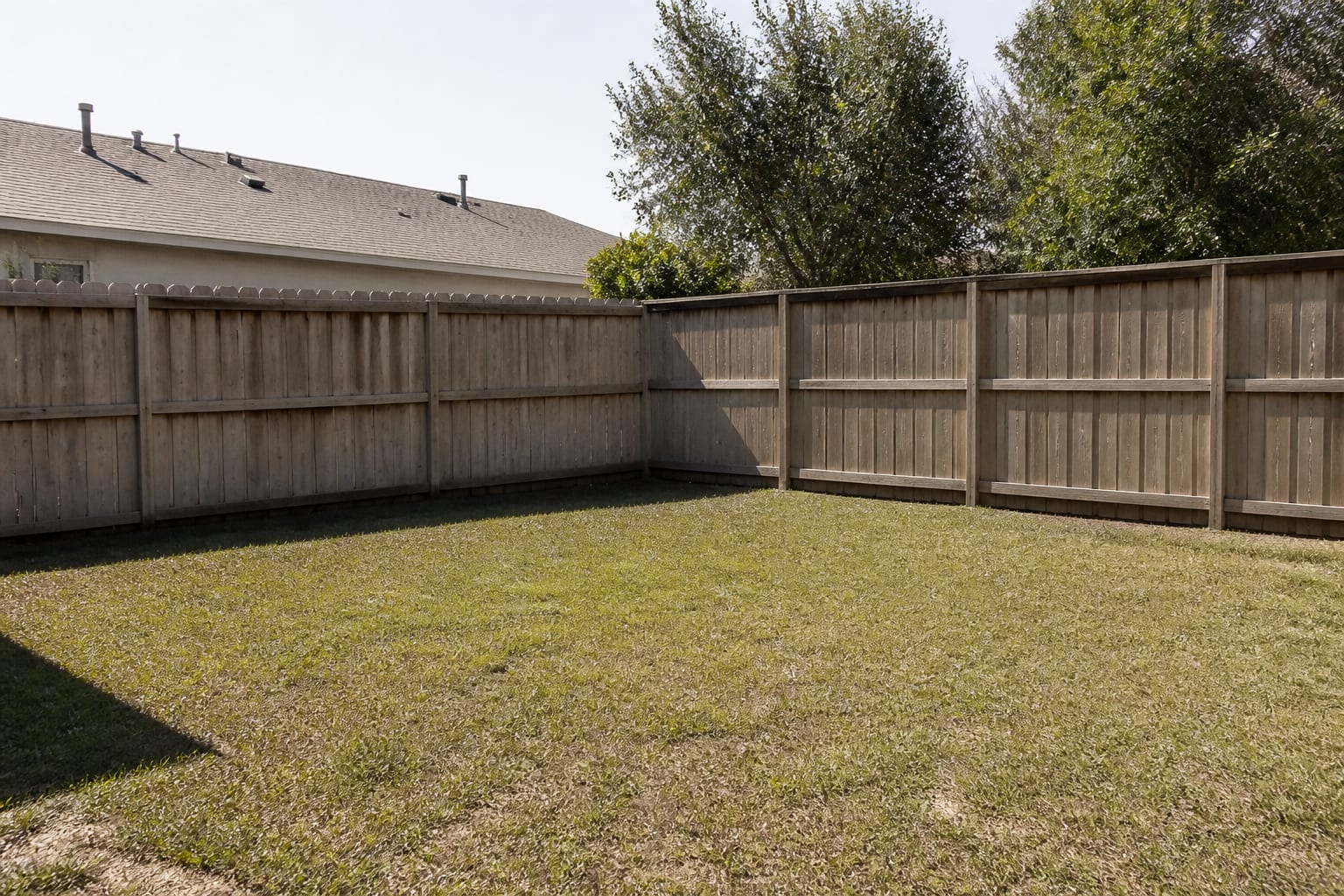
Upload a photo of your yard to Re-Design and test the sauna in multiple placements before you spend a dollar. The AI renders the structure at photorealistic scale so you can see how a barrel kit looks tucked behind the fence versus centered on the patio, or how a dark-stained cube reads against your existing landscaping.
The "find the sauna's home" render is one of the most decisive tools buyers use before committing to a $5,000+ purchase. Seeing the sauna in three different yard positions in the same afternoon eliminates the guesswork that usually sends buyers back to the research phase for weeks.
Try these prompts to get started:
- Barrel sauna in back corner with gravel pad
- Modern cube sauna on deck near cold plunge
- Custom cedar cabin sauna screened by tall grasses
Seeing three placements side by side makes the location decision obvious — and gives you a shareable image to show your contractor before they quote.
Frequently Asked Questions
How much does a backyard sauna cost?
A backyard sauna costs $3,000–$10,000+ depending on size and configuration. Entry-level two-person barrel kits start around $3,000; custom six- to eight-person cedar cabins push well past $10,000. Electrical work for a 220V circuit and foundation materials are additional costs to budget separately.
Do I need a permit for an outdoor sauna?
Most municipalities do not require a building permit for a freestanding sauna under 200 square feet on a non-concrete pad, but an electrical permit is nearly always required for the 220V circuit. Check your local building department — rules vary by city, and attaching a sauna to the house or pouring a concrete slab can change the permit category.
Is a wood-fired or electric sauna better for a backyard?
Electric saunas are more convenient — no wood supply needed, programmable preheat, consistent temperature — and are the practical default for most suburban yards. Wood-fired saunas cost less upfront and deliver a more traditional experience but require venting clearance and may violate local burn restrictions in California and other western states.
How long does it take for an outdoor sauna to heat up?
Barrel saunas with electric heaters typically reach temperature in 20–30 minutes; larger cube and cabin saunas take 30–45 minutes. Wood-fired models vary by firebox size and wood quality. The predictable preheat time of an electric unit is one of the main practical reasons homeowners favor it over wood-fired.
Can I pair an outdoor sauna with a cold plunge?
Yes — contrast therapy, moving between a hot sauna and a cold plunge kept at 38–55°F, is the primary reason demand for both features has grown in tandem. Plan a 10–30 foot path between the sauna exit and the plunge, use a non-slip surface throughout, and add an outdoor shower nearby to rinse between sessions.