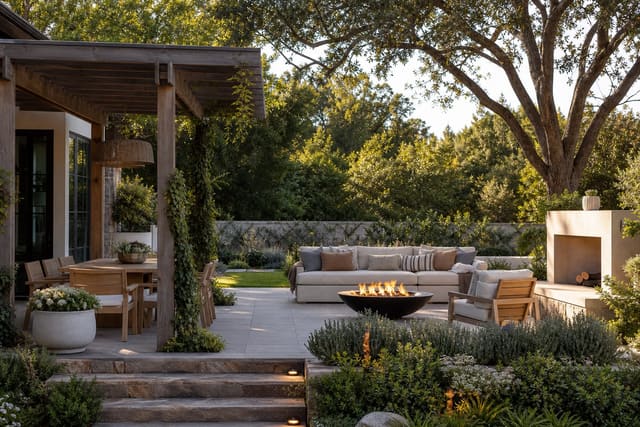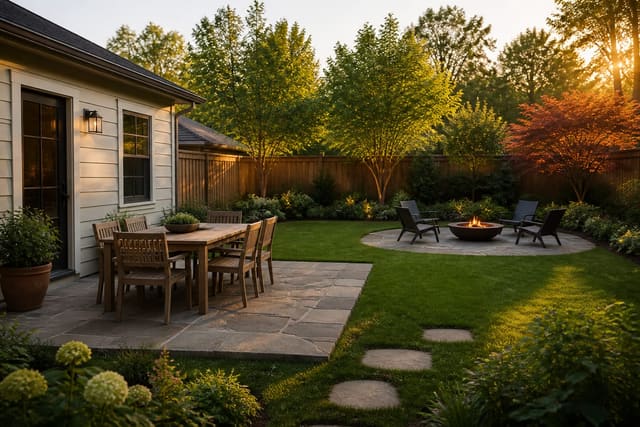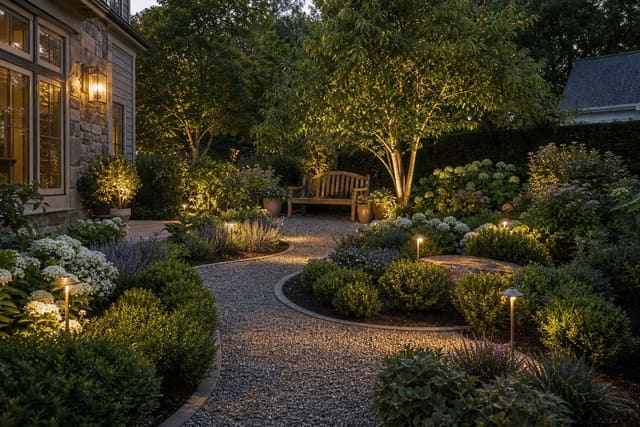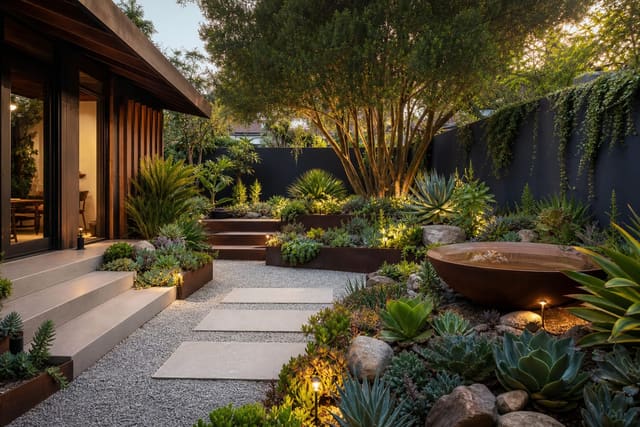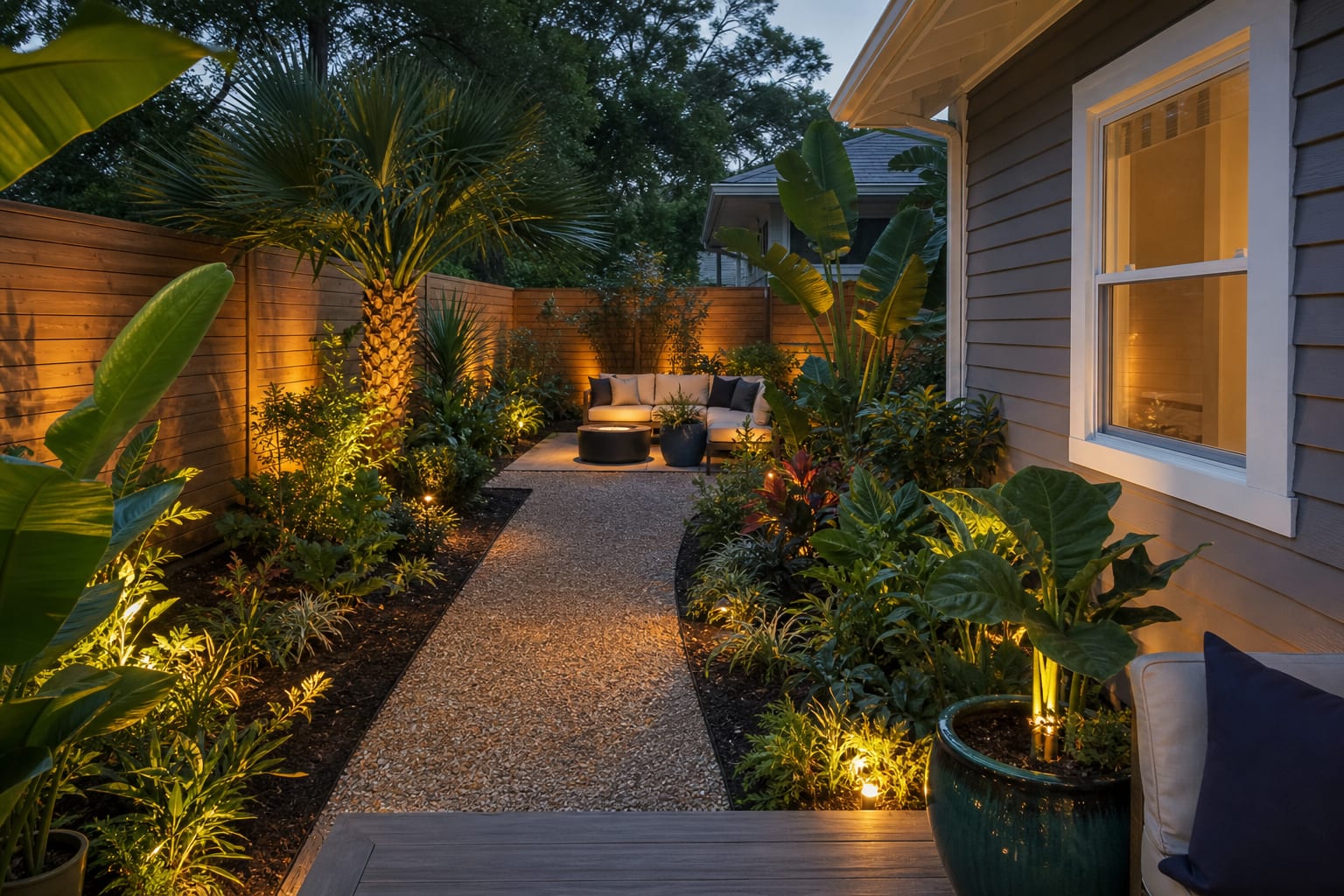
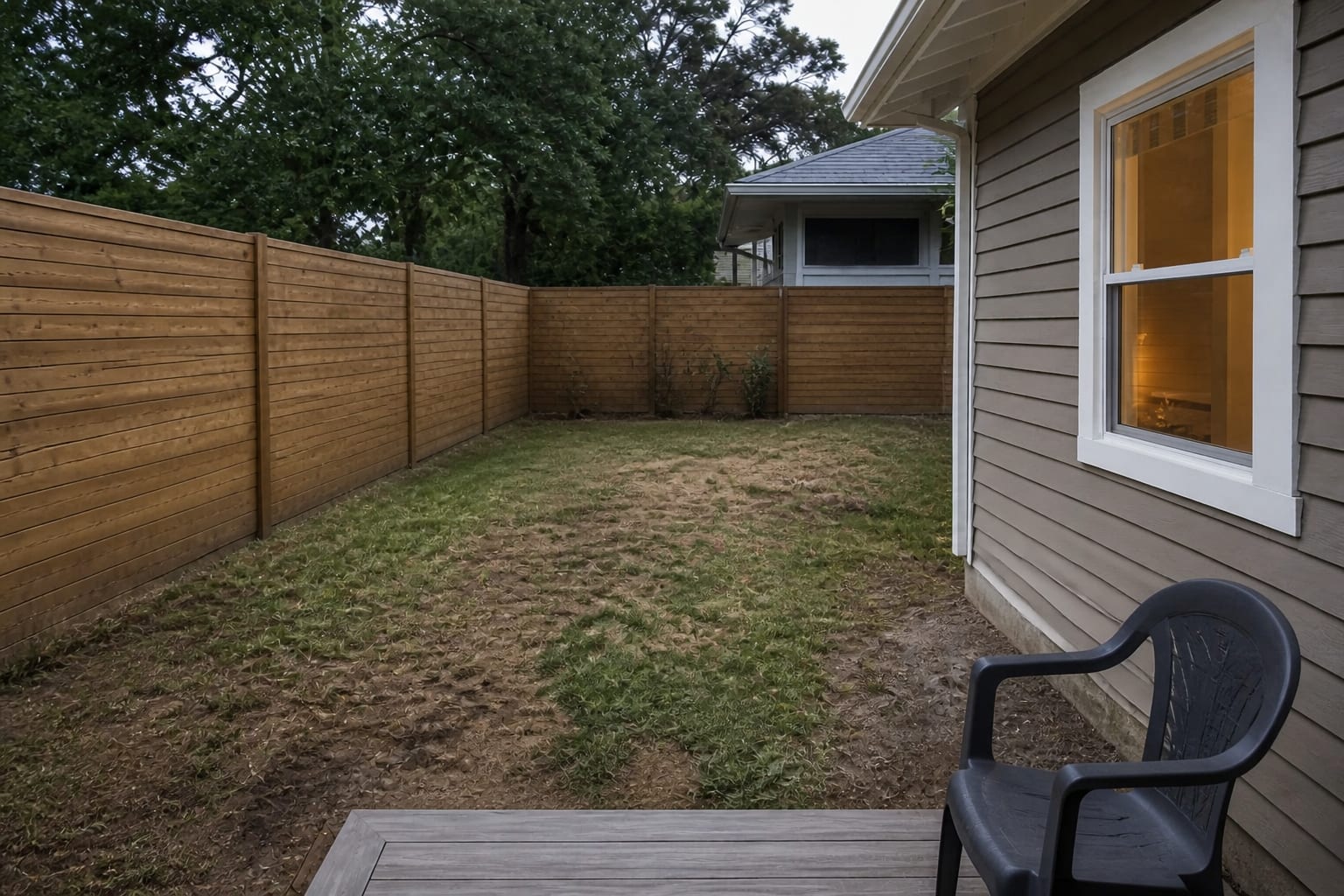
A tropical garden works in any climate by layering oversized leaves, filtered shade, moisture-loving plants, and warm hardscape rather than chasing palm-tree fantasy. Match plant hardiness to your actual zone, protect a walking path through dense foliage, and use containers for tender exotics so the look survives winter instead of dying in the first cold snap.
What makes a garden feel tropical without faking a jungle?
A tropical garden feels convincing when planting has big leaf contrast, close spacing, overhead shelter, and a clear route through it. Start with foliage before flowers: one paddle-shaped leaf, one ferny texture, one glossy evergreen, and one vertical accent read more tropical than ten unrelated blooms. Keep the main path 30-36 inches wide; anything under 24 inches becomes a squeeze once cannas, gingers, or hardy bananas hit summer size.
- Protect a 30-36 inch route through the garden before choosing furniture, planting, or lighting.
- Repeat one visual cue three times, such as a metal finish, planter shape, or trim color, to tie the scene together.
- Solve the layout problem first; accessories should support the plan, not cover for weak planning.
Shade is a design material here, too. A pergola, sail shade, or tall fence cools the space and shelters large leaves from scorching in hot climates. If your yard is dry and exposed, borrow the disciplined spacing from succulent garden ideas for architectural planting and pair drought-tough structure with a few lush focal plants in irrigated containers.
Which tropical garden ideas actually work in real climates?
Reliable tropical landscape ideas separate mood from plant hardiness. You can build heat, shelter, and drama in Minnesota, Manchester, or Melbourne, but the plant list and winter plan must change.
- Plant a hardy backbone first. Fatsia, aucuba, mahonia, or clumping bamboo hold structure when cannas and dahlias go dormant; space medium shrubs 3-5 feet apart.
- Treat tender exotics as seasonal container performers. A 16-24 inch pot gives colocasia, canna, or dwarf banana root room for summer impact and moves under cover before frost.
- Use dark paving or warm gravel with restraint. Charcoal porcelain or lava rock sharpens green foliage, but mid-tone gravel or clay pavers often keep small yards feeling friendlier.
- Add a narrow water feature you can see from seating. A rill, bowl fountain, or stock-tank pond 18-30 inches wide adds movement without dominating; more ideas live in water feature ideas for small outdoor spaces.
- Build canopy with climbers instead of only palms. Passionflower, grapevine, jasmine, or hyacinth bean cover an overhead frame in one season; keep the structure at least 7 feet high over paths.
- Mix edible tropical cues into sunny pockets. Lemongrass, basil, chile peppers, and pineapple sage add scent near dining areas; see herb garden ideas for patios and yards for layout tips.
Test this on your own photo with ReDesign before choosing a final direction; keep the house edge, horizon, hardscape, beds, and main path visible so the preview solves the space you actually have.
How do you choose plants for heat, cold, and containers?
Match leaf size, winter survival, and water demand before falling for a nursery tag. Hardy banana roots may return after cold-region frost, but top growth collapses, so design the border so an evergreen still carries the view. Cannas, dahlias, colocasia, and brugmansia can be lifted or overwintered in pots if you have dry storage and patience to label them.
| Situation | Recommended plants | Care notes |
|---|---|---|
| Cold-winter borders | Hardy banana, canna, dahlia, colocasia, brugmansia | Mulch crowns 12in deep or lift rhizomes and store dry at 45-55°F |
| Hot, dry climates | Bird of paradise, agave, yucca, phormium, canna, bougainvillea | Keep within reach of drip irrigation; mulch surrounding soil with gravel |
| Containers (renters) | Tall statement plant plus trailing edges | Group 3, 5, or 7 pots; raise on feet so drainage holes stay open |
For containers, use one 24 inch statement pot, two 16-18 inch support pots, and several 10-12 inch herb or annual pots, with the tallest plant at the back.
Common tropical garden mistakes
- Only buying dramatic leaves. A border of all bananas, cannas, and elephant ears looks theatrical in July and empty in winter; pair stars with evergreen shrubs, ferns, or grasses that hold the bones.
- Ignoring mature width. A young fatsia can need 5-8 feet of space, and bamboo can spread without a clumping variety or root barrier; leave an 18 inch maintenance gap behind large shrubs.
- Watering leaves instead of roots. Overhead spray wastes water and leaves potting mix dry under dense canopy; use drip irrigation or slow hand-watering at soil level instead.
- Using every bright color at once. Pick one hot color family, such as coral and orange, and repeat it through flowers, cushions, or glazed pots rather than mixing five unrelated hues.
- Skipping night lighting. Tropical foliage turns into a dark wall after sunset; use warm 2700K fixtures to graze large leaves or trunks rather than scattering solar stakes everywhere.
Use AI design to preview your tropical garden before you plant
The risk in tropical planting is proportion: oversized leaves, dark paving, and dense containers can look magical or cramped depending on the angle. Upload a straight, well-lit photo from the patio or main window, then test versions before buying mature plants and heavy pots. Ask for specifics: a 36 inch gravel path, layered broad-leaf planting, one shaded seating area, and containers that preserve the existing fence.
Use the preview to compare structure, not to pick final horticulture for your climate: gravel versus pavers, one large banana versus three smaller cannas, fountain versus none. If the path feels pinched or seating disappears behind leaves, fix the layout on screen before the weekend nursery run.
Frequently Asked Questions
What plants create a tropical look in a temperate garden?
Hardy banana (Musa basjoo, zone 5 with mulching), canna lilies, colocasia, and hardy phormium give tropical scale without requiring frost protection. Combine them with Miscanthus grass as a backdrop screen for year-round structure.
How do I protect tropical plants from frost?
Mulch Musa basjoo with a 12in straw or leaf blanket over the crown after frost. Lift canna, colocasia, and dahlia rhizomes in zones below 7 and store them in dry peat at 45-55°F over winter.
Do tropical gardens need special soil?
Tropical plants need moisture-retentive but free-draining soil. Amend heavy clay with 4in of compost plus 1in of grit at planting, then top-dress annually with 2in of composted bark to hold moisture without waterlogging.
How do I create a tropical look on a small patio?
Three large containers create a layered display on any paved patio: a 30in pot of canna, a 24in pot of ensete (ornamental banana), and an 18in pot of colocasia. Move them indoors before frost.
What tropical plants work best in a shaded garden?
Colocasia, caladium, and hedychium (ginger lily) all produce tropical scale in partial shade. Pair them with fatsia japonica and large-leaf hosta for a lush, low-light combination.
> Try this: Ready to see this on your own outdoor space? Open ReDesign and run the preview before you buy materials, plant, drill, or move furniture.
Three transformations to try
1. Bold-leaf canna and musa border 2. Colocasia and caladium shaded corner 3. Patio container tropical trio