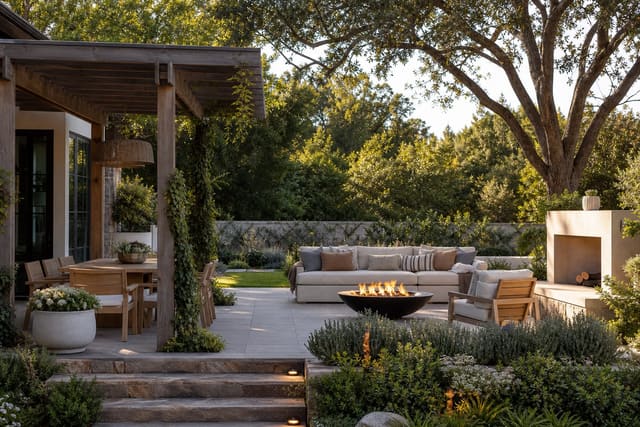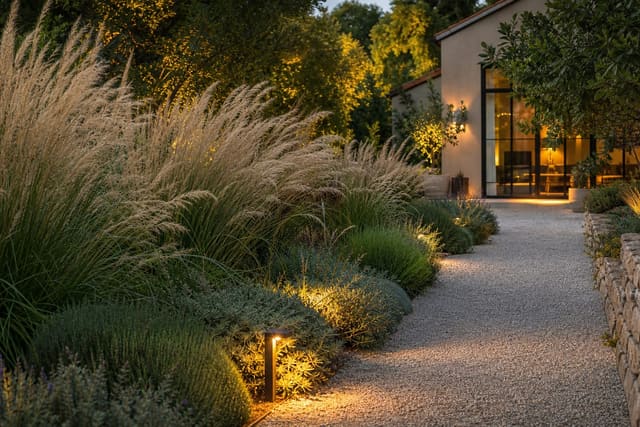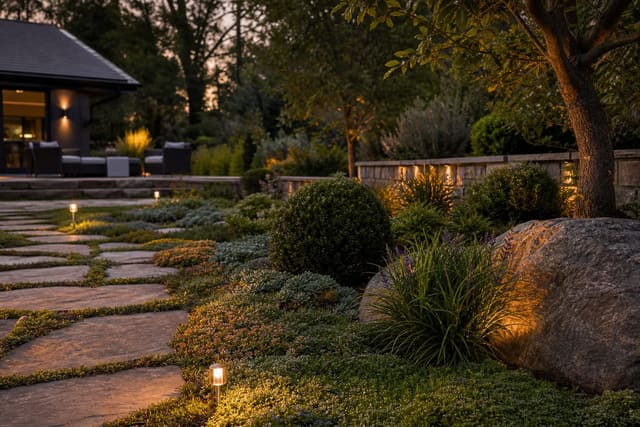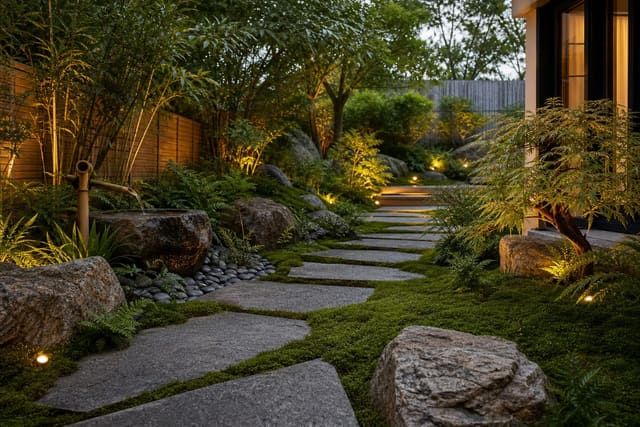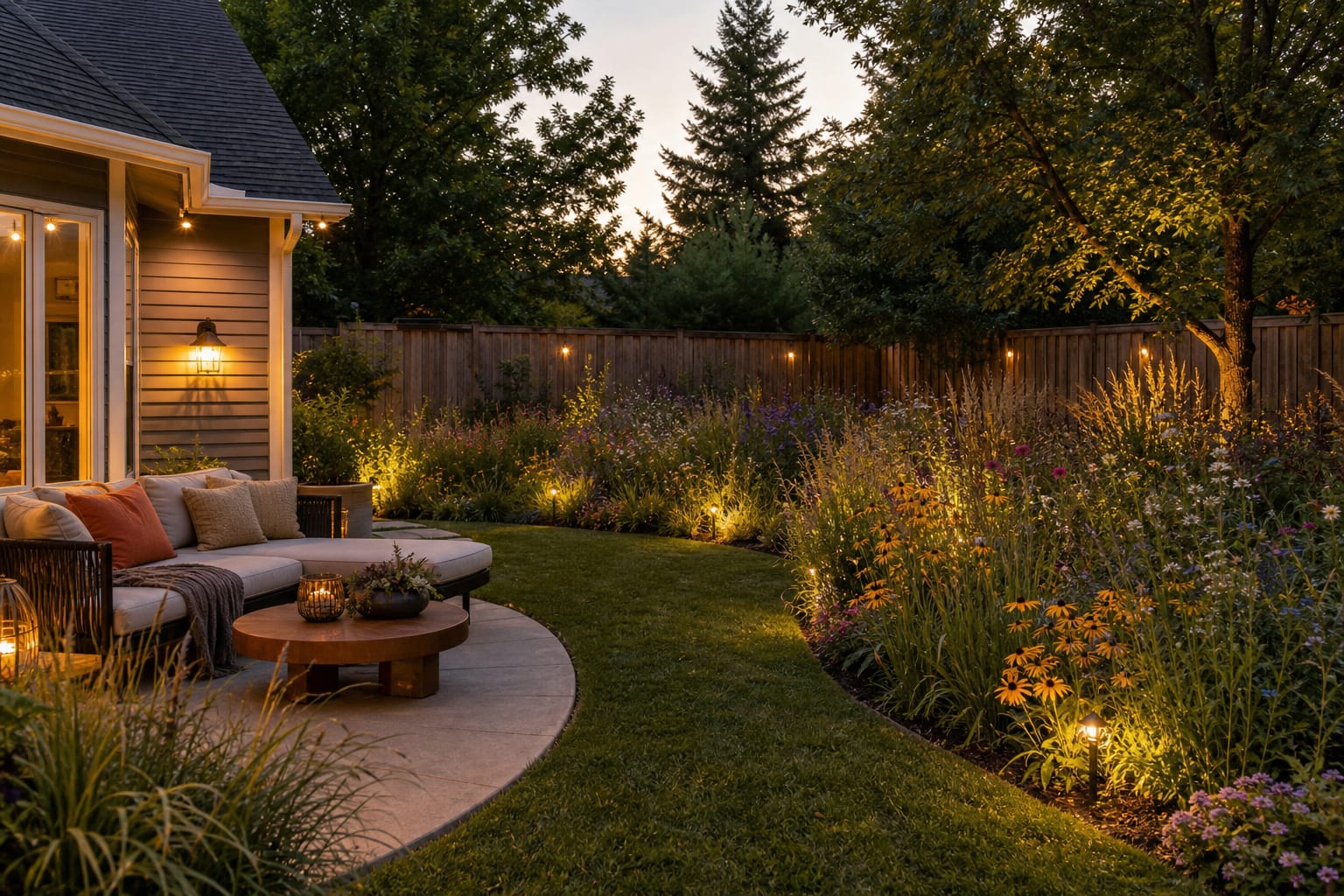
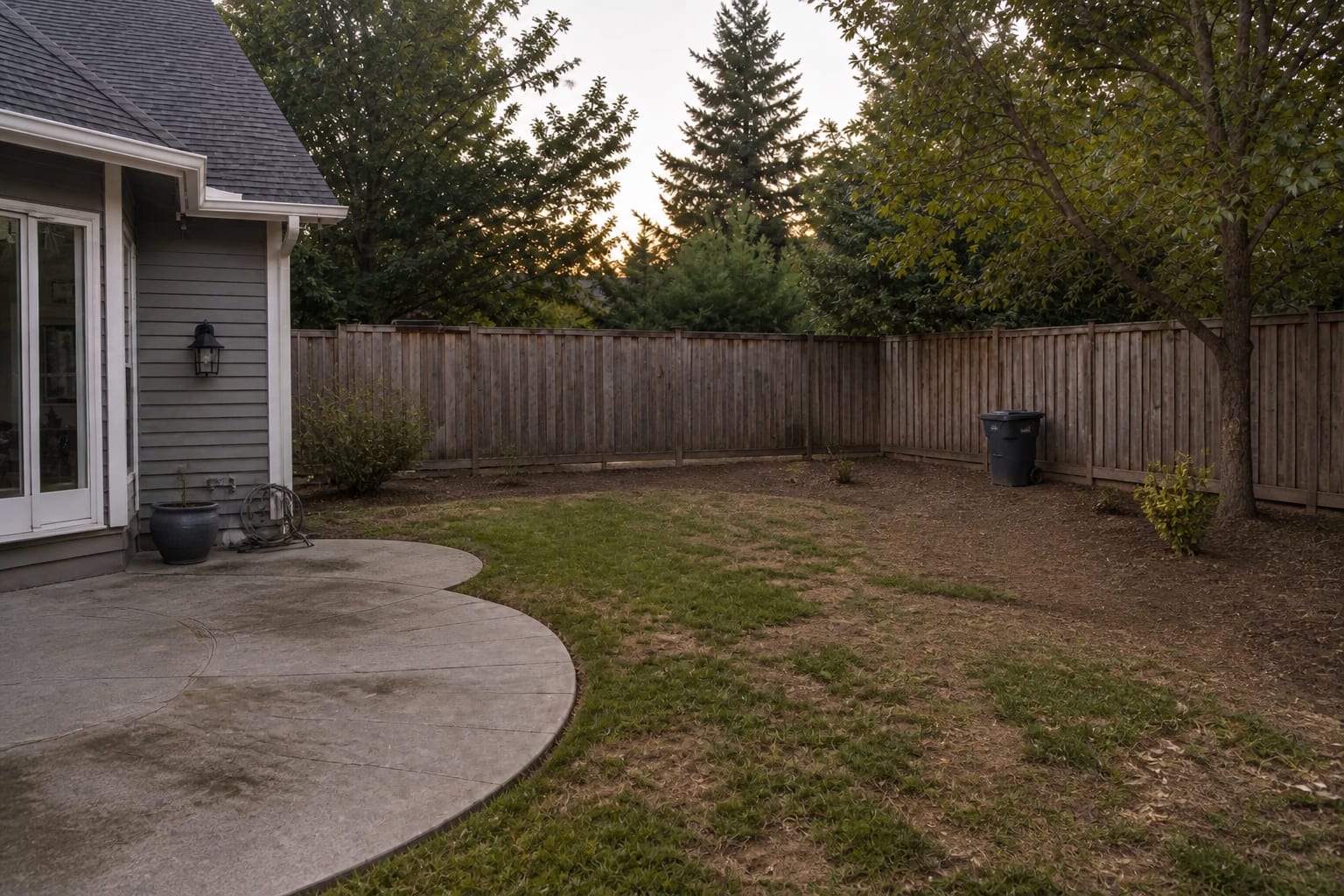
A wildflower meadow reads as design, not weeds, when you remove or smother existing turf, seed a region-native mix onto bare lean soil, mow once a year at season's end, and frame the planting with a mown path or hard edge. Skip the edge and even the right seed mix looks abandoned.
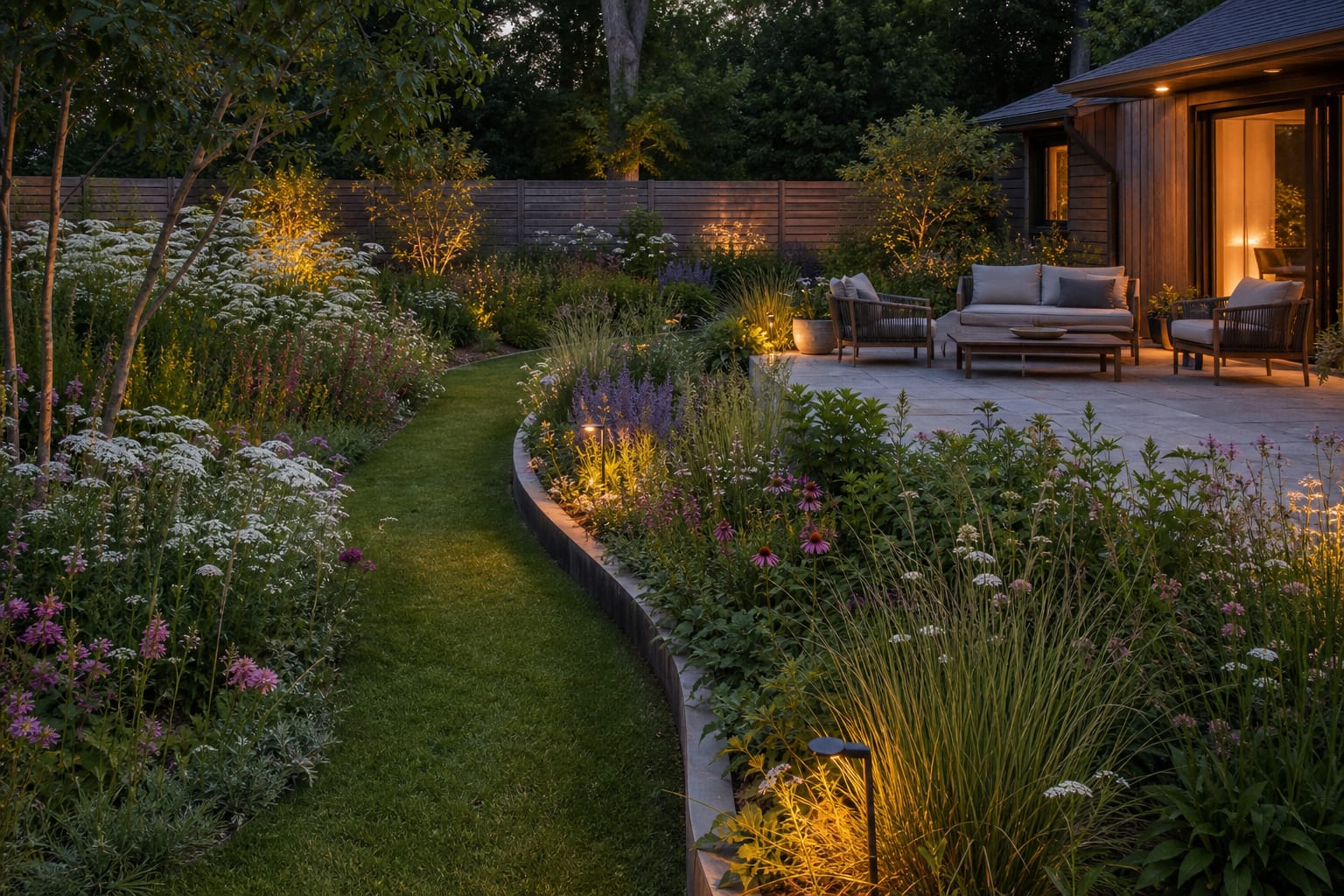
How do I create a wildflower meadow that looks intentional?
Start smaller than you want to: a 10-by-12-foot trial bed is easier to manage than converting a whole lawn at once. Expand by 3 to 6 feet along the same curve once the first season succeeds.
Pick a site with at least 6 hours of direct sun; light shade works only with a shade-tolerant mix. Skip rich compost, since wildflowers often lose to lush grass in fertile soil. Strip the turf, solarize it under clear plastic for 6 to 8 weeks, or repeatedly scalp and rake until soil is bare.
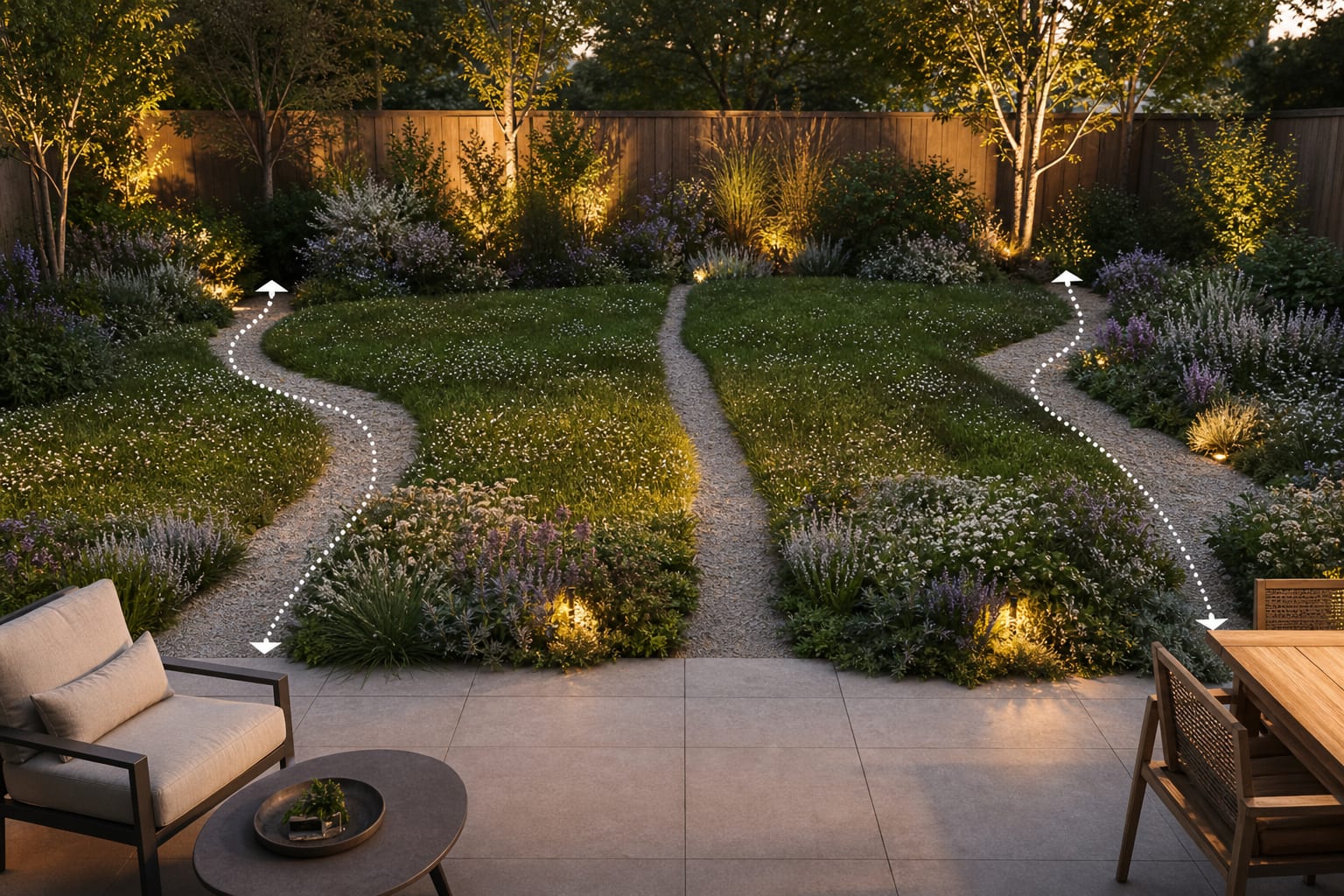
Build in a maintenance line from the start: a mown 24-inch strip around the bed, a 3-foot path through larger areas, or a border of gravel, brick, steel edging, or a low hedge. A living hedge framing the meadow makes loose flowers feel deliberate rather than random.
The decision that makes meadow planting look designed
The key choice isn't flower color, it's how the meadow relates to lawn, path, and house. A meadow beside a formal patio needs a cleaner edge than one at the back of a deep garden; keep taller plants 18 to 24 inches back from paving.
Layer by height: low species and fine grasses at the front, mid-height flowers through the middle, tallest stems toward fences. In a small yard, a finished height of 18 to 30 inches lives better than a 5-foot prairie mix, which can swallow a narrow side yard.
Shape drives upkeep too. One smooth outer curve mows easier than a scalloped edge with several pockets. Size any path for your mower deck plus a few inches; 36 inches suits one person, 48 inches works for two or a wheelbarrow. In front yards, borrow one formal cue from the house, such as a straight gravel walk or a clipped boxwood line, so loose flowers read as intentional against a disciplined frame.
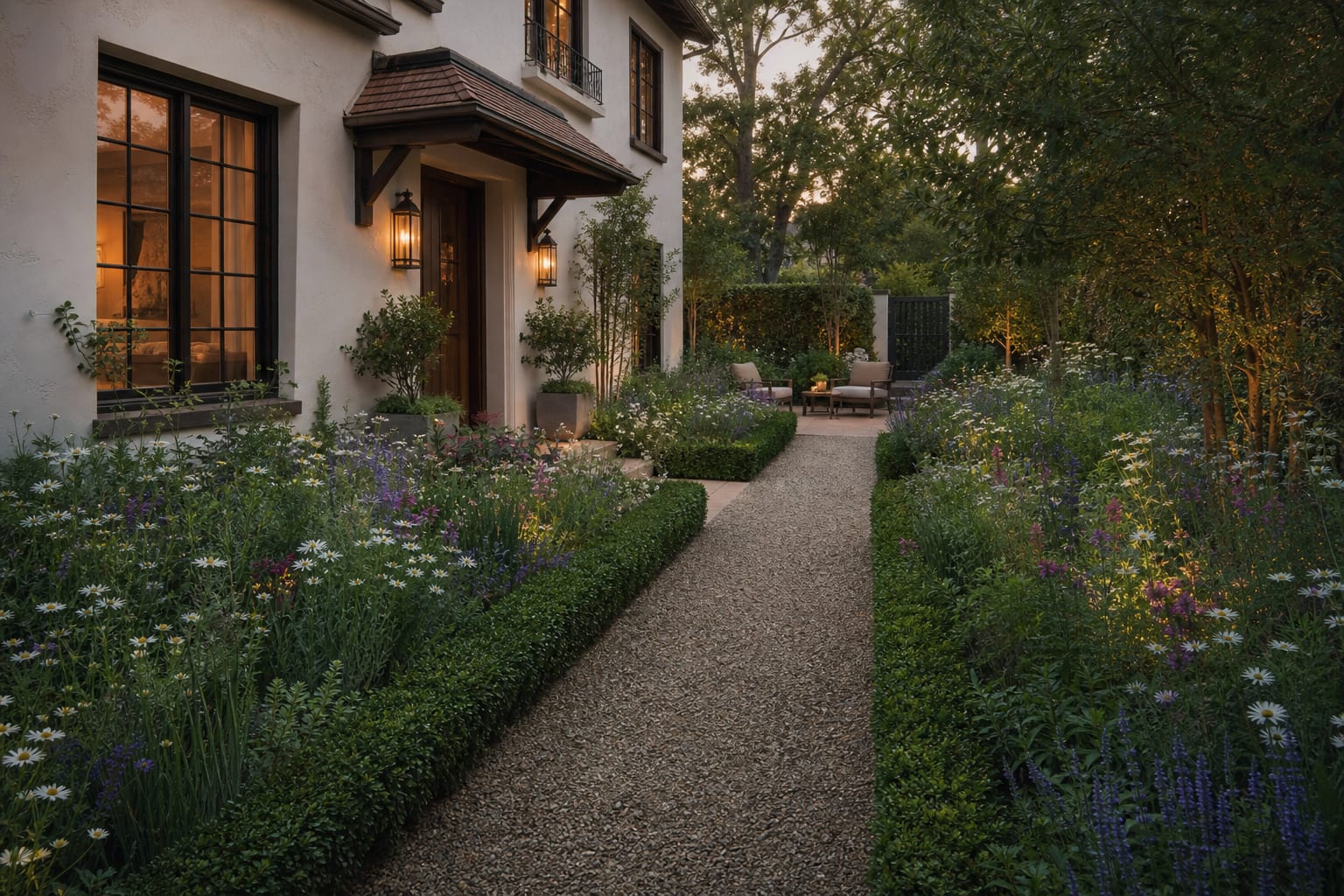
Test this on your own yard photo with ReDesign before committing to a shape, keeping the house edge, horizon line, hardscape, beds, and main path visible.
How do you choose a wildflower seed mix?
Match the mix to region, sunlight, soil moisture, and desired height before looking at bloom photos. Read the actual seed list: a good naturalistic mix balances fast-blooming annuals, returning perennials, and fine grasses that hold the planting together in rain.
- Small urban yard: stay in the 12-inch to 30-inch range and repeat one edge material so the meadow doesn't compete with fences and parked cars.
- Family lawn conversion: keep a durable 10-by-15-foot grass patch open for kids or dogs; a meadow isn't a play surface.
- Sloped bank: add a path or 16-inch stepping stones before sowing so weeding doesn't turn into a crushed-flower trail.
- Damp corner: choose moisture-tolerant species rather than forcing a dry-prairie look onto wet soil.
Sow thinly, since overcrowding weakens seedlings. Mix fine seed with dry sand for even hand broadcasting, sow in two passes at right angles, then press it in with a roller or the back of a rake. Most wildflower seed needs light or near-surface contact, so don't bury it.
Under dense trees, compare a meadow with low ground cover alternatives, which usually perform better in deep shade than a flopping, disappointed flower mix.
Shorthand for the whole plan: depth before decoration, repetition before variety, maintenance before novelty.
Common wildflower meadow mistakes
- Sowing into existing lawn. Grass already wins that fight; remove or smother turf first so seed touches bare soil.
- Using a tall rural mix in a small suburban yard. Reserve 36-inch-plus plants for back fences or deep gardens, and keep lower mixes near windows and paths.
- Skipping the first-year mow. Cut to 2 to 4 inches when weeds get ahead, and remove the clippings so they don't feed the soil.
- Expecting zero maintenance. Pull perennial weeds early and remove clippings; the goal is lower input than a fussy border, not none.
- Letting the meadow crowd every boundary. Keep a clear strip along fences, patios, and gates for bins, bikes, and furniture access.
A meadow paired with shrubs and fences can help with privacy, but flowers alone won't block road noise. For that, combine it with the denser moves in a sound-buffering garden design.
Use AI design to preview your meadow edge before you sow
The useful move isn't asking AI for a fantasy field, it's comparing realistic outlines on your own camera angle. Upload a straight-on photo from the patio door, gate, or upstairs window, then test a crescent meadow, a perimeter meadow, and a central island with mown paths.
Ask for specific constraints: keep the patio clear by 24 inches, show a 36-inch grass path, keep flowers below the window trim, and add a gravel or mown edge. If a version blocks the hose route or chops up the lawn, you'll catch it before seed and labor are spent.
Renters can preview removable cues like pots at the meadow edge or a temporary mown outline; owners can test permanent moves like steel edging, hedging, or a seating pad tucked into the planting.
Frequently Asked Questions
How do I start a wildflower meadow from lawn?
Kill the existing lawn with a sheet-mulch smother or sod cut, rake to bare soil, sow a region-specific native mix, and roll the seed in for soil contact. Never overseed living turf; the grass will outcompete the flowers.
When is the best time to seed a meadow?
Late fall after the killing frost works for cold-stratifying species, or early spring once soil holds above 45 degF. Avoid seeding in midsummer, when heat and drought stress seedlings.
How often do I mow a meadow?
Once a year, in late winter or very early spring, set high at 4 to 6 inches, with cuttings raked off so they don't smother new regrowth.
Will a wildflower meadow look messy to neighbors?
Frame it intentionally. A 3- to 4-foot mown path through the meadow and a clean mow strip along the front edge signal design intent and head off most complaints.
How small can a wildflower meadow be?
A 10-by-15-foot patch reads as a meadow if it sits inside a defined frame. Smaller than that without an edge usually reads as a neglected bed instead.
> Try this: Ready to see this on your own outdoor space? Open ReDesign and run the preview before you buy materials, plant, drill, or move furniture.
Three transformations to try
1. Front-yard meadow with mown frame 2. Backyard meadow with stone path 3. Meadow strip along driveway